
Before Robert Redford became a celebrated Hollywood icon, his journey began far from the glitz of the silver screen. His early years, characterized by travel, hardship, and a pursuit of artistic dreams, reveal a surprising path that shaped his later success. Exploring Robert Redford career beginnings shows how his resilience and passion forged the foundation for a legendary career.
Early Struggles and a Dream Beyond Acting
Long before the fame and accolades, Robert Redford was a young man living hand to mouth, traveling across Europe with little money and big aspirations. In a 2016 interview, Redford recalled hitchhiking through the continent and attending various art schools, driven initially by a desire to pursue visual arts rather than acting. At just 18 or 19 years old, he was transitioning from Paris toward Florence, seeking better opportunities in artistic education.
Redford recounted,
“I was 18 or 19, and I was in Europe, living hand to mouth, staying in youth hostels, and hitchhiking from here to there,”
and added,
“I was leaving Paris. I was on my way to Florence, Italy, to go to a different art school.”
This early chapter highlights a creative spirit in search of a direction, far removed from the Hollywood spotlight that would later define him.
Sleeping Rough on the French Riviera
While the warmer climate of the French Riviera offered some relief from the harsh European winters, comfort was still out of reach for the young wanderer. Finding himself in Cannes, Redford was surrounded by luxury but without means to afford accommodations. Instead, he made the daring choice to sleep under a pier along the shoreline, juxtaposed against the lavish lifestyle represented by the nearby Hotel Carlton.
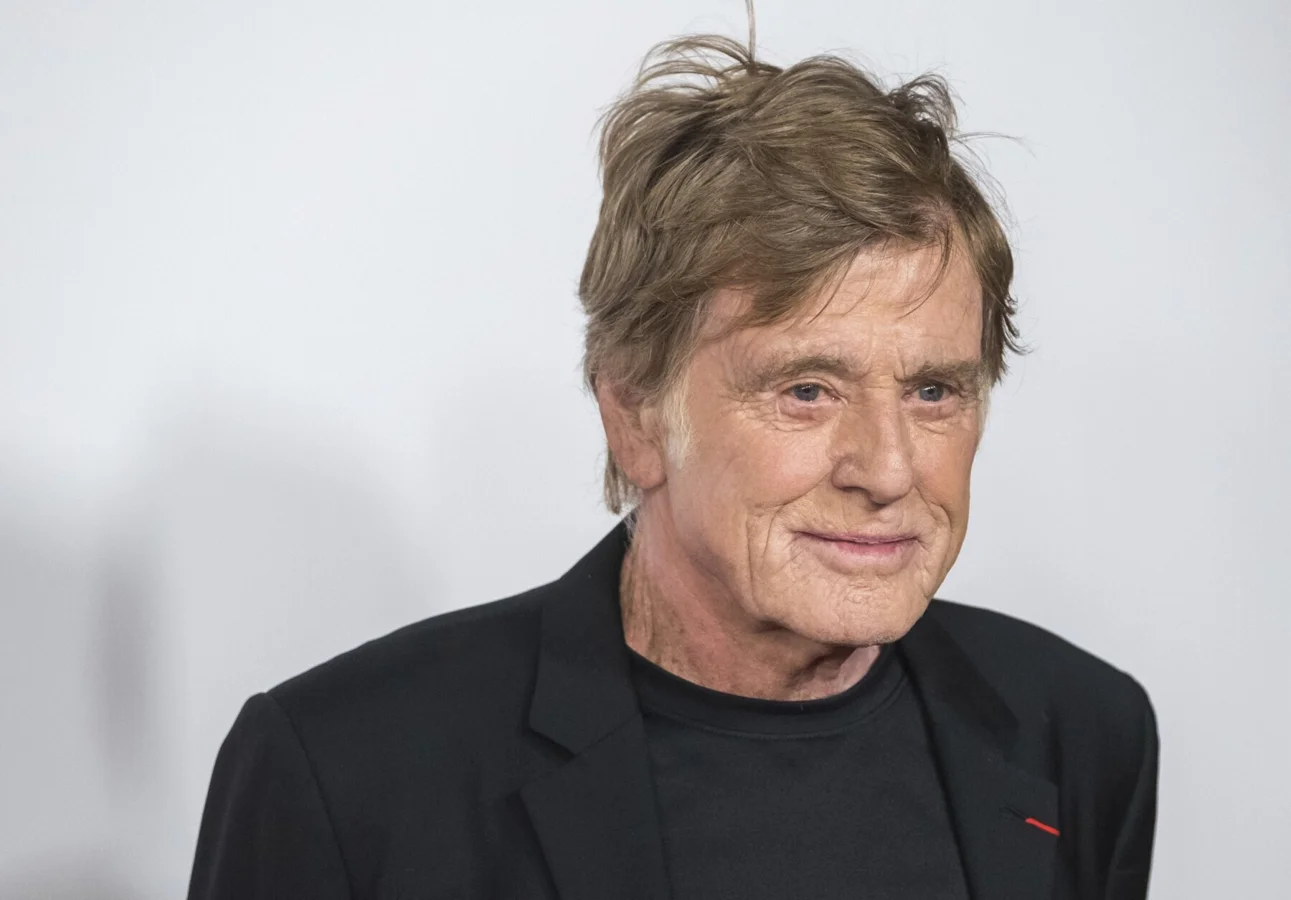
From his sleeping spot on the beach, Redford imagined what life inside the elegant Carlton might be like, dreaming of a future vastly different from his current circumstances. This contrast between poverty and glamour marked a pivotal moment in his journey—one where determination quietly began to plant the seeds of future success.
Return to Cannes as a Celebrated Star
Years later, after earning acclaim for his role in Jeremiah Johnson, Redford returned to Cannes transformed—not as a struggling artist but as a renowned actor. This time, he stayed in the very hotel he had once admired from afar. Standing on the Carlton’s balcony, looking out over throngs of fans and press, he reflected on his past hardships and whispered, “Jesus,” recognizing the vast distance he had traveled.
The Crucial Role of Paul Newman in Redford’s Rise
Redford’s ascent might never have occurred without the generosity of Paul Newman, a fellow actor and crucial mentor. In a 2017 interview with Esquire, Redford credited Newman with taking a chance on him during the casting of Butch Cassidy and the Sundance Kid, when studios preferred bigger stars like Steve McQueen or Marlon Brando. Despite being relatively unknown, Redford earned Newman’s support thanks to encouragement from director George Roy Hill and screenwriter William Goldman.
Redford explained,
“He agreed to have me in the movie [Butch Cassidy and the Sundance Kid] that I shouldn’t have been in. He was that generous. The studio wanted Steve McQueen, they wanted Marlon Brando, they wanted big-name people. And I was not that.”
After spending time with Newman, Redford realized the older actor’s genuine integrity and kindness, recalling,
“He stood up for me. They didn’t pay me anything. […] But that generosity really struck me hard, that he could be that generous and have that kind of integrity.”
This act of faith sparked a lasting friendship and a turning point in Redford’s career.
A Lifelong Friendship Beyond the Screen
When Paul Newman died in 2008, Redford spoke openly about their deep friendship, which extended well beyond their cinematic collaborations. Their initial partnership on the big screen naturally grew into a bond rooted in shared values and mutual respect. Redford fondly described how their connection evolved from working together on The Sting to living in close proximity, strengthening their relationship.
He shared,
“So the partnership in the movie that started cinematically then became — it just sort of went into life in a very natural way. So we became friends, then we did the other film, ‘Sting,’”
and added,
“[…] By that time, we had developed a friendship that then grew beyond that. So over time, because I lived in Connecticut for a while, about a mile from him, we got even closer then.”
This friendship greatly influenced Redford personally and professionally, illustrating how authentic connections helped shape his path in Hollywood.
Preserving an Artistic Heart Amid Fame
Despite rising to immense fame, Robert Redford never left his love for art behind. His marriage to Sibylle Szaggars, a skilled visual artist and activist, kept him tethered to creative pursuits beyond film. Redford supported Szaggars’ artistic work, even participating in projects such as narrating The Way of the Rain – Hope for Earth, a multimedia production that combined painting, poetry, music, and light to powerful effect.
Remembering a Cinematic Legend
Robert Redford passed away on September 16, 2025, at age 89, ending a remarkable era for American film. His death, announced by Cindi Berger, chief executive of Rogers & Cowen PMK, marked the conclusion of a career that spanned decades and influenced all levels of cinema, from mainstream blockbusters to independent films. The actor reportedly died peacefully in his sleep, with details surrounding the cause not yet public.
Redford’s Transformative Impact on Film
Robert Redford was more than an actor; he was a cultural pioneer who redefined the possibilities of American cinema. His portrayal of the charming outlaw in Butch Cassidy and the Sundance Kid and compelling performances in films like All the President’s Men captured audiences and critics alike. His body of work also includes notable titles such as Three Days of the Condor, The Sting, Barefoot in the Park, The Way We Were, and Out of Africa, starring alongside Meryl Streep.
A Visionary Director Who Challenged Norms
In his 40s, Redford expanded his influence behind the camera, directing films that combined artistic integrity with commercial appeal. His 1980 debut, Ordinary People, won three Academy Awards, including Best Picture, establishing his reputation as a filmmaker with emotional depth. Subsequent projects like The Milagro Beanfield War, A River Runs Through It, and Quiz Show demonstrated his continual commitment to meaningful storytelling, with the latter earning four Oscar nominations.
Continuing Influence in Later Years
Redford made a subtle return to acting in his final years with a cameo on the television series Dark Winds, where he appeared alongside author George RR Martin as two prisoners playing chess. Beyond acting, he also took on a production role, serving as executive producer for 20 episodes of the show, reflecting his ongoing dedication to nurturing new talent and projects.
Creating Opportunities Through Sundance
Beyond his on-screen and directorial achievements, Redford’s most enduring legacy may be his role as a mentor and advocate for independent cinema. In 1981, he founded the Sundance Institute, an organization devoted to supporting emerging filmmakers and fresh storytelling. Transforming a struggling Utah film festival into the Sundance Film Festival, Redford created one of the world’s most prestigious venues for discovering innovative cinema, a platform still influential today.
