
In a 2024 interview, Christopher Nolan named Cillian Murphy, Robert Downey Jr., and Al Pacino as the three greatest actors he has worked with, highlighting their exceptional performances in his films. This surprising lineup naturally drew attention not only for who was included but for who was missing: Michael Caine, one of Nolan’s most frequent collaborators. The absence of Caine, despite his pivotal role in Nolan’s films, raises questions about the director’s choices and the place of Caine’s contributions within Nolan’s cinematic universe.
The Enduring Influence of Michael Caine in Christopher Nolan’s Films
Michael Caine humorously refers to himself as Nolan’s “lucky charm,” a fitting description given his consistent presence in eight consecutive Nolan projects starting with Batman Begins. As Alfred Pennyworth in The Dark Knight trilogy, Caine grounded the story with warmth and moral clarity. In Inception, he served as a wise mentor to Leonardo DiCaprio’s Cobb, while in Interstellar, he played a commanding figure embodying both science and familial bonds. Caine’s ability to provide emotional depth and accessibility within Nolan’s intricate narratives has made his participation almost synonymous with the director’s style.
When Michael Caine retired and was absent from Oppenheimer, Nolan openly admitted that the void was significant. The director was compelled to assemble an extraordinary cast to compensate for the lack of his usual on-screen anchor. This underscores the centrality of Caine’s presence in Nolan’s work. Beyond Nolan’s films, Caine’s career is a testament to his versatility and longevity, spanning seven decades and six Academy Award nominations, with wins for Hannah and Her Sisters and The Cider House Rules. His embodiment of Ebenezer Scrooge in The Muppet Christmas Carol remains iconic, further cementing his legacy in popular culture.
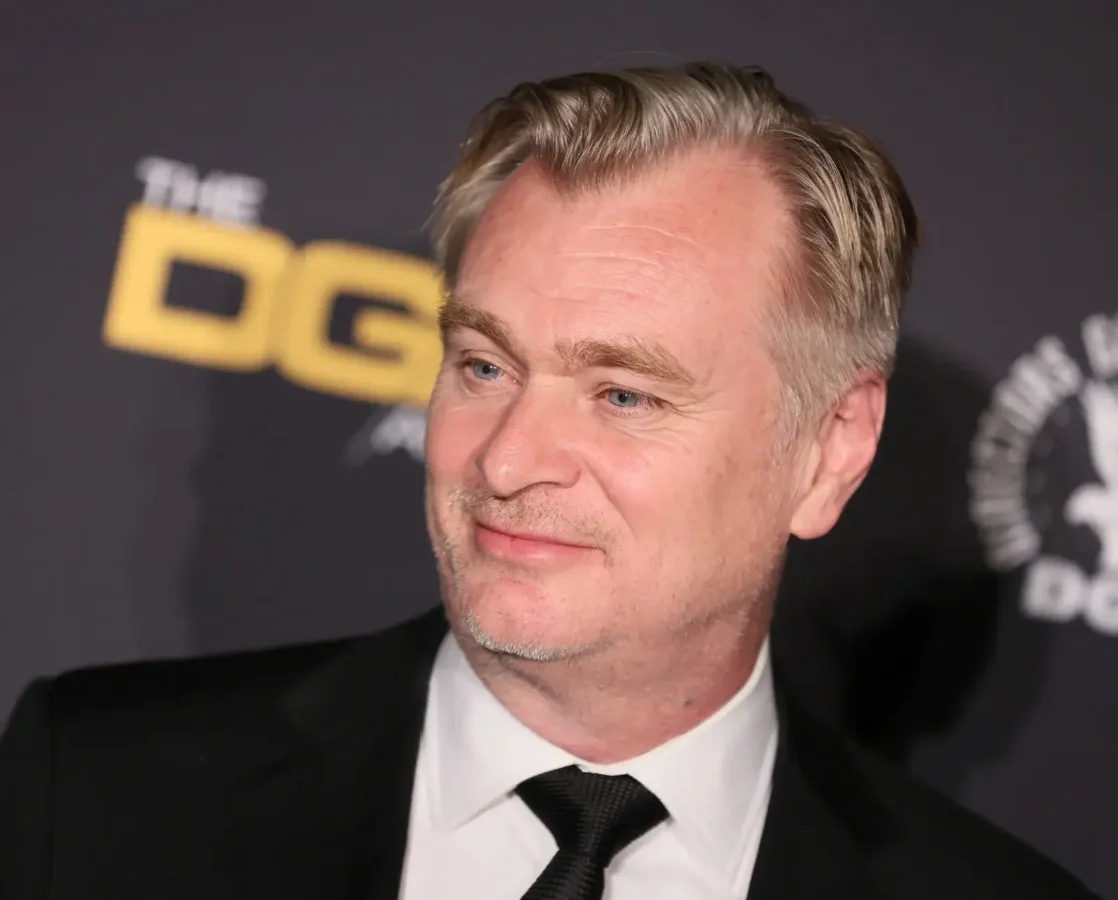
Caine’s relevance across eras is remarkable. He emerged as a British working-class breakout star in the 1960s with films like Alfie and The Italian Job, then evolved into a highly respected character actor in subsequent decades. His distinctive voice and presence have become synonymous with wisdom and charm, capturing audiences’ attention instantly. His role goes far beyond being Nolan’s talisman; it is that of a true cinematic legend.
Understanding the Impact of Nolan’s Exclusion of Michael Caine
Why, then, might Nolan have omitted Michael Caine from his list of top actors? One perspective is that Caine’s steady and reliable performances have blended so seamlessly into Nolan’s films that they are often taken for granted. While Murphy, Downey, and Pacino delivered standout, show-stealing roles—Murphy’s gripping portrayal in Oppenheimer, Downey’s compelling Lewis Strauss, and Pacino’s commanding presence in Insomnia—Caine’s roles were crafted to support rather than overshadow. By design, he creates space for other actors to shine.
Yet Nolan’s strongest films, despite their visual innovation and narrative complexity, depend heavily on emotional grounding. The complex timelines, tension-building techniques, and breathtaking practical effects mean little without characters that audiences can connect with. Michael Caine often serves as the emotional core that humanizes these elaborate stories. To exclude him is to miss the actor who consistently anchors Nolan’s films, preventing them from feeling cold or mechanical.
Caine frequently portrays mentor, father figure, or conscience in Nolan’s films. Alfred, as Bruce Wayne’s butler and surrogate father, conveys a steady voice of reason and compassion throughout the Dark Knight trilogy, reminding viewers of the personal cost behind Batman’s mission. In The Prestige, his character Cutter embodies caution about obsession and sacrifice, highlighting the film’s moral tensions. In Inception, Caine’s role as Cobb’s father-in-law, though brief, injects emotional resonance and hints at deeper layers in the story’s conclusion. These characters are integral; they serve as the emotional levers Nolan relies on to elevate his complex narratives. Despite not dominating the screen, Caine delivers essential performances that hold the films together.
The Lasting Partnership Between Christopher Nolan and Michael Caine
The collaboration between Nolan and Caine exemplifies how directors and actors can mutually enhance their work. Just as Martin Scorsese repeatedly worked with Robert De Niro and later Leonardo DiCaprio, and Akira Kurosawa forged a legendary partnership with Toshiro Mifune, Nolan and Michael Caine’s nearly two-decade relationship has shaped some of the most ambitious blockbusters of recent times. This enduring partnership underscores the significance of Caine’s omission from Nolan’s top actors list, which feels incomplete without him.
Christopher Nolan’s recognition of Murphy, Downey, and Pacino as among the best actors working today is understandable given their remarkable performances. However, the exclusion of Michael Caine, an actor integral to more than half of Nolan’s films and regarded as one of cinema’s greats, remains puzzling. His contributions underpin much of Nolan’s storytelling power, and his absence on the list leaves a notable gap in acknowledging the full scope of Nolan’s creative alliances.
