
Robert Redford’s collaboration with director Sydney Pollack reached a creative peak with the 1975 espionage thriller Three Days of the Condor, a film that perfectly captures the tense atmosphere of post-Watergate America. Set in New York City, the movie stars Redford as Joe Turner, a CIA analyst who, after discovering a deadly conspiracy, must stay one step ahead of his pursuers to survive and expose the truth.
This 1975 spy thriller stands out in Robert Redford’s filmography as a defining work that explores themes of paranoia and betrayal, making Robert Redford Three Days Condor an essential watch for thriller enthusiasts and fans of Cold War-era cinema.
The Relentless Suspense of Joe Turner’s Flight for Survival
In Three Days of the Condor, Robert Redford portrays Joe Turner, a CIA researcher working undercover at the American Literary Historical Society in New York City. Turner’s job consists of analyzing books and periodicals for hidden political intelligence, a seemingly innocuous task that unexpectedly places him in grave danger. When a routine report inadvertently uncovers a rogue CIA operation, Turner’s entire office is wiped out by assassins. Having left the building for lunch, he narrowly escapes the massacre carried out by a European CIA assassin named Joubert, played by Max von Sydow.
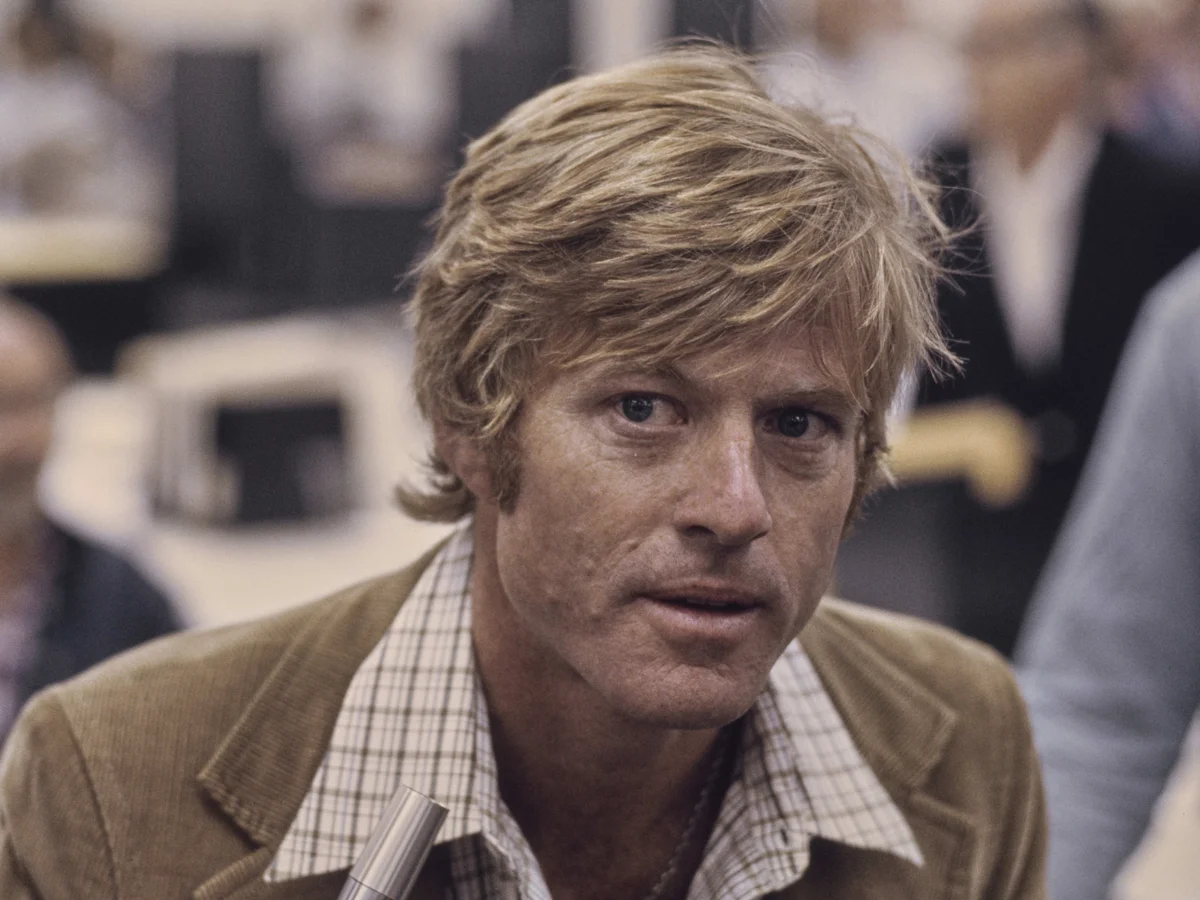
Turner’s initial shock turns into desperate caution as he realizes that no one can be trusted. His contact in the agency turns out to be a trap, putting Turner on a relentless run from hitmen and double agents. The film illustrates the disturbing moral ambiguity at the heart of covert operations, highlighting the perpetrators’ cold calculation that sacrificing innocent lives is justified to achieve higher political goals, including securing access to Middle Eastern oil.
Turner’s predicament becomes even more complicated with his uneasy relationship with Joubert, his former pursuer who ultimately assumes the role of protector and advisor. The film’s tension hinges on this fragile partnership, with Joubert’s insights helping Turner navigate a world where loyalties are unclear and survival depends on constant vigilance.
The Cinematic Parallels Between Three Days of the Condor and 1970s Political Conspiracy Thrillers
The release of Three Days of the Condor coincided with a wider trend of political thrillers that captured the growing distrust in the U.S. government during the 1970s. One notable contemporary was Warren Beatty’s 1974 film The Parallax View, in which Beatty stars as Joseph Frady, a reporter uncovering a sinister conspiracy behind a senator’s assassination. Though Robert Redford and Warren Beatty never shared the screen, both actors pursued politically charged roles and off-screen activism, reflecting the era’s contentious mood.
The Parallax View and Three Days of the Condor arrived amid the Watergate scandal and Nixon’s resignation, feeding public paranoia and skepticism toward authority. Both films end on pessimistic notes where perpetrators avoid justice, emphasizing the chilling notion that powerful forces operate beyond the reach of accountability.
Alongside The Parallax View, Three Days of the Condor continues a legacy of 1970s thrillers, such as Alan J. Pakula’s Klute and Redford’s own 1976 film All the President’s Men, all of which warn audiences to remain cautious of those in power and to question what lies beneath official narratives.
Why Three Days of the Condor Remains a Superior Spy Thriller
Although Three Days of the Condor was well-received both commercially and critically upon release, it was soon overshadowed by All the President’s Men, another Robert Redford film portraying journalists Bob Woodward and Carl Bernstein’s crucial role in exposing the Watergate scandal. Still, the earlier film holds a unique place for its urgent portrayal of individual paranoia and institutional conspiracy.
The plot underscores the power of the media and truth-telling as Joe Turner decides his best chance to survive and reveal the conspiracy is to bring his story to public attention. This is vividly depicted in a powerful scene where Turner, standing near the New York Times building, explains to CIA deputy director Higgins, played by Cliff Robertson, that he has confided in the press. Higgins’s pointed question chillingly undercuts Turner’s hope:
How do you know they’ll print it?
– Higgins, CIA deputy director
This moment captures the film’s anxious spirit, conveying the fragile line between exposure and silence in a world rife with distrust. Three Days of the Condor remains accessible for new audiences through streaming on MGM+, reaffirming its relevance as a tense political thriller and a compelling showcase of Robert Redford’s intense screen presence.
Principal Cast Bringing the Story to Life
Robert Redford leads as Joe Turner, embodying the cautious yet determined CIA analyst caught in a dangerous conspiracy. His performance anchors the film’s tense narrative.
Faye Dunaway stars alongside Redford, providing emotional depth and complicating Turner’s world with her enigmatic presence.
Cliff Robertson portrays Higgins, the CIA deputy director whose ambiguous loyalties add to the film’s atmosphere of uncertainty and suspicion.
Max von Sydow delivers a compelling performance as Joubert, the European assassin whose role shifts from relentless pursuer to uneasy ally, exemplifying the film’s complex portrayal of trust and survival.
