
Christopher Nolan, a prominent director known for pioneering storytelling and blockbuster hits, has been elected President of the Directors Guild of America (DGA), positioning him at the forefront of critical negotiations with studios as the current DGA contract expires next year. His new leadership role coincides with his ongoing work on the highly anticipated 2026 film, The Odyssey, and reflects his increasing influence over Hollywood’s creative and business landscapes.
Nolan’s career spans from innovative original films to a defining superhero trilogy and large-scale cinematic presentations uniquely suited for theaters. The success of his 2023 film Oppenheimer both at the box office and in award circles underscores his standing. His election as DGA President arrives at a pivotal moment when decisions about the future of theatrical releases and digital distribution could reshape the industry’s structure.
Balancing Creative Rights with Protecting Theatrical Releases
The DGA functions as a labor guild that secures and advances the creative, financial, and health-related rights for directors and their teams. With the contract renewal approaching, the guild faces crucial discussions not only about compensation and creative protections but also about emerging issues like artificial intelligence, which Nolan has engaged with as Chair of the Theatrical Creative Rights Committee and the Artificial Intelligence Committee.
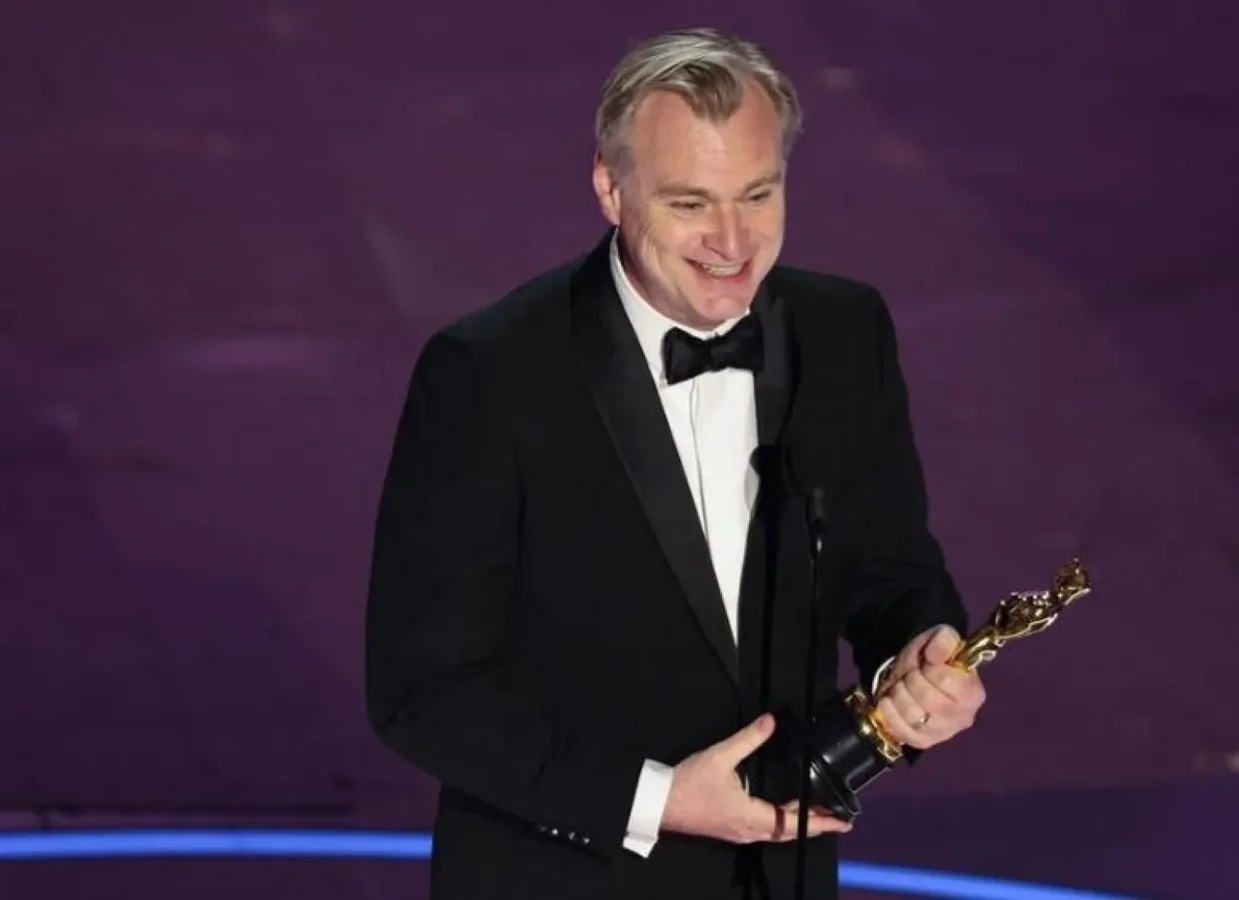
While many concerns compete for attention, Nolan’s presidency is widely expected to focus heavily on preserving the theatrical experience. He has been a vocal advocate of movies being crafted for the big screen, an approach highlighted by the DGA’s announcement, which recognized Nolan as
“celebrated for his use of practical shooting and nonlinear storytelling, and for championing the theatrical experience.”
Nolan has expressed a commitment to
“achieve important creative and economic protections”
during his leadership, signaling that safeguarding theatrical windows and directors’ control over exhibition formats could be central to upcoming negotiations. This issue has intensified following challenges posed by the pandemic and industry labor disputes, with no current agreements preventing studios from abbreviating or eliminating theatrical release windows in favor of streaming.
Championing Theatrical Windows in Negotiations with Studios
Christopher Nolan’s passion for a robust theatrical window is well documented. In 2020, he famously opposed Warner Bros.’ attempt to release Tenet directly to streaming, insisting on a traditional theatrical rollout despite delays and personal financial concessions. The film ultimately grossed $365 million worldwide, but this dispute strained his relationship with the studio.
Seeking more reliable terms for his next project, Nolan found a partner in Universal Pictures, which granted a 90 to 120-day exclusive theatrical window for Oppenheimer. The film remained in theaters for 123 days before becoming available digitally, and then another 210 days elapsed before it appeared on streaming platforms. Given Oppenheimer’s tremendous box office success, it is anticipated that a similar theatrical policy applies to The Odyssey’s distribution.
As major studios increasingly favor shorter theatrical exclusives, Nolan’s authoritative position at the DGA could empower him to negotiate guidelines supporting longer and secure theatrical runs for directors’ works. Although the guild may not guarantee Nolan-style windows for every project, it could establish baseline protections to preserve cinema as an essential venue for film consumption.
Protecting Directors from Abrupt Changes to Release Strategies
Beyond advocating for extended theatrical windows, Nolan’s leadership may also address abrupt decisions by producers or studios to shift films from theaters to streaming platforms without director consent. When Warner Bros. drastically altered its 2021 release schedule, Nolan publicly criticized the move, highlighting its damaging impact on filmmakers and the industry’s infrastructure.
“Some of our industry’s biggest filmmakers and most important movie stars went to bed the night before thinking they were working for the greatest movie studio and woke up to find out they were working for the worst streaming service. Warner Bros. had an incredible machine for getting a filmmaker’s work out everywhere, both in theaters and in the home, and they are dismantling it as we speak. They don’t even understand what they’re losing. Their decision makes no economic sense, and even the most casual Wall Street investor can see the difference between disruption and dysfunction.” – Christopher Nolan, Director
Nolan’s stance reflects deep frustration on behalf of his peers, many of whom were blindsided by such shifts. While his own projects remained unaffected, his advocacy underscores a broader concern over protecting creative control and theatrical viability amid a rapidly changing distribution environment. His presidency now offers a platform to influence policies that could prevent unilateral decisions detrimental to directors’ interests.
Industry Allies Supporting Theatrical Preservation
Christopher Nolan is not alone in emphasizing the importance of theatrical release standards. Sean Baker, director of Anora, has called on fellow filmmakers to insist on 90-day theatrical windows, raising this demand upon accepting the DGA’s Best Picture award. Meanwhile, Quentin Tarantino has criticized current theatrical release models for their “diminishing returns,” speaking candidly about these challenges at Sundance.
Such voices indicate a shared desire among prominent directors to maintain cinema’s traditional prominence, making Nolan’s presidency a potential catalyst for wider industry reform. His firm advocacy and substantial influence could rally peer support to secure agreements that balance theatrical and streaming interests more equitably.
Implications for the Future of Filmmaking and Theaters
Christopher Nolan’s decision to lead the DGA at this critical juncture sends a clear message that the theatrical experience remains a vital concern for filmmakers. His presidency promises to advance protections that could safeguard directors’ rights, extend theatrical windows, and resist the erosion of cinema culture amid the streaming era.
If Nolan can leverage his passion and reputation to achieve meaningful changes with studios, the impact could reverberate beyond his own films, fostering a stronger, more sustainable future for movie theaters and creative professionals alike. The outcomes of his tenure will be closely watched as the industry navigates post-pandemic recovery, evolving technologies, and shifting audience habits, potentially shaping Hollywood’s trajectory for years to come.
