
At the San Sebastián Film Festival, Colin Farrell spoke about his portrayal of Lord Doyle, a gambling addict, in Edward Berger’s thriller Ballad of a Small Player. Farrell explained his approach to the role, sharing insights into how he connected with the character’s internal struggles despite their differences. The film is based on Lawrence Osborne’s novel and follows Lord Doyle as he navigates the high-stakes gambling world of Macau, confronting his troubled past and mounting debts.
Farrell openly addressed his own history with addiction, clarifying that personal experience is not essential to convincingly play an addict.
“It’s pretty well-chronicled now my history with addiction, but I don’t think you have to be an addict to play an addict,”
he said. He described Doyle as
“somebody who doesn’t believe in his own worth, who is very self-centered to the point of being despicable,”
highlighting the complex, flawed nature of the character.
Exploring the Character’s Psyche and Acting Process
Farrell described his acting preparation as involving detailed imagination and obsessive focus on character backstory, fueled by what he referred to as a type of obsessive-compulsive drive beneficial to his craft.
“I still don’t have answers to anything in the script; I just have the experience of being in front of the camera with my fellow actors. As far as preparations go, I suppose I have some form of OCD that is given good life in regard to acting because you get to obsess about the characters and maybe imagine their history, their own personal kind of origin story,”
he explained.
He acknowledged the challenge of portraying Doyle’s conflicted personality, delving into the man’s self-loathing and moral failings, which produce an unsettling but authentic figure on screen.
Immersing in the Gambling Environment of Macau
For realism in playing a gambler, Farrell spent time in Macau’s vast casino environments, observing firsthand the addiction culture without experiencing it himself. Reflecting on that experience, he shared,
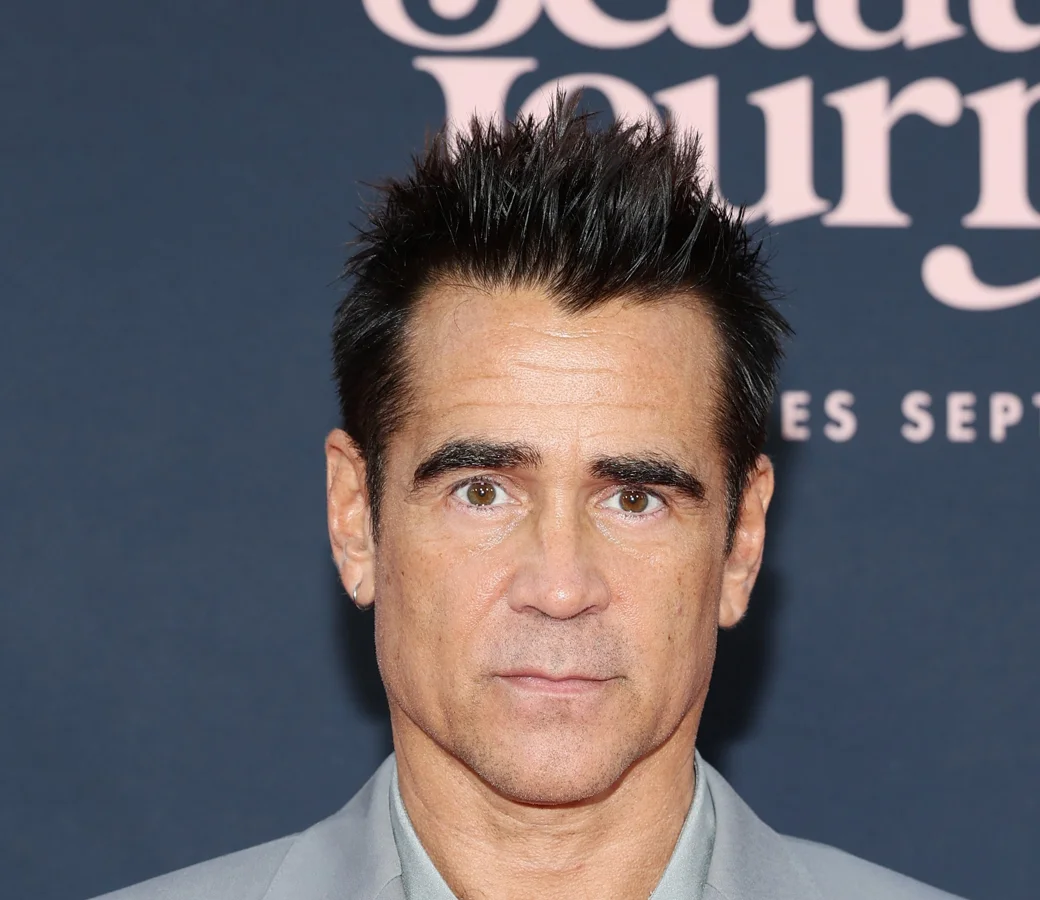
“Gambling is one affliction that never really came near me. I’m glad to say I only damaged my body and my brain, not my bank account.”
His observations included encounters with high-stakes players, revealing the extreme sums wagered in these settings.
Farrell recounted a conversation with a casino floor manager about the house’s earnings.
“One day backstage, one of the floor managers said, ‘We had two players last night and the house did pretty well.’ I said, ‘What’s pretty well to the house?,’ and he said, ‘At the end of four hours of playing, we were up to 24 million [Hong Kong Dollars],’”
Farrell said, illustrating the intense scale of gambling in Macau.
The Illusion of Luck and Material Wealth
Reflecting on the broader themes surrounding gambling and luck, Farrell considered the human desire for fortune and the often misguided belief that material gains bring true happiness. He noted,
“The opportunity is there, that kind of aspiration to have that moment of good fortune and live the life you feel will give you the ultimate joy and the ultimate happiness.”
He contrasted this aspiration with a personal philosophy:
“We all kind of understand at this stage from looking to each other and the world that materials are fine and great — and I say that as someone very fortunate to have experienced a lot of material things in my life — but if you’re looking for contentment, happiness, joy, connection, it’s fool’s gold.”
Challenges of Filming Casino Scenes and Director’s Vision
The repetitive nature of gambling made filming certain scenes tiresome for Farrell. He stated,
“We spent a lot of time on casino floors during the making of this film, and I can’t say it didn’t get tedious at certain times.”
However, he appreciated director Edward Berger’s ability to infuse these moments with cinematic meaning. Farrell praised Berger’s use of visual inserts, describing them as engaging rather than distracting:
“Too many inserts can be didactic and lead my attention somewhere I don’t feel it needs to go towards, but with Edward, the first five minutes of ‘Conclave’ have a completely cinematic language to his use of inserts.”
He added that despite moments of monotony, it was “a joy to be around” Berger during filming and to witness
“the incredible creative language happening at those moments of technical craft.”
Perspectives on Luck Through the Lens of Lord Doyle
Asked about the concept of luck, Farrell commented on its subjective nature and the way his character Doyle obsessively chases an elusive fortune.
“We can never choose how life confronts us. We can choose how to respond to that confrontation,”
he said. He also expressed a grounded view of fate and personal responsibility:
“You just meet life where it meets you, and you do the best you can.”
Farrell contrasted this with Doyle’s moral shortcomings, observing that
“[s]omebody who lives in a 30 thousand square foot mansion in Bel Air could put 20 dollars in a dog race and lose and say, ‘Jesus, I’m really unlucky.’ It’s very subjective, the idea of luck. You do the best you can and try to serve your true self, the people you love, and your community. That is certainly not what Doyle is doing in this film at all. He is serving the lowest ethical, moral aspect of his internal life.”
Release Details for Ballad of a Small Player
Ballad of a Small Player will open in U.S. theaters on October 15, followed by releases in the U.K. and Ireland on October 17. The film is scheduled to debut on Netflix on October 29. This release cycle marks another milestone for Edward Berger, whose previous film, Conclave, also premiered at the Basque festival just a year prior.
