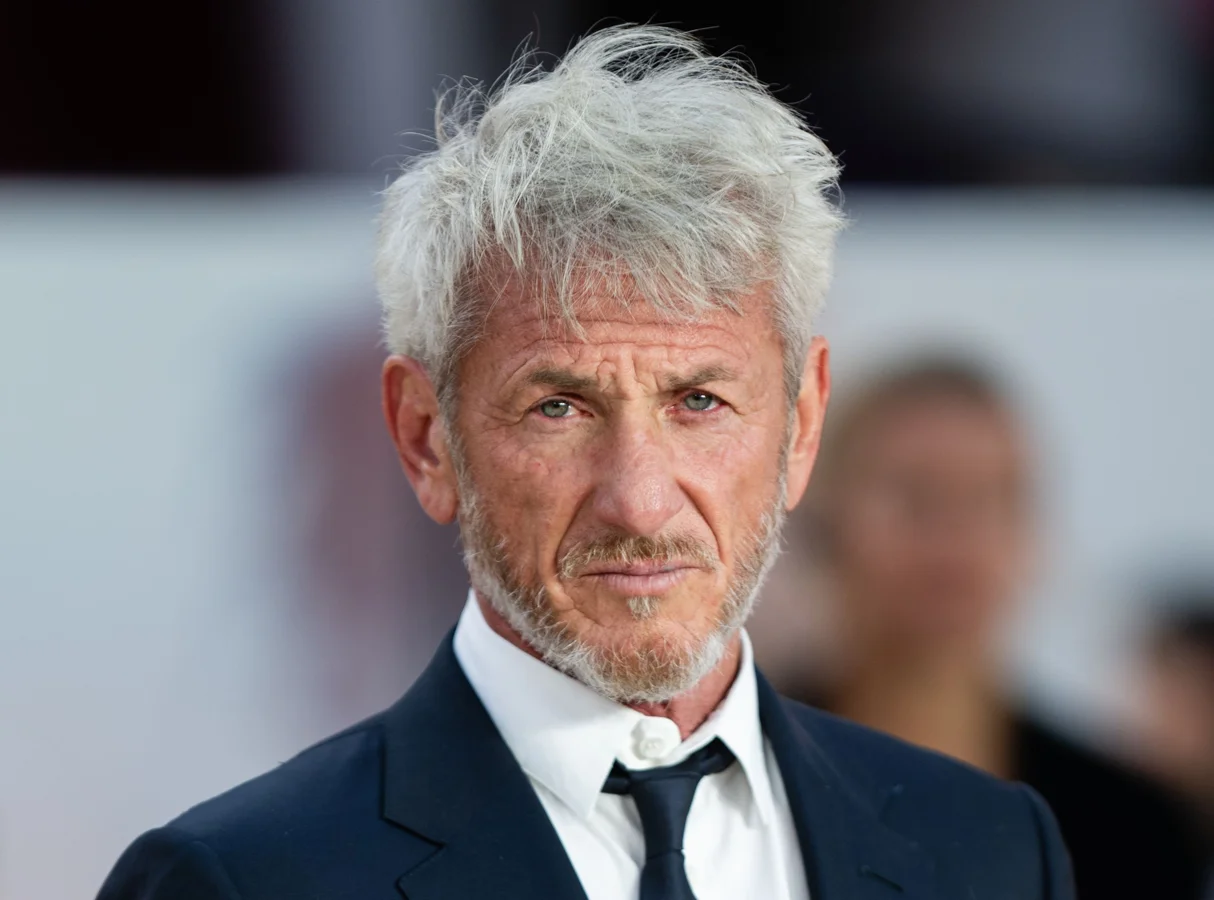
Sean Penn reflects on Charlie Kirk’s assassination and political impact. [Image Source: EURONEWS]
Actor Sean Penn has spoken out about the assassination of conservative political commentator Charlie Kirk, who was fatally shot in Orem, Utah, on September 10. In a recent interview, Penn expressed that we “need” figures like Kirk in politics, emphasizing that the circumstances surrounding Kirk’s death set it apart from other violent incidents.
During his discussion with The New York Times, Penn highlighted the distinct nature of Kirk’s killing, suggesting it differs from attacks on members of Congress or other prominent individuals. Despite deep political disagreements, Penn acknowledged Kirk’s genuine commitment to his beliefs and contrasted that with individuals he characterized as deceptive.
Different Forms of Violence and the Need for Genuine Debate
Sean Penn, 65, said,
“These fashions of violence; this one seems different. It seems different than the members of Congress. It seems different than the insurance executive,”
drawing attention to the unique characteristics of this act of violence. He added,
“It seems even different than the attempt on the president. There’s something about this one. Charlie Kirk, it seemed to me, though I didn’t follow him a lot — one of these people who certainly I disagree with on almost everything — truly believed everything that we disagreed on. I didn’t get the sense that he was one of these snake oil salesmen.”
Penn believes that having individuals like Kirk in the political arena is essential for healthy discourse. He stressed,
“I think we need that guy. We need that debate,”
and further urged for compromise through open conflict and respect, saying,
“We’ve gotta fight it out and find a compromise. These things do come into fashion, and the way we kill the fashion of it is people of conscience on both sides recognizing that if somebody really believes something, that’s your friend.”
Tolerating Genuine Beliefs Despite Differences
When questioned about tolerating opposing viewpoints, Penn pointed out the importance of respecting deeply held beliefs, using the example of debates over when human life begins. He explained,
“I’m talking about if somebody believes that a human being starts at conception, if you can’t understand that concept, you’re just stupid. And if you’re not willing to tolerate the concept as a concept that’s held as deeply as I may have a belief that, I don’t know, let the woman decide. All of these are valid opinions.”
Penn’s Reaction to Kirk’s Death and Broader Implications
Promoting his new film One Battle After Another, in which he portrays a white supremacist, Penn revealed during a Vanity Fair interview that he was not shocked by the assassination. He stated,
Image of: Sean Penn
“I was not surprised at all. Like a lot of people, I’ve been worrying that this kind of horror was moving towards coming into fashion,”
and added,
“It’s disturbing enough that I would say I’m still processing it. And what its implications are.”
Details of the Killing and Suspect Arrest
Charlie Kirk, known for his outspoken support of former President Donald Trump, was addressing a student Q&A session at Utah Valley University when he was shot by a sniper positioned in a nearby building. The event, centered around a discussion on gun violence, took place in Orem, Utah. Kirk was 31 years old.
The alleged shooter was identified as 22-year-old Tyler Robinson from Utah. Law enforcement apprehended Robinson on the evening of September 12, charging him with aggravated murder, felony discharge of a weapon causing serious bodily injury, and obstruction of justice. The aggravated murder charge carries the possibility of a death sentence under state law.
Political Violence and Its Ramifications
Kirk’s assassination has stirred intense reactions, highlighting the escalating tension in political discourse and violence. Penn’s commentary underscores a call for genuine belief and debate amid growing hostility. The lasting impact of this tragedy may reshape conversations about political violence and the value of ideological commitment in an increasingly divided society.