
Taylor Sheridan reshaped and revived the television Western with his creation, Yellowstone, a series that follows the Dutton family as they battle to preserve their sprawling Montana cattle ranch. The show quickly drew in fans of Westerns and newcomers alike, reinvigorating interest in a genre often viewed as outdated. The Taylor Sheridan Yellowstone legacy is built on this fresh yet classic take.
At the heart of Yellowstone is John Dutton, a determined and resolute patriarch who embodies the old-school Western antihero. His relentless dedication to protecting his family, land, and heritage anchors the series, yet ironically, his character’s arc also became a major point of contention and disappointment as the story unfolded.
Yellowstone’s Role as the Defining Modern Western on Television
Western dramas have been a television staple for decades, evolving into contemporary hits like Longmire and Justified. However, none matched Yellowstone’s popularity or cultural influence in the 21st century. The show combines a modern storyline with classic Western storytelling, embracing timeless themes such as loyalty, power, family, and justice on the frontier.
Unlike many nostalgic Westerns, Yellowstone does not gloss over the realities of the modern American West. The series juxtaposes the breathtaking landscapes of Montana with the gritty struggles that come with defending that legacy. It confronts and challenges the mythic view of the West, portraying not just beauty but the difficult toll on those who inhabit it.
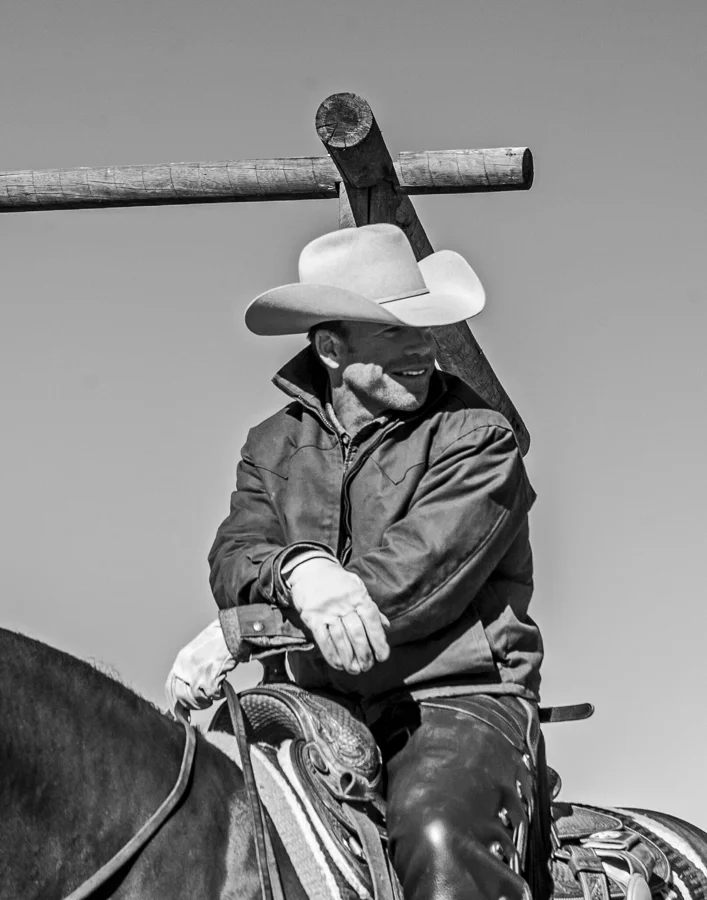
The show resonates strongly with the working class audience, a demographic often sidelined in prestige television, where narratives tend to focus on the elite and wealthy. Although the Duttons are affluent, their challenges are rooted in their deep connection to the land and the pressures threatening their way of life. Most of the non-Dutton characters, including ranch hands and cowboys, survive paycheck to paycheck, reflecting the harsh, unromanticized reality of cowboy life in a declining industry.
Kevin Costner’s Departure and Its Impact on Yellowstone’s Story Arc
Kevin Costner, who portrayed John Dutton, exited Yellowstone midway through its final season, fundamentally altering the show’s intended trajectory. Costner appeared in the first half of season five but was notably absent in the second part. His departure reportedly stemmed from a mix of creative disagreements, compensation issues, and scheduling conflicts. Costner himself cited scheduling—especially his desire to focus on his Western film project, Horizon: An American Saga—as the primary reason.
This drawn-out filming and the contentious split of season five delayed production significantly, frustrating Costner. He expressed lingering disappointment over the lack of recognition for his contributions in interviews, stating:
“I loved the show. I liked the people on the show. I liked what it was about. I love that world… There was a moment where that show for me stopped for 14 months. That’s the fact. I could have done a lot of things in that time, but I wasn’t aware that that [hold-up] was going to happen… I read all the stories. I was disappointed that nobody on their side … ever stepped up to defend what it was I actually did for them. There came a moment where I thought, ‘Wow, when is somebody going to say something about what I have done versus what I haven’t done?”
Kevin Costner’s exit left a void too large for Yellowstone to fill. Characters like Beth Dutton and Rip Wheeler remained compelling, but without John—the series’ core—much of the show’s intensity dissipated. Costner’s established reputation in Western cinema made his presence essential, and his absence weakened the narrative drive.
The Detrimental Effect of John Dutton’s Death on Yellowstone’s Legacy
Originally, John Dutton’s story was not intended to end with his death, but Costner’s departure forced creator Taylor Sheridan to revise the finale dramatically. The resulting storyline failed to live up to the series’ earlier emotional depth and complexity.
When the final episodes aired, John’s death was initially portrayed as a suicide, coinciding with the day of his impeachment hearing. This narrative choice confused and frustrated viewers, as John had never exhibited signs of being suicidal. The storyline quickly clarified that John was in fact murdered, a staged suicide executed by assassins hired by a lesser villain, Sarah Atwood.
This resolution was unsatisfying to many fans. Sarah lacked the brutality or emotional connection of other antagonists, such as the Beck brothers, and the impersonal nature of John’s killing clashed with the show’s usually passionate and fiery tone. The image of John bleeding out on a bathroom floor away from his beloved land was widely regarded as an affront to the character’s legacy and the spirit of the Western genre that Yellowstone sought to honor.
With the death of John Dutton, the show lost its central tension and narrative urgency. While Beth and Kayce continued to fight for the ranch and family legacy, the story’s soul had always been John’s battle. Without him, Yellowstone felt like a ghost of its former self, and the series’ conclusion, stripped of its main force, was inevitably disappointing.
Lessons from Other TV Shows That Executed Protagonist Deaths With Greater Impact
Taylor Sheridan’s predicament in rewriting Yellowstone’s finale was not unique, and other television creators have faced similar challenges with their lead characters’ endings. Unlike Yellowstone, these shows generally foreshadowed and integrated their lead characters’ deaths into the broader themes and story arcs.
The shocking death of Logan Roy in Succession Season 4, for example, resonated because the series centers on power transfer, making a successor inevitable. Similarly, Six Feet Under’s story was framed by early character deaths, preparing viewers for the death of main protagonist Nate Fisher. In Game of Thrones, the fall of Ned Stark was a thematic milestone aligned with the show’s brutal politics, highlighted by Cersei’s telling remark:
When you play the game of thrones, you win or you die,
Ned’s demise was consistent with his character traits and the narrative stakes.
By contrast, John Dutton’s ending—killed by unfamiliar assassins with no personal vendetta—felt disconnected from Yellowstone’s themes and character essence. The show had already referenced John’s frailty due to colon cancer early on, offering a plausible, natural endpoint.
In the season 5, part 1 episode titled Cigarettes, Whiskey, a Meadow, and You, John’s friend Emmett Walsh dies peacefully during a herding trip, embodying what John considered the ideal “cowboy death.” This portrayal suggested that John too might have deserved an ending reflecting his principles and stoicism rather than an abrupt, violent assassination.
A death illustrating John confronting mortality and choosing his final moments would have better honored both the man and his legacy, keeping in line with the show’s narrative depth and respect for its protagonist. Instead of a body left in a mansion’s sterile bathroom, an exit showing him riding off into the sunset might have preserved the Western dignity the show embodied.
The Ongoing Promise of the Yellowstone Universe Beyond the Original Series
Despite the damage done to the Yellowstone series by John Dutton’s abrupt death, the broader franchise built by Taylor Sheridan remains vibrant and influential. The immense popularity of the Dutton family and their story has spurred multiple successful spinoffs that expand and deepen the Yellowstone universe.
The prequel spinoffs 1883 and 1923, which explore previous generations of the Dutton family, were critically acclaimed and praised for enriching the franchise. Sheridan’s vision continues to expand with several other Yellowstone spinoffs currently in development, offering a wealth of new stories to explore.
The upcoming spinoffs include:
- 1883 (2021–2022): Chronicles the Dutton family’s journey west and the founding of the Yellowstone Ranch in Montana.
- 1923 (2023–2025): Focuses on a generation of Duttons facing hardships during Prohibition and the Great Depression.
- The Madison: Follows a New York City family living in Montana’s Madison River valley, expanding the Yellowstone universe to new characters and perspectives.
- Y: Marshals: Centers on Kayce Dutton’s new role within an elite group of U.S. Marshals, highlighting one of John’s surviving children.
- Dutton Ranch (working title): Tracks the life of Beth Dutton alongside her husband Rip Wheeler and their adopted son Carter, continuing the family saga.
- 1944: Another prequel in the style of 1883 and 1923, further exploring the Dutton family history.
- 6666 (currently on hold): Follows Jimmy Hurstrom’s work at the famous Texas ranch featured within the Yellowstone mythos.
While 6666 remains delayed, titles like 1944 and The Madison are actively progressing, with actress Michelle Pfeiffer involved as a star and executive producer in The Madison. Of particular interest are the shows focusing on John’s children, Kayce’s Y: Marshals and Beth’s Dutton Ranch, set to air on CBS. These spinoffs are positioned to carry forward the franchise’s core themes of family, loyalty, and the rugged Western lifestyle.
Taylor Sheridan’s ability to craft compelling narratives within this shared world suggests the Yellowstone franchise will endure, despite setbacks. His creative vision has permanently influenced the TV Western genre and, with multiple projects underway, the future holds promise for fans eager to continue exploring this distinctive American mythology—provided key actors stay committed.
