
Sean Astin, recently elected president of the SAG-AFTRA union, has taken a firm stance against the growing presence of artificial intelligence in the entertainment industry, particularly regarding the creation of AI actress Tilly Norwood. In response to reports that talent agents are attempting to represent the digital creation, Astin emphasized his commitment to protecting the rights and livelihoods of real human performers. His leadership follows a lengthy strike aimed at securing safeguards against AI misuse, and he is now vocally addressing this emerging threat as the union head.
Astin’s Declaration Amidst Industry Backlash on AI
Following Variety’s coverage of agents’ efforts to represent AI entities like Tilly Norwood, Astin released a detailed statement affirming SAG-AFTRA’s dedication to its members. Known for his iconic roles in “The Lord of the Rings” and “Stranger Things,” Astin framed the issue as part of a broader struggle that the union has engaged in for months. He reminded the public that the recent 118-day strike sought to establish concrete AI protections and stressed that this is not a sudden development but an ongoing fight as technology evolves rapidly.
“I appreciate that this story has captured the imagination of people, but it’s not the first shoe to drop. We had a 118-day strike, fighting very hard to put AI provisions and protections in place. The teams at SAG-AFTRA have been in this fight for longer than people might realize. As technology continues to advance at light speed, we’re going to meet the challenge.”
— Sean Astin, SAG-AFTRA President
Astin also highlighted the critical role of the union’s agreement with the Association of Talent Agents (ATA), anticipating constructive dialogue to ensure mutual support between performers and agencies. His remarks acknowledged the trust performers place in agents while emphasizing the key concerns about how performers’ work is displayed, licensed, and compensated when used, especially regarding AI-generated content.
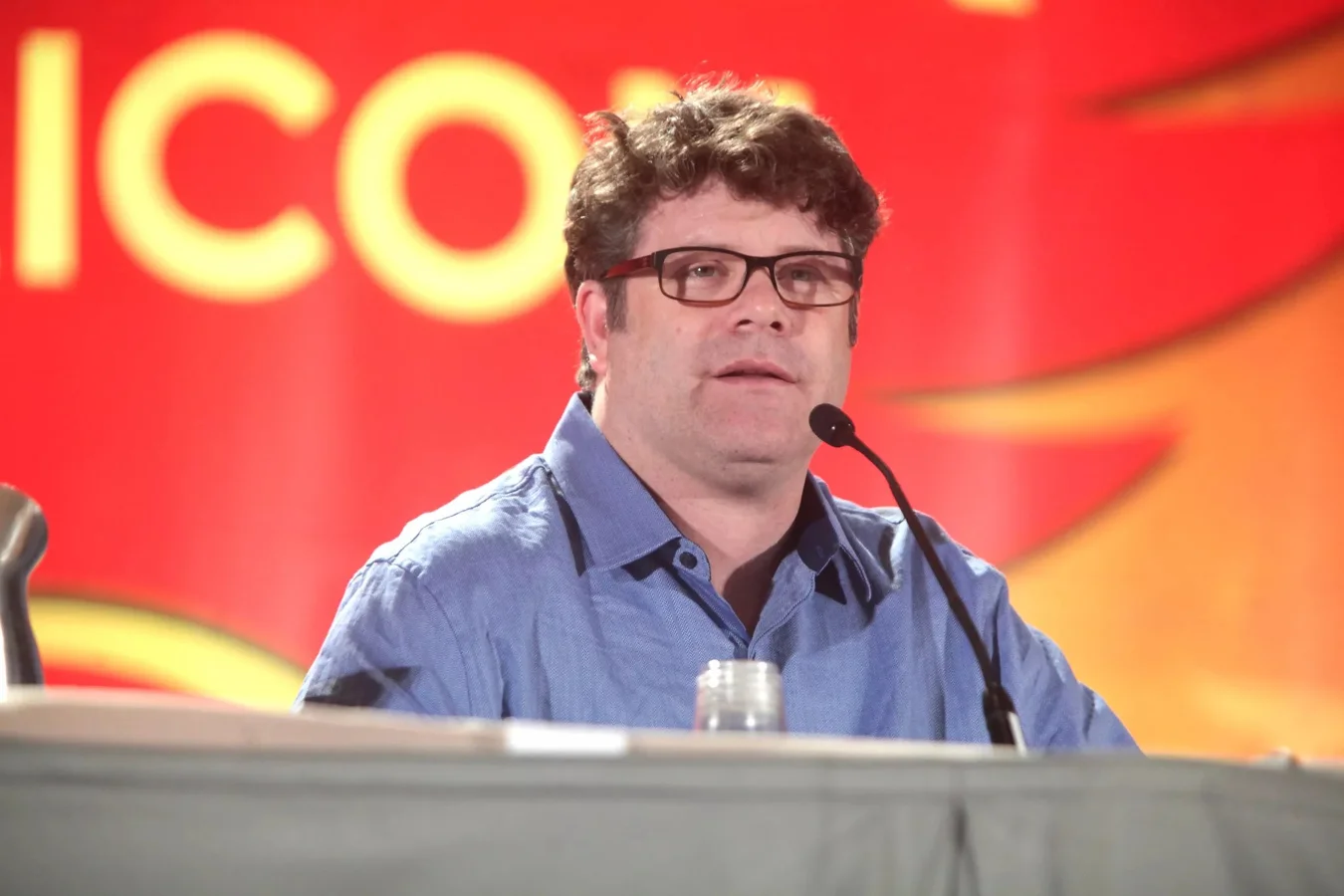
“Our agreement with the ATA [Association of Talent Agents] is important, and we look forward to a healthy, constructive conversation with agencies to make sure that we continue to help each other. We performers rely on our agent’s judgment and their good work and their sincerity, and they rely on our talent and our marketability. The real issue at play is how our work is exhibited and what kinds of permissions and compensations we get for its use.”
— Sean Astin, SAG-AFTRA President
The Growing Divide Over AI’s Role in the Creative Industry
The introduction of AI into creative fields has met intense resistance from many corners, including industry workers, artists, and a segment of the audience, all wary of the technology’s impact on jobs and artistic integrity. While some executives continue to back AI for its potential cost savings, widespread concerns persist about how this shift alters the experience for viewers and threatens the livelihoods of thousands of professionals behind the scenes.
Astin’s statements directly counter the push for AI integration by stressing the superiority of human artistry. AI-generated visuals and performances still fall short in authenticity and emotional connection. The pressing danger looms, however, that when AI becomes sophisticated enough to perfectly mimic human output, these issues will reach a critical tipping point.
“With regard to AI, we have an extraordinary amount of leverage, because the audience wants to see real human performers in movies, TV shows, animation, video games, audiobooks and in all the other ways that we represent our members.”
— Sean Astin, SAG-AFTRA President
What This Means for the Future of Performance and AI Integration
Sean Astin’s firm position signals a watershed moment for the entertainment industry as it grapples with the balance between innovation and protecting workers. As head of SAG-AFTRA, Astin will likely lead continued efforts to regulate AI’s role, ensuring that performers receive fair treatment and compensation amid fast-moving technological changes. His advocacy reflects the tension between progressing digital tools and maintaining the value of genuine human creativity, a struggle that will define the industry’s evolution going forward.
Ultimately, the conflict surrounding AI actresses like Tilly Norwood underscores a broader fight for control over artistic content and labor rights. This fight will shape how audiences experience entertainment and uphold the economic and ethical standards for performers across all media platforms.
