
After three years, the third season of Tulsa King introduces a villain who redeems one of the less impressive antagonists created by Taylor Sheridan. This fresh addition revitalizes the show’s narrative by presenting a more authentic and formidable opponent that contrasts with previous villains, firmly anchoring the story in its Oklahoma setting and deepening the clash between urban tactics and rural tradition.
How Jeremiah Dunmire Fulfills the Villain Role Tulsa King Season 1 Missed
Caolan Waltrip, the antagonist from Tulsa King’s first season and leader of the Black Macadams biker gang, failed to pose a significant challenge to Dwight Manfredi and his crew. Despite Waltrip’s local roots, he fell short as a credible threat in the storyline, quickly overwhelmed by Bodhi’s hacking skills and a single gunfight. The narrative missed the opportunity to position Waltrip as a strong counterbalance to Dwight’s New York mobster persona, instead offering a lackluster conflict between two outsiders rather than a genuine clash between cultures.
Waltrip was intended to embody the local resistance, presenting a born-and-bred Oklahoman defending his territory against an encroaching city gangster, yet he was portrayed as an Irish immigrant lacking deep ties to Tulsa. This undercut the potential for a compelling rural-versus-urban dynamic and reduced the villain’s impact to little more than a minor obstacle for the protagonist. As a result, the seasonal story felt more like Dwight steamrolling another transplant than a meaningful turf war.
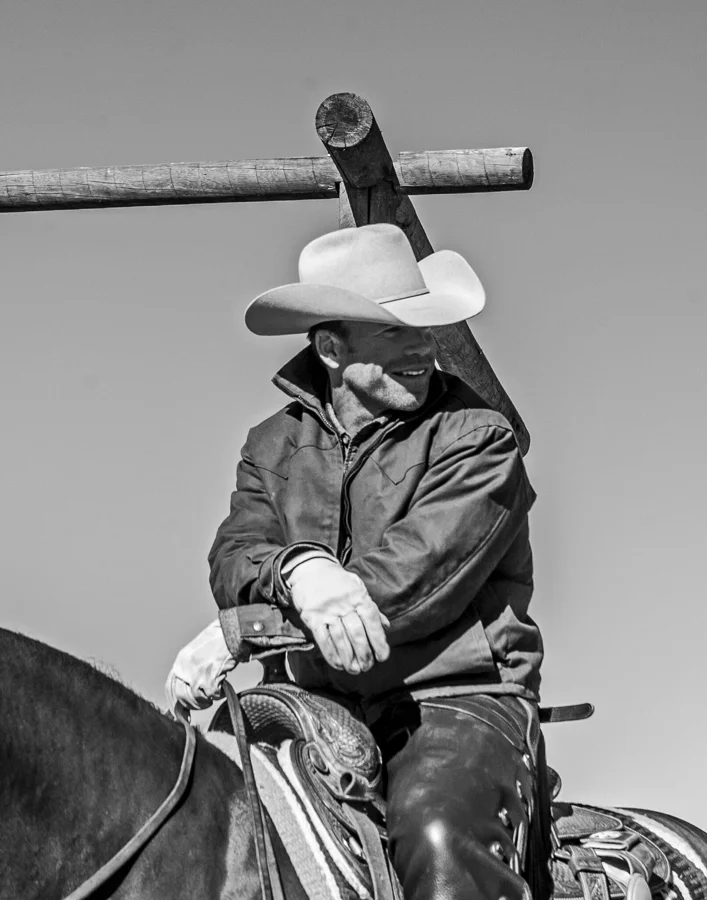
In contrast, the introduction of Jeremiah Dunmire in season 3 reclaims the villainous role Waltrip should have filled. Dunmire is deeply connected to Tulsa, a member of the Dixie Mafia, and embodies traditional, country values. To him, Tulsa is his birthright, and Dwight is a disruptive outsider who has no claim to the territory. Dunmire’s background and motivations anchor him firmly in the region and culture, making him a far more fitting and threatening adversary.
Jeremiah Dunmire brings new life to Tulsa King’s central conflict by embodying the story’s intended theme: an urban gangster attempting to assert dominance in a deeply local, rural environment. His presence forces Dwight to navigate unfamiliar dynamics and challenges that feel authentic to Tulsa’s landscape, marking a narrative progression toward the show’s original vision.
Moreover, Dunmire is simply a more menacing villain than his predecessors. While Caolan Waltrip’s conflicts were relatively tame and his most notable violent act was injuring Stacy Beale, Dunmire’s actions have demonstrated a level of danger and brutality that raises the stakes. This shift in villainy adds tension and intensity to the show, captivating viewers in a way Waltrip’s tenure never did.
Season 3’s Embrace of a True Western Atmosphere Strengthens the Story
Jeremiah Dunmire’s character also highlights a broader thematic evolution in Tulsa King season 3, where the series leans more into its Western and Southern roots. Unlike the previous seasons, which often offered only superficial nods to rural and cowboy imagery, the latest season blends crime drama with neo-Western elements, making Tulsa itself a more active part of the story.
Previous seasons treated Tulsa as a backdrop rather than a vibrant setting, with characters who sometimes looked the part but lacked the cultural grounding that would make the location integral to the plot. Season 3 changes that by presenting Tulsa as a place with its own history and identity, which pushes back against Dwight’s encroachment and shapes the power struggles at play.
As a distiller and Dixie Mafia member, Dunmire personifies this country influence. His opposition to Dwight symbolizes the tension between tradition and outside influence, rural values and urban ambition. This narrative depth allows Tulsa King to explore new dimensions of the protagonist’s story, challenging Dwight to reconcile with the complexities of his chosen home beyond sheer dominance.
The show’s evolving setting also broadens the narrative texture, transforming Tulsa King from a straightforward gangster drama into a nuanced neo-Western. The environment, character motivations, and conflicts reflect this hybrid, delivering a fresh tone that enhances viewer engagement and enriches the storytelling.
Episode Release Schedule for Tulsa King Season 3
The third season continues to unfold its story with episodes released on Sundays at 3 a.m. ET. The scheduled episodes are:
- Blood and Bourbon – September 21
- The Fifty – September 28
- The G and the OG – October 5
- Staring Down the Barrel – October 12
- On the Rocks – October 19
- Bubbles – October 26
- Art of War – November 2
- Nothing is Over – November 9
- Dead Weight – November 16
- Final episode – November 23
These episodes will continue to explore the tensions between Dwight Manfredi and Tulsa’s entrenched powers, deepening the series’ exploration of cultural conflict and power dynamics in a uniquely American landscape.
Impact of Tulsa as a Living Setting on the Show’s Direction
Season 3’s shift toward a genuine Western atmosphere modifies how Tulsa functions within the show — it is no longer just a backdrop or a convenient setting. Instead, Tulsa’s history and culture actively shape the narrative, offering resistance to Dwight’s attempts to control the city and underscoring his outsider status.
The city’s influence manifests through its residents, local traditions, and social networks, making it a sort of character in its own right that interacts with the main cast. This transformation drives home the stakes facing Dwight and his gang, compelling them to navigate challenges rooted in local complexities rather than simply relying on their big city experience.
By embracing these elements, Tulsa King gains considerable narrative depth and fresh tension. Dwight’s story is now layered with real conflicts tied to identity, belonging, and power struggles within a distinct cultural setting. This makes the season feel more textured and nuanced, heightening the series’ overall interest and emotional resonance.
“Because of Jeremiah Dunmire, Tulsa King is finally ready to tell the story of Dwight’s big city tactics clashing with this new setting he’s completely unfamiliar with, even if it is three years too late.” – Source
“Even setting aside the symbolism Jeremiah Dunmire brings to Tulsa King, he’s also just a better villain than Caolan Waltrip was.” – Source
“Tulsa King becoming more of a neo-Western is one of the best changes the show has ever made. It finally feels like Dwight has to reckon with the home he’s made and whether he really belongs there, and he finally has to deal with things he’s actually out of his depth in.” – Source
