
Damon Cardasis is juggling multiple projects at once, including a musical adaptation of his 2017 film Saturday Church, which is currently running off-Broadway. At the same time, he is the lead producer on an Apple TV+ docuseries titled Mr. Scorsese, directed by Rebecca Miller, which explores the life and career of Martin Scorsese. The docuseries will premiere at the New York Film Festival before streaming on October 17. This project marks a significant undertaking in the realm of Martin Scorsese docuseries production.
Cardasis shared during a Zoom interview from his New York apartment,
“I’m writing the musical and doing lyrics for the musical, and then switching my brain and being the lead producer on a five-part doc series on Scorsese,”
adding with a laugh,
“It’s also careful what you wish for.”
These concurrent efforts highlight his passion and adaptability in creative work.
The Stage Adaptation of Saturday Church
Saturday Church tells the story of a New York City teenager grappling with his gender and sexual identity, supported by a group of LGBTQ+ youth. The musical, directed by Whitney White, features a book co-written by Cardasis and Pulitzer Prize winner James Ijames, with music and lyrics by Sia. It runs at the New York Theatre Workshop through October 24, presenting a poignant narrative that resonates deeply with audiences today.
Cardasis explained how the musical adaptation came to be when his agent Kevin Lin queried his interest after a Q&A for the movie. He mentioned Sia as his dream collaborator since she had expressed admiration for the film on social media. Lin pursued the opportunity, and Sia agreed to contribute her music and lyrics, a partnership established seven years ago.
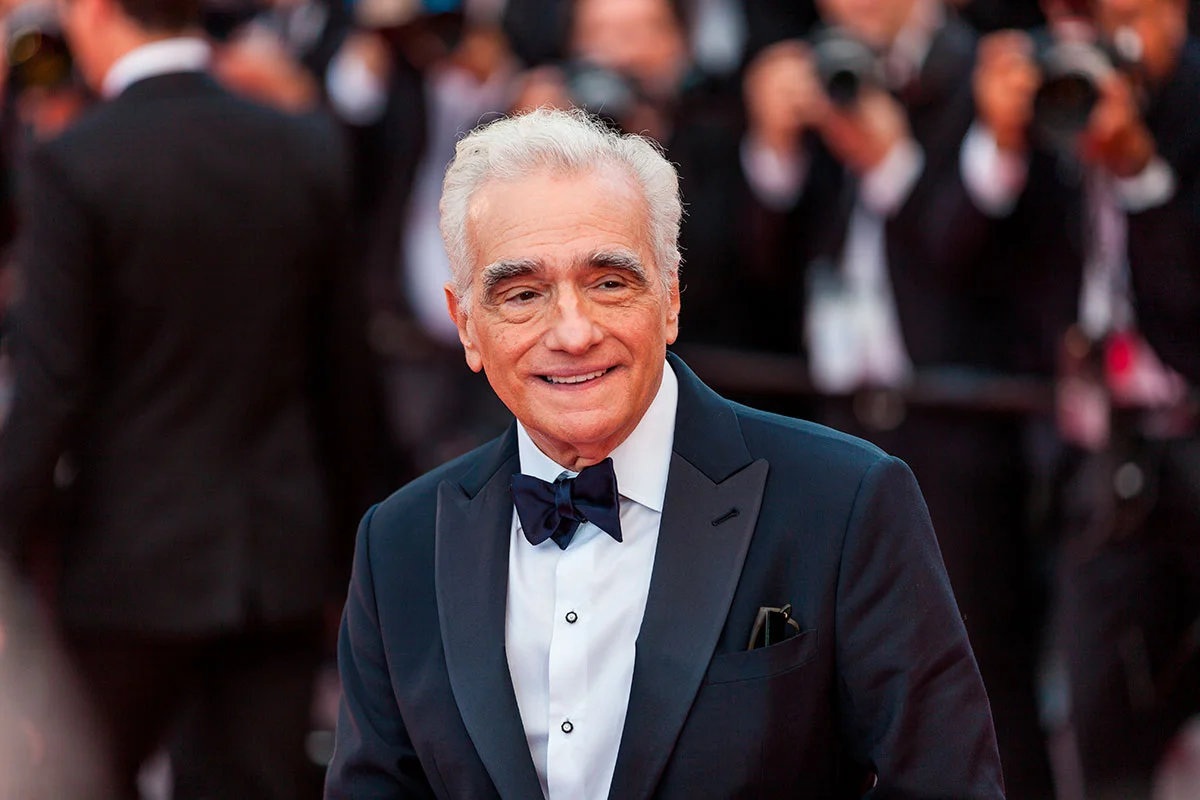
Conceiving the Documentary Project on Martin Scorsese
The idea of producing a documentary on Martin Scorsese began as a modest proposition but quickly expanded into a more ambitious undertaking. Cardasis recounted the process, saying the project initially aimed to be a single film, inspired by prior success with Rebecca Miller’s documentary on her father, Arthur Miller: Writer. They quickly realized that tackling Scorsese’s life and career required more depth.
Upon reaching out to Margaret Bodde, Scorsese’s producing partner and head of his Film Foundation, they received encouragement to explain their vision directly to Scorsese. After Rebecca Miller wrote a personal letter, Scorsese agreed to participate, despite rarely consenting to documentaries about his life.
Filming During an Unprecedented Time
Shooting began during the COVID-19 pandemic, which unexpectedly offered a unique window as most productions were on hold. Cardasis appreciated how this downtime allowed deeper access to Scorsese, who maintained a busy schedule otherwise. The interviews started outdoors with limited crew and then evolved as they discovered the project’s scope was larger than anticipated.
Rebecca Miller identified early on that one film wouldn’t suffice. What began as a tentative two-part approach soon expanded into a five-part series. The docuseries includes contributions not only from famed colleagues but also from Scorsese’s family, childhood friends, and closest collaborators, resulting in a layered and intimate portrayal.
Open Conversations and Intellectual Exchanges
Throughout production, there was never a moment when Scorsese requested to halt filming due to sensitive topics. Cardasis credited Miller’s sharp intellect for being able to match Scorsese’s expansive knowledge, allowing for fluid and natural discussions. He recalled,
“Let’s talk about Italian cinema from 1960”
or
“Oh, my god, did you see the opera of this or that?”
as examples of their dialogues that reveal Scorsese’s openness and honesty to viewers.
The two often filmed in an intimate setup, just Miller and Scorsese in a room with cameras and minimal crew, which helped capture an authentic and candid portrait. This unguarded approach allows audiences a rare glimpse into the mind and heart of the legendary director.
Potential for Future Film Adaptations
Looking forward, Cardasis expressed enthusiasm about the possibility of adapting the stage musical Saturday Church back into a film. He dreams of producing a large-scale movie musical akin to Chicago. A notable theater producer praised the musical’s diverse appeal, noting,
“I have not seen an audience like that in a show since I don’t know when.”
She added,
“This plays so well in a 200-seat theater, but it could play arenas, too.”
Videos of audiences dancing to its songs at nightclubs have amplified this optimism. Cardasis views a big-budget movie adaptation as a powerful next step to bring the story and its message to a wider audience.
The Enduring Relevance of the Story Amid Political Challenges
The themes in Saturday Church, centering on queer and trans identities, resonate with growing urgency in light of recent political attacks on these communities. Cardasis reflected on this troubling climate, stating that the persistent hatred and fear are “terrifying” but expressed hope for change.
He believes that works like Pose and Saturday Church offer strength and visibility, serving as beacons of support for the community. Cardasis emphasized the importance of fostering genuine allyship and ensuring that those affected do not feel isolated during challenging times.
The Impact and Promise of the Docuseries
The Martin Scorsese docuseries crafted by Cardasis and Miller offers more than just a biography; it’s an intimate exploration of Scorsese’s artistic journey and personal life. By drawing on perspectives from those closest to him, the series promises a richly textured narrative that will appeal to both devoted fans and new audiences.
This project underscores the challenges and rewards of producing a large-scale documentary about a towering film figure and reflects the deep admiration of those involved in its creation. As it reaches the public through the New York Film Festival and Apple TV+, it is expected to spark renewed appreciation for Scorsese’s contributions and offer insights into the creative process of one of cinema’s greatest.
