
Since its 2018 premiere, Taylor Sheridan‘s Yellowstone has grown into a cultural phenomenon, captivating American and global audiences with its intense portrayal of family loyalty, land disputes, and frontier politics. Amidst this surge in popularity and an expanding franchise including spinoffs like 1883 and 1923, Netflix has introduced a formidable rival through its reinvigoration of the Peaky Blinders universe. Once a 12-year-old British crime drama, Peaky Blinders is now poised to become a major contender to Yellowstone’s stronghold on Western and crime drama fans alike.
Originally a BBC production, Peaky Blinders gained international acclaim for its gripping storytelling and complex characters. Netflix’s acquisition of the rights to air the series worldwide, combined with announcements of an upcoming sequel series, a feature film titled The Immortal Man, and additional spinoffs, signals a strategic expansion akin to Yellowstone’s multi-era storytelling approach. Both universes leverage rich narratives centered on family conflicts and political intrigue, offering fans numerous interconnected storylines across different time periods and locations.
Comparing Iconic Central Characters: Tommy Shelby and John Dutton
The success of both franchises owes much to their compelling protagonists. In Yellowstone, Kevin Costner’s portrayal of John Dutton, the patriarch defending his vast ranch, has become emblematic of modern Western television. Similarly, Peaky Blinders’ Tommy Shelby, brought to life by Cillian Murphy, has cultivated a devoted following through six seasons and remains a pivotal figure as the story unfolds in upcoming projects.
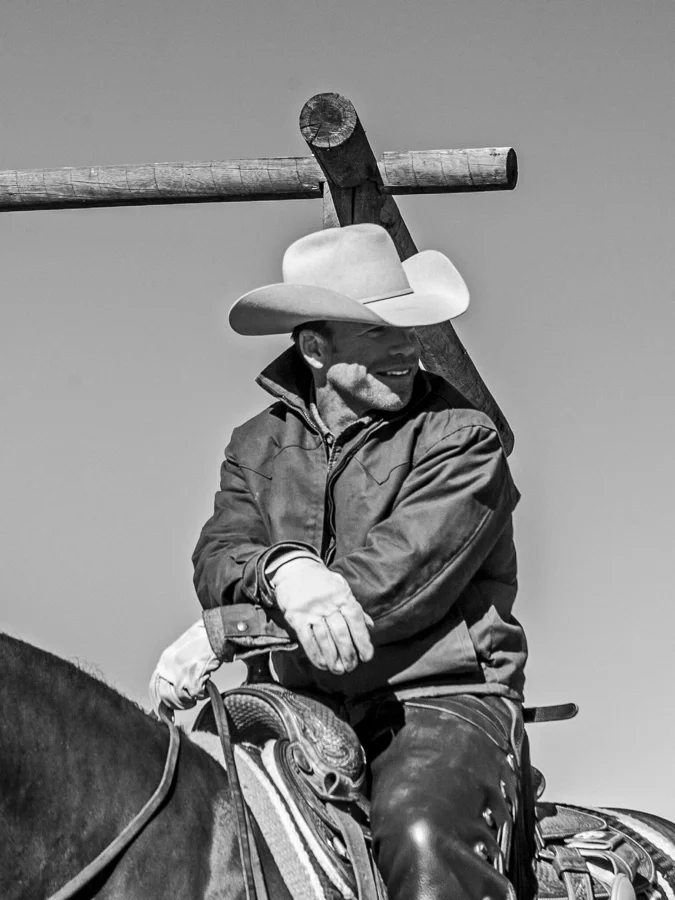
Kevin Costner’s established reputation in the Western genre has bolstered John Dutton’s iconic status, while Murphy’s acclaimed career, capped by a Best Actor Oscar in 2024, lends considerable weight to Tommy Shelby’s character. Both men anchor their respective series, transforming them from mere dramas into cultural landmarks. Despite their contrasting personalities and settings—the rugged American West versus post-World War I British criminal underworld—their roles are frequently viewed as equal fits for their shows’ core themes of power, loyalty, and survival.
While John Dutton’s character has experienced significant turmoil, including a highly discussed fate impacting Yellowstone’s narrative direction, Tommy Shelby’s story continues in The Immortal Man, with speculation about his character’s future intensity. Such pivotal moments underscore the importance of these figures in maintaining viewer engagement and sustaining franchise momentum.
Reasons Behind the Delayed Expansion of Peaky Blinders’ World
Peaky Blinders first aired in 2013 and concluded its original series run only three years ago, leading to curiosity about why Netflix’s expansion efforts have materialized relatively recently. Initially, the show appears to have been conceived as a contained story, without immediate plans for broadening its universe. However, the overwhelming success of the series laid the groundwork for future projects, including feature film and spinoff development.
Discussions regarding a Peaky Blinders movie began while the original series still aired, but the full undertaking of these new projects only accelerated after the show’s conclusion. Creator Steven Knight likely prioritized completing the original narrative to preserve its quality and impact, ensuring audiences fully absorbed the story before exploring further expansions.
This measured approach has kept fans invested, with anticipation building for new installments without risking dilution of the core material. The careful pacing contrasts with Yellowstone’s rapid spinoff releases but aligns with the weighty themes that define Peaky Blinders’ storytelling.
Shared Themes and Audience Appeal Between the Two Franchises
Despite Yellowstone and Peaky Blinders spanning different cultural contexts and genres, their shared emphasis on family drama, political struggles, and deeply flawed yet charismatic leads resonates strongly with viewers. Both narratives explore power dynamics within families who confront internal and external threats, creating intense personal and ideological conflicts that propel the storylines.
These universal themes, paired with high production values and critically acclaimed performances, make each franchise compelling in its own right while setting the stage for intense fan loyalty and expanded storytelling. Fans appreciate the opportunities to explore multiple perspectives within these universes, whether through Yellowstone’s historical western prequels or Peaky Blinders’ upcoming sequels and spinoffs.
Significance of Netflix’s Investment in Peaky Blinders as a Taylor Sheridan Yellowstone Competitor
Netflix’s strategic commitment to Peaky Blinders marks a clear move to position the franchise as a direct competitor to Taylor Sheridan’s Yellowstone universe. By releasing new content, including The Immortal Man film and forthcoming series, Netflix taps into a dedicated audience eager for high-stakes crime drama fused with historical context and complex family sagas.
This rivalry introduces a fresh dynamic within streaming and television landscapes, where both franchises push boundaries in storytelling and audience engagement. Peaky Blinders’ revitalization enhances Netflix’s Western and crime drama portfolio, offering a gritty British counterpart to Yellowstone’s American frontier sweat and ironclad family bonds.
Looking ahead, the success of these expansions will likely influence further development decisions. If Peaky Blinders maintains its quality and expands its narrative complexity, Netflix could solidify its role as a key player challenging Paramount’s Yellowstone franchise dominance. Meanwhile, Yellowstone’s creators will face the challenge of innovating to sustain their viewership as competition intensifies.
The Role of Key Actors and Creators in Sustaining Franchise Success
Both franchises owe considerable credit to visionary creators and standout casts. Steven Knight’s creation of Peaky Blinders demonstrated a nuanced understanding of its historical and criminal milieu, while Taylor Sheridan’s Yellowstone franchise combines authentic Western elements with psychologically rich characters. This creative vision ensures narrative depth across generations of viewers.
Actors like Kevin Costner and Cillian Murphy not only embody complex protagonists but also bring star power that attracts wide audiences. Supporting cast members, including Annabelle Wallis, Sam Neill, Helen McCrory, Luke Grimes, Ian Peck, and others, further enrich the storytelling tapestry, lending authenticity and emotional weight to their respective universes.
Contextualizing the Audiences and Cultural Impact of Both Shows
Yellowstone chronicles the Dutton family’s fierce defense of their expansive Montana ranch against threats from land developers, neighboring Indian reservations, and federal authorities, education audiences about the tensions surrounding America’s largest contiguous ranch. This setting and the series’ nuanced exploration of land ownership, legacy, and survival engage viewers invested in modern Western conflicts and family sagas.
Peaky Blinders, on the other hand, dives into the post-World War I British underworld where the Shelby family rises amidst political upheaval and social transformation. Its blend of crime, history, and thriller elements appeals to viewers fascinated by complex characters navigating dangerous, volatile environments.
Both series have cultivated passionate fan bases by combining historical periods with contemporary storytelling techniques, securing their roles as staples in their respective genres and cultural contexts.
Future Prospects for Both Franchises Amidst Growing Competition
As Netflix prepares to launch the Peaky Blinders sequel series alongside The Immortal Man film, the franchise’s trajectory points to further expansion across new stories, characters, and eras. This ambitious growth strategy mirrors Yellowstone’s approach and signals increased competition that could benefit fans with richer content.
Meanwhile, Yellowstone continues to release new seasons and spinoffs, including the broader timeline around its 1923 installment, maintaining momentum within Paramount Network’s programming. This coexistence of two powerful universes, each with devoted audiences and distinct storytelling styles, creates a dynamic landscape for Western and crime dramas on streaming platforms.
Ultimately, the competition between Netflix’s Peaky Blinders and Taylor Sheridan’s Yellowstone is reminiscent of classic rivalries: pushing both franchises to elevate their narratives, secure their fanbases, and redefine the standards for television prestige dramas in the coming years.
