
Andy Jurgensen, the longtime editor for Paul Thomas Anderson, has once again demonstrated exceptional skill with the director’s latest film, One Battle After Another. Released recently, this 2.5-hour movie maintains a swift pace that feels much shorter, showcasing Jurgensen’s mastery in balancing emotion, humor, and intensity through careful editing choices. His approach to Paul Thomas Anderson editing ensures the film’s theatrical run continues to engage audiences deeply.
In an extensive discussion, Jurgensen delved into how the film’s momentum was shaped, how tonal shifts were balanced, and how specific edits contribute to the story’s emotional impact. From test screenings to music placements, his insights reveal the intricate process behind the film’s unique rhythm and flow.
Innovations in the Film’s Opening Act
The opening act of One Battle After Another stands out for its dynamic energy—a quality Paul Thomas Anderson had not fully captured in previous works. Jurgensen explained that, inspired by experimentation during the editing of Licorice Pizza, this film’s prologue uses sharp, sometimes abrupt cuts to quickly immerse viewers. The prologue originated as a longer sequence focusing on Perfidia’s character but was trimmed to strike the perfect balance between narrative impact and setting the stage for the rest of the film.
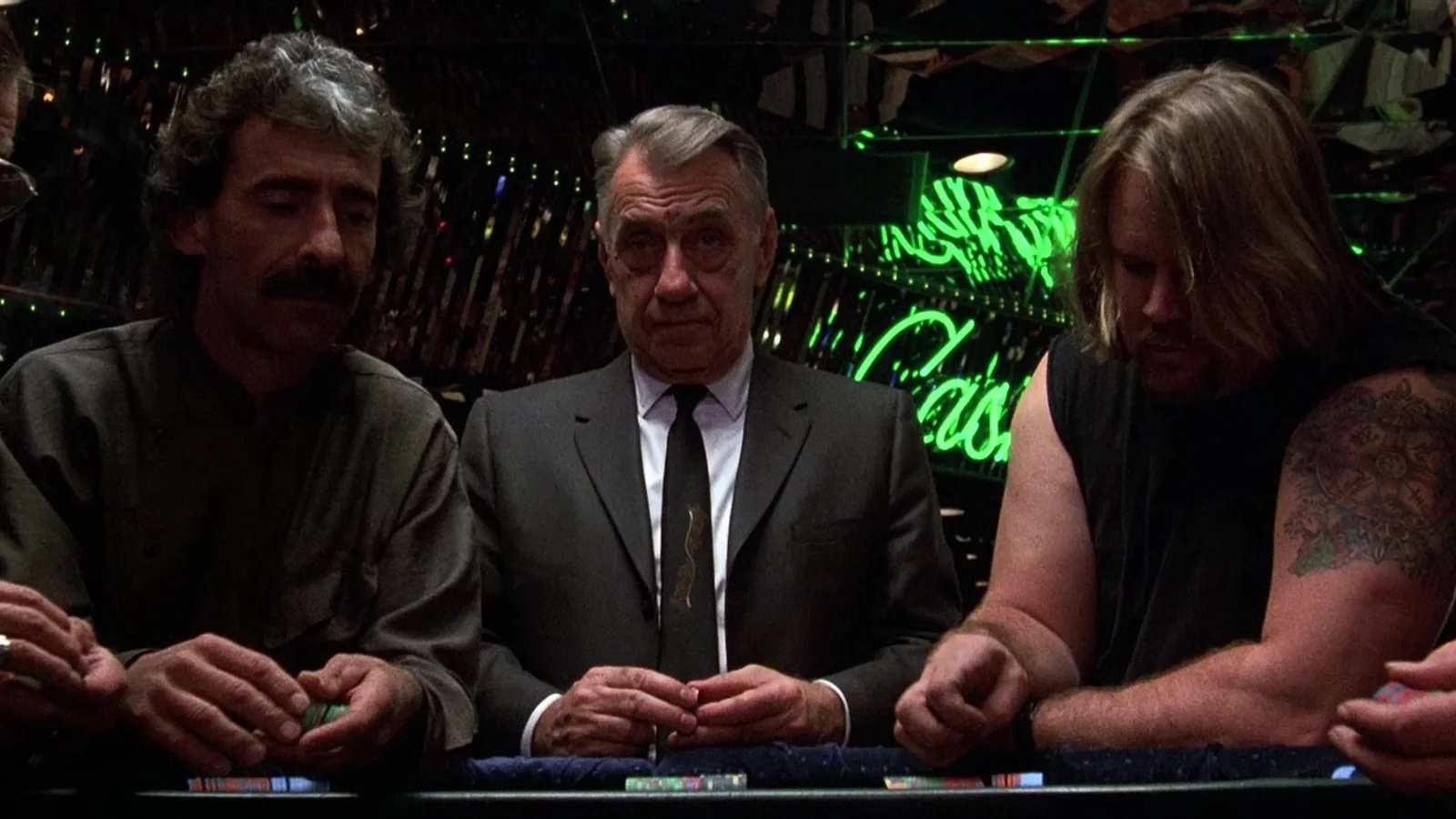
This early narrative momentum, achieved partly through hard cuts and rhythmic pacing, aims to overwhelm the audience with detail while maintaining excitement. The editing intentionally creates an immersive opening that introduces key characters and themes without lingering unnecessarily.
Strategic Use of Time Jumps and Music Cues
One of the most memorable moments in the film is a cut transitioning from baby Willa to her teenage years, accompanied by a Steely Dan track. Jurgensen confirmed that this leap across 16 years was planned from the start, with no footage filmed to cover the gap. The choice to let music carry the viewer through this temporal jump was an intentional storytelling device by Anderson, who often played Dirty Work during shooting to help set the tone.
Music continues to play a pivotal role in the film’s structure, especially in transitions between acts. The use of iconic tracks like Steely Dan for the first act’s conclusion and Jackson 5’s
Ready or Not Here I Come (Can’t Hide from Love)
at a crucial escape sequence helps punctuate key narrative shifts. Rather than overusing needle drops, these carefully selected songs amplify specific moments, enhancing the emotional and rhythmic flow.
Balancing Score and Sound to Highlight Character Arcs
Alongside these song placements, Jonny Greenwood’s score features prominently at suspenseful or emotionally charged points. Signature orchestral hits underline pivotal scenes, such as during a Christmas Adventurers meetup and a tense DNA test, tying the music closely to character development while complementing rather than overwhelming the narrative.
Jurgensen observed that the score’s timing on close-ups heightens emotional resonance, integrating music and editing so the audience remains connected to each character’s journey through subtle audio cues.
Restricting Perspective to Deepen Audience Connection
The editing deliberately confines the audience’s viewpoint mostly to the characters’ immediate experiences rather than showing extensive external action. For instance, sequences depicting riots and police activity are limited and strategically placed to build tension while maintaining intimacy with the protagonists. This approach keeps viewers grounded in the characters’ perspectives, despite the presence of broader social unrest.
Cross-cutting plays a vital role in maintaining this tension, as scenes shift between Bob, Willa, and other key figures escaping danger or confronting crises. Jurgensen and the team moved scenes around to maximize suspense, especially as antagonists close in, ensuring the narrative stakes remained high without overwhelming the viewer with extraneous details.
Seamless Stunt Integration to Enhance Intensity
A particular sequence showcasing Bob’s precarious fall off a rooftop demonstrates the complexity of editing choices behind the scenes. Utilizing a combination of stunt work, multiple camera plates, and visual effects, the final single continuous shot was crafted to appear as one seamless moment. Jurgensen explained they avoided automated camera rigs, instead stitching together footage of the stuntman falling and Leo’s performance to maintain realism and fluidity.
This editing technique magnifies the scene’s impact, emphasizing both Bob’s vulnerability and the danger he faces, adding to the film’s gripping tension.
Creating Emotional Breath Points Within Fast-Paced Scenes
Despite the film’s rapid pace, Jurgensen highlighted the importance of moments where the story slows down to deepen emotional engagement. These “valleys” emerge in quieter scenes such as the interactions between Willa and Bob at the breakfast table or Bob’s tender conversation with Sensei in the car. While these sequences offer the audience a chance to catch their breath, they also enrich the narrative by revealing character relationships and emotional stakes.
Another striking example is a POV shot at the witness protection home, where Perfidia’s surroundings contrast sharply with her prior life. This framing visually communicates her confinement and internal conflict, enhancing the storytelling without verbal explanation.
Precision and Rhythm in the Climactic Chase
The final chase sequence exemplifies Jurgensen’s precise organization and attention to detail. Editing began with assembling all available footage into “string outs,” categorizing shots by perspective to track each vehicle’s movement smoothly. The editing balances dynamic side-profile cuts between characters, creating a rhythmic sequence reminiscent of intense action films but rooted in the story’s momentum.
Sound design played a key role during this segment as well; a full version of the chase’s sound effects was provided to the sound department in advance to help shape the scene’s intensity. Greenwood’s score, infused with a percussive pulse, further amplifies unease while avoiding overwhelming audiences—a challenge Jurgensen described as maintaining tension without inducing discomfort.
Okay, how can we just get right to that line so that we are giving people this uneasiness, but it’s not so disorienting that people can’t look at the screen?
– Andy Jurgensen, Editor
Validating Choices Through Test Screenings
This film marked Paul Thomas Anderson’s first project with test screenings since Boogie Nights. Jurgensen acknowledged that while some trimming and fine-tuning occurred after audience responses, the screenings mostly served as confirmation that the humor, tone, and emotional depth resonated effectively. The screenings also tested the film’s political relevance amid current events, with responses varying by region but generally positive.
One significant editing debate involved the film’s ending: whether to conclude with just an embrace between Willa and Bob or to include the uplifting American Girl track. After screening both versions, the final decision favored incorporating the song to create a more hopeful and resonant closure.
Dispelling Rumors About Alternative and Deleted Content
Jurgensen dismissed circulating rumors concerning the inclusion of sci-fi elements or a 2001-style overture in the film. These ideas were never pursued in production or editing phases. He emphasized that the film’s time setting is deliberately ambiguous, avoiding specific political or historical markers to create a story that mirrors, but does not directly replicate, present-day reality.
Even minor details like the appearance of an iPhone in the prologue fell outside their focus, as interpretations of the timeline remain open to audience speculation.
Revealing Hidden Musical Layers
A notable segment featuring Sean Penn’s character is scored with an orchestral piece by Jon Brion, sourced from Paul Thomas Anderson’s music archives. Although not composed specifically for the film, this track was carefully integrated during editing to enhance emotional atmosphere, demonstrating the thoughtful layering of sound and image throughout the project.
Editing Driven by Emotion Over Conventional Structure
Jurgensen described how Paul Thomas Anderson editing often favors emotional continuity over chronological precision. For example, the scene where Leo’s character introduces himself as Batman occurs after events set the following morning, but the choice preserves the emotional flow, providing a clear throughline for Bob’s storyline.
Such decisions highlight the film’s flexibility in timeline representation—supporting thematic resonance rather than strict narrative order—which contributes to its evocative storytelling style.
Artful Use of Dissolves to Mark Passage and Mood
Dissolves, though sparingly used, punctuate the film’s editing with striking visual transitions. Shots that fade from Leo on the pavement into the road or from a diner scene with Howard Sommerville emphasize passage of time or shifts in location while providing moments of reflection amid the film’s accelerating pace.
What would be a cool dissolve here?
– Andy Jurgensen, Editor
Jurgensen explained that dissolves add an “artsy” dimension, providing smooth transitions that sometimes subtly extend moments for greater impact, complementing the film’s energetic editing approach.
Immersive Experience Without the Use of Subtitles
Deciding against subtitles during sequences in Spanish, particularly in the Benicio del Toro segment, was a deliberate choice to immerse the audience fully. Despite not understanding the language, viewers can interpret emotional and narrative cues through performance and context, without breaking focus to read text on screen.
Managing Complex Tone Shifts Throughout the Film
The film’s tonal range, seamlessly shifting between humor, tension, and heartfelt emotion, posed a particular challenge. Jurgensen credited committed performances from actors like Tony Goldwyn and Leo, whose ability to balance comedy and drama enabled these swings to feel natural rather than jarring.
Characters such as Lockjaw embody a mix of absurdity and vulnerability, adding layers that prevent the tone from becoming one-dimensional. This balance required careful editing to trust instinct and “thread the needle” between extremes, maintaining emotional authenticity.
Identifying Moments With Lasting Impact
Some lines and sequences emerged as instant audience favorites during test screenings. A memorable example is Benicio del Toro’s delivery of the “few small beers” line, which was added back after initial screenings when it received strong laughs. Other classic moments, including telephone exchanges and reactions to plot developments, were recognized as potential trailer highlights.
Okay, let’s try a few more things. The audience is getting the humor. What else can we push a little bit further?
– Andy Jurgensen, Editor
High-Energy Action Sequences and Visual Storytelling Techniques
The opening heist and chase scenes display a dynamic mix of sweeping helicopter-style shots and intimate close-ups, such as Perfidia’s face being slammed to the ground. Transitions flow swiftly from one perspective to another, building tension and momentum efficiently. Techniques like mounting the camera on a car for swinging motions add to the feeling of immediacy and involvement.
Powerful visual moments, such as Perfidia shooting while pregnant or the explosion of Bob’s door, serve to jolt viewers at key narrative beats, ensuring sustained engagement.
Subtle Historical Nods and Filming Locations
The use of Ronald Reagan’s former house for the Christmas Adventurer’s Club scene represented an unintentional Easter egg. Although the location was selected among many, Jurgensen acknowledged its ironic presence as a playful inside joke, linking tangentially to the film’s source material without directing focus.
Technical Challenges and Camera Innovations
Building on experimentation with VistaVision cameras during the production of the short film Anima, Jurgensen revealed that technical testing began almost a year before principal photography. Some early camera synchronization issues were resolved through rigorous testing, enabling the capture of long takes and complex movements with confidence.
While mostly shot in VistaVision, certain intimate sequences used Super 35 due to camera noise considerations, with film transfers ensuring consistent visual quality across formats.
Additionally, Giovanni Ribisi’s involvement in restoring one of the cameras used on set was noteworthy, allowing the crew to employ a key piece of equipment throughout production. That camera now enjoys a display in a Los Angeles venue, symbolizing the technical heritage of the film.
Reflections on Expectations and Reception
Recognizing that the film represents Anderson’s biggest budget to date, Jurgensen noted the mixture of excitement and doubt within the fan community before release. Despite online criticism, the crew’s confidence in the project never wavered, especially as current political parallels with detention centers emerged during editing, enhancing the film’s relevance.
Oh my gosh, there are so many parallels.
– Andy Jurgensen, Editor
The team maintained focus on their creative process rather than external negativity, embracing the unpredictability that defines each of Anderson’s films. The overwhelmingly positive audience response during early screenings, with viewers attending multiple times and appreciating the film’s depth in varied formats, fulfilled the editor’s hopes for lasting impact.
Ongoing Discovery and Lasting Emotional Resonance
Jurgensen expressed that the film offers layers for continued audience discovery, with new details emerging upon repeated viewings. Balancing entertainment with thought-provoking social commentary, the film mixes comedy, action, and absurdity while grounding the story in emotional truth.
Now playing in theaters, One Battle After Another exemplifies the power of Paul Thomas Anderson editing—creating a film that resonates intensively and lingers in viewers’ minds beyond the final frame.
