
“Caught Stealing,” the latest Austin Butler crime thriller directed by Darren Aronofsky, opened in theaters on October 10th, 2025, aiming to blend style with an intense crime narrative. Despite its strong cast featuring Austin Butler, Regina King, Zoë Kravitz, Matt Smith, and Liev Schreiber, the film struggles to deliver a compelling story, failing to engage audiences beyond its sleek visuals and notable performances.
Examining the Storyline and Writing Approach
Darren Aronofsky, known as an auteur with a unique cinematic style, steps into unfamiliar territory with “Caught Stealing,” attempting to emulate the crime caper style popularized by filmmakers like Guy Ritchie. However, the screenplay, written by novelist Charlie Huston, presents a flat and meandering plot that lacks the depth and sharp characterization often refined by seasoned screenwriters. The story follows a hapless protagonist navigating a chaotic city landscape, marked by encounters with corrupt cops and eccentric criminals, but it rarely reaches meaningful narrative milestones.
The pacing is brisk, designed perhaps to distract from the thin storyline, but it ultimately leaves the film feeling surface-level and uninspired. Characters appear one-dimensional, more like placeholders than fully formed individuals, resulting in a lack of emotional connection or investment. The screenplay’s resemblance to a rejected Guy Ritchie script is evident, but without the humor, charm, or energy that distinguishes Ritchie’s best work, such as in “Snatch.” Instead, “Caught Stealing” feels overly performative and misses the chaotic spark necessary to captivate audiences.
Analysis of Lead and Supporting Performances
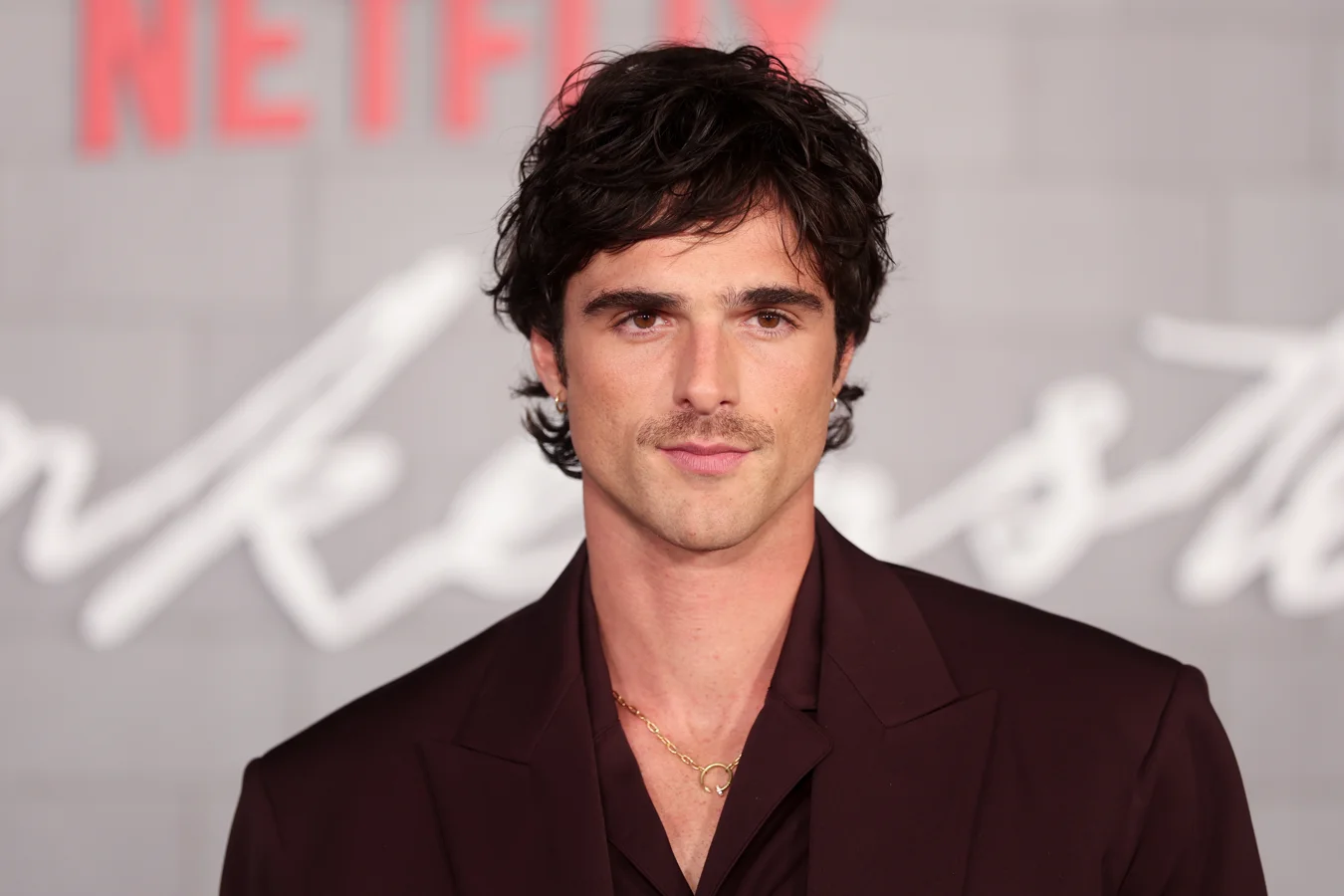
Though the screenplay disappoints, the actor roster delivers commendable efforts to elevate the material. Austin Butler takes on the role of Hank, the film’s central character, bringing his recognizable acting skills to a part that is otherwise underwritten and bland. Despite Hank’s tragic backstory, these elements do not translate effectively on screen, yielding only a couple of weak narrative callbacks that fail to impact the viewer significantly.
Zoë Kravitz appears briefly and looks her trademark stunning self, yet her role is minor and lacks narrative weight, making her presence feel somewhat wasted. Regina King portrays a key figure in the story, but like many others, her character does not carry sufficient development or tension. This undercuts the film’s stakes and dilutes any real sense of danger, a notable flaw for a crime thriller titled “Caught Stealing.” Supporting actors Matt Smith and Liev Schreiber similarly contribute to the atmosphere but cannot overcome the deficiencies within the script.
Directorial Choices and Musical Score Impact
From a directorial perspective, “Caught Stealing” represents Aronofsky’s venture into a new style divergent from his usual body of work, marking a departure for the filmmaker. While this shift is an intriguing concept in theory, in practice, the results fall short of expectations. Rather than offering a fresh perspective, the film comes across as a less effective iteration of a genre that others, especially Guy Ritchie, have mastered with superior flair and originality.
Rob Simonsen’s musical contribution to the film is notably forgettable, failing to establish a mood or underscore the narrative in a meaningful way. Although Simonsen is a prolific composer, he does not provide any standout pieces in this score, which contributes to the overall underwhelming atmosphere of the movie.
Evaluating the Film’s Overall Impact and Market Position
“Caught Stealing” emerges as a misguided experiment in Aronofsky’s career, lacking distinguishing qualities that could make it stand out in an oversaturated market. The film neither reaches the artistic heights typical of Aronofsky’s acclaimed originals nor offers the entertainment value needed to attract a broad audience. Its style-heavy approach, absent compelling storytelling or character depth, renders it a forgettable entry in the crime thriller genre that may struggle commercially.
Given the strip of intense competition within theatrical releases, especially for films that depend on recognizable star power alone, “Caught Stealing” faces challenges securing lasting relevance or commercial success. Its moderate runtime of 107 minutes does little to mitigate the aerodynamic pacing that unfortunately fails to conceal the narrative’s thinness. As such, this Austin Butler crime thriller serves more as an aesthetically pleasing but shallow filler than as a memorable cinematic experience.
Audiences seeking an engaging crime story filled with layered characters and unpredictable twists may find “Caught Stealing” lacking. However, viewers who appreciate visual style and strong acting within an easy-to-follow, low-stakes plot might still find value in watching it as casual entertainment. The film’s availability in theaters provides an opportunity to assess Aronofsky’s directional pivot firsthand and witness performances from a talented cast, albeit within a disappointing framework.
Overall, “Caught Stealing” is a notable moment in Darren Aronofsky’s filmography as an attempt to explore new territory; yet, its failure to replicate the vital elements of its genre peers limits its effectiveness and appeal, serving as a cautionary example of style overshadowing substance in cinema.
