
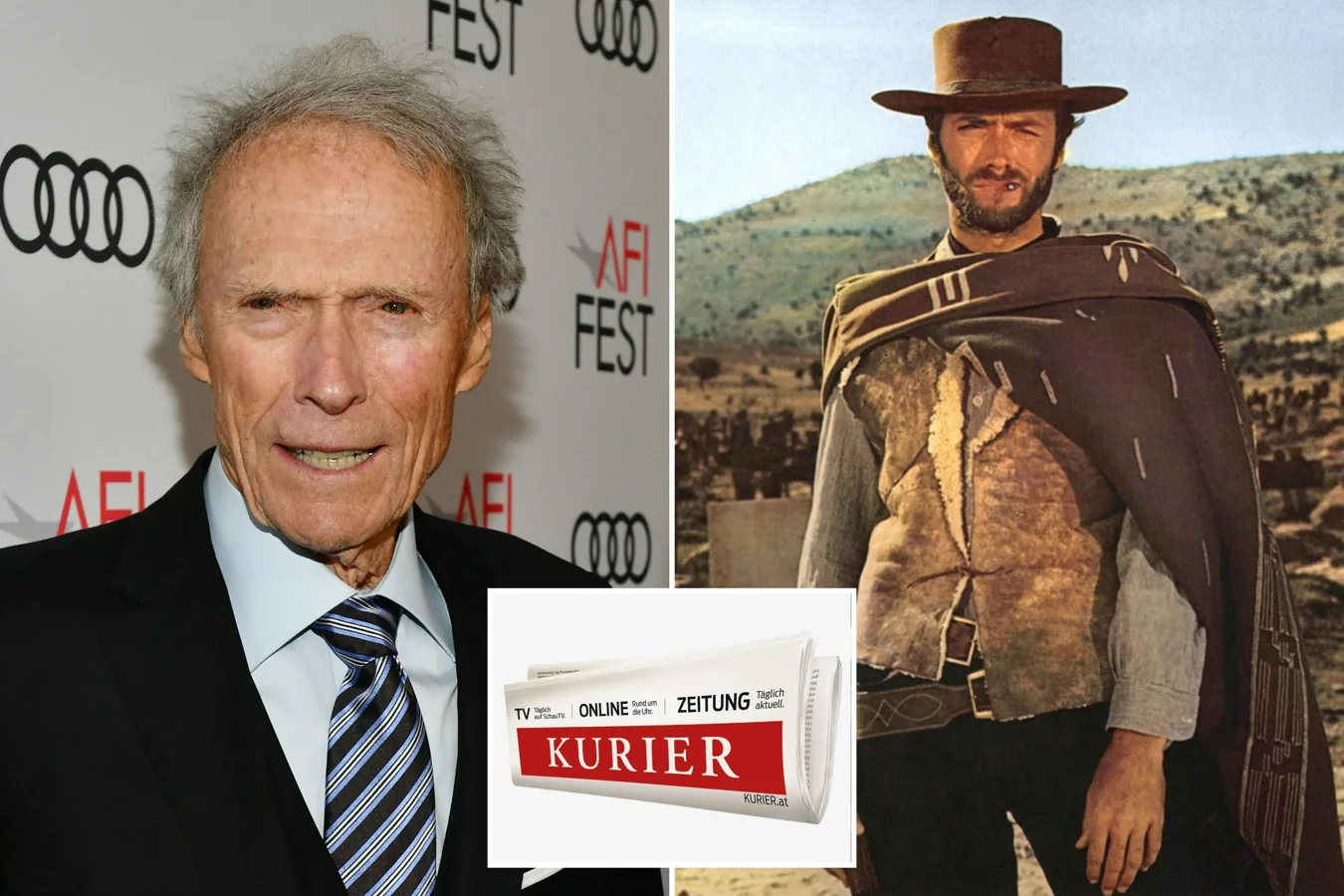
Clint Eastwood, renowned for his iconic western roles and directorial work, has openly shared his strong negative opinion about the film adaptation of Stephen King’s novel, The Shining. Despite the movie’s reputation as a classic in the horror genre, Eastwood voiced his dissatisfaction during a discussion from the early 1980s, revealing why the actor and director found the film unconvincing and lacking in genuine terror.
Eastwood’s Disappointment With The Shining’s Horror Elements
Clint Eastwood was not impressed by the scares in The Shining, which he expressed candidly in a conversation later published in Conversations with Clint: Paul Nelson’s Lost Interviews with Clint Eastwood, 1979-1983. Reflecting on a screening he attended, Eastwood said,
“Unfortunately, the scary parts were not very scary,”
highlighting his belief that the film failed to elicit real fear. He specifically singled out the infamous axe scene aimed at Scatman Crothers’s character, calling it, “dead as a d***.”
While many film enthusiasts and critics laud The Shining as a standout horror movie and a genre classic, this view is not unanimous. Even Stephen King, the author of the original novel, has openly criticized the film. Clint Eastwood’s opinion adds another voice of skepticism towards the movie’s status, challenging the general acclaim it enjoys.
Eastwood also found fault in director Stanley Kubrick’s self-promotion of the film. Kubrick reportedly dubbed The Shining “A masterpiece of modern horror” in marketing materials—a claim that did not come from any external critic but from Kubrick himself. According to Eastwood, studio officials suggested to Kubrick that it might be premature to brand the film as a masterpiece without third-party reviews. Despite this, Kubrick proceeded with this bold tagline, reflecting what Eastwood saw as an overconfidence from the acclaimed director, known for his earlier success with 2001: A Space Odyssey.
Eastwood’s Criticism of Kubrick’s Direction and Filming Process
Eastwood attributed much of his dislike for The Shining to Stanley Kubrick’s directorial style, which he believed contributed to the movie’s shortcomings. Kubrick’s well-known perfectionism led to numerous retakes on set, with some reports claiming that scenes were filmed anywhere from 40 to nearly 90 times. Actor Scatman Crothers recalled this exhausting process, which seemed to drain the energy and spontaneity from the cast.
Eastwood speculated that this repetitive shooting method left the actors
“beaten down by the whole overall thing,”
resulting in performances that felt stiff and lifeless. He contrasted Kubrick’s approach with his own filming philosophy, which favors using the first or second take to capture more natural emotion. Eastwood implied that focusing excessively on minor details might have detracted from the film’s overall impact and atmosphere.
Despite his critique of The Shining, Eastwood acknowledged Kubrick’s earlier accomplishments. He praised Kubrick’s 1956 film The Killing, recognizing it as an example of effective filmmaking. However, Eastwood expressed concern that as Kubrick transitioned to larger-scale productions, his work became increasingly self-indulgent and lost the sharpness that had once defined it.
The Broader Context of Stephen King Adaptations and Industry Reception
The difficulties in adapting Stephen King’s novels to film are well documented, with less than a quarter of his more than sixty adaptations receiving positive reviews, according to aggregate ratings on Rotten Tomatoes. The challenges inherent in translating King’s storytelling to the screen have earned the author a reputation for being “unadaptable” among some viewers and critics alike.
Eastwood’s dislike of The Shining is notable because it runs counter to the movie’s widespread acclaim. Many critics and fans view the 1980 film as a high point of horror cinema, which makes Eastwood’s blunt assessment stand out. His frank comments offer insight into how even celebrated filmmakers can disagree sharply on what constitutes effective horror and what makes a movie truly frightening.
Implications of Eastwood’s Perspective on Classic Horror Films
Clint Eastwood’s critique of The Shining sheds light on the subjective nature of film appreciation, especially within the horror genre. His comments challenge the assumption that the film’s impact is universally accepted and suggest that directorial style and production methods significantly influence how a movie is received by different audiences.
As Stanley Kubrick’s reputation remains largely intact due to his groundbreaking earlier work, Eastwood’s reflections encourage further examination of how perfectionism and lengthy filming processes might affect the emotional authenticity of performances. For fans of Eastwood and those interested in the intersection of filmmaking and horror, his opinion provides a provocative counterpoint to the dominant narrative surrounding The Shining.
Looking forward, this perspective may prompt renewed conversations about how horror films balance technical craftsmanship with genuine emotional impact, influencing both viewers’ expectations and filmmakers’ approaches in future adaptations.
