
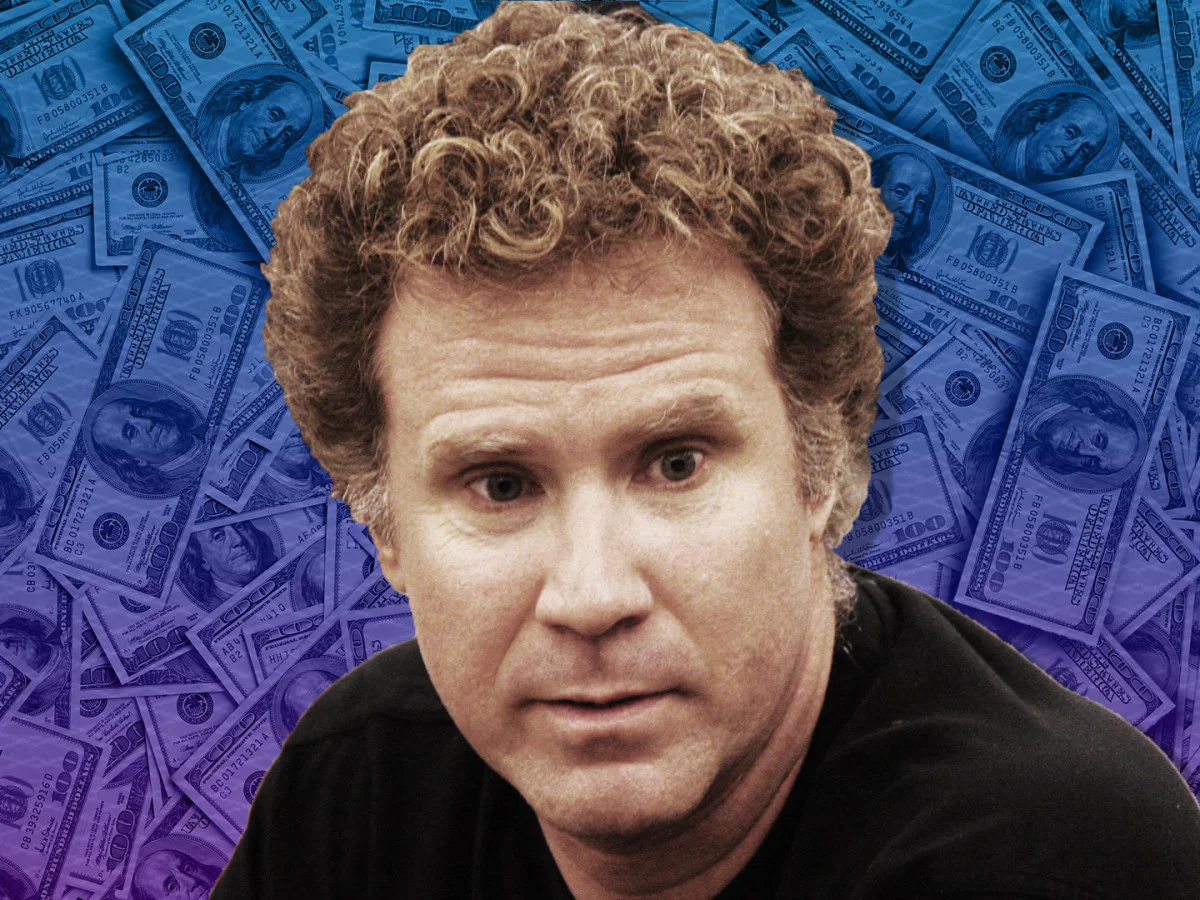
By 2006, Will Ferrell had become a prominent figure in comedy, known for films like Zoolander, Elf, Old School, Anchorman: The Legend of Ron Burgundy, and Kicking & Screaming, as well as his seven-season tenure on Saturday Night Live. However, it was with the film Stranger Than Fiction that Ferrell demonstrated a more nuanced, dramatic side, expanding his range beyond his usual comic roles.
Stranger Than Fiction, which approaches the human experience through an imaginative narrative, featured Ferrell as Harold Crick, a reserved IRS agent who discovers he is the protagonist of a novel destined to end in his death. As the film approaches its twentieth anniversary, it remains difficult to picture anyone else in the role that earned Ferrell a Golden Globe nomination for Best Actor in a Motion Picture – Musical or Comedy. Interestingly, the film’s screenwriter, Zach Helm, revealed that the script was not initially written with Ferrell or any specific actor in mind.
Screenwriter Zach Helm Reflects on Creating Stranger Than Fiction
Zach Helm, the writer behind Stranger Than Fiction, explained that when he drafted the screenplay, he intentionally avoided basing the protagonist on any living actor. Instead, Helm aimed to create a character who seemed out of sync with the world and somewhat timeless in his actions. To shape Harold Crick’s persona, Helm drew inspiration from classic performances by actors like Jimmy Stewart and Jack Lemmon rather than contemporary figures.
I purposefully avoided drafting it based on any working actor at the time in the hopes of creating someone who felt out-of-sync with the world they were in, and perhaps even stuck in a timelessness of their own behavior,
Helm reflected over email.
I looked at Jimmy Stewart and Jack Lemmon roles instead, and imagined what the character would be like if they could play it/develop it. I think Will gives a performance that embodies that idea, to his credit.
While Harold Crick was crafted without a particular actor in mind, the character of Karen Eiffel—the reclusive, chain-smoking novelist notorious for killing her fictional protagonists—was specifically written for Emma Thompson. Helm praised Thompson’s ability to convey both comedic and dramatic elements with equal skill, noting her active involvement in shaping the character by providing feedback on early drafts.
When dreaming up the character of a stuck writer with bad habits and a penchant for death, I knew Emma would be able to hit all the comedy and tragedy in equal parts,
Helm explained.
Emma even gave notes on a draft before it was set up, to better dimensionalize her character. I have always been very proud to have written something she was in, as I consider her a great screenwriter as well as an actor.
From Traffic Jam to Screenplay: The Origin of a Unique Story
The inspiration for Stranger Than Fiction’s central concept emerged during an ordinary moment while Zach Helm was stuck in Los Angeles traffic. Growing bored, he began to narrate his experience in a satirical tone, which triggered the idea of a character who could hear the narration of his own life. This meta narrative device reflected influences from theatrical and literary works such as Luigi Pirandello’s Six Characters In Search of An Author and Italo Calvino’s If on a Winter’s Night a Traveler.
I was so bored, I started narrating my own mundane experience satirically,
Helm recalled.
I admired Six Characters In Search of An Author by Luigi Pirandello and If on a Winter’s Night a Traveler by Italo Calvino, and it occurred to me in that moment that a movie wherein the main character could hear their own narration might be funny.
Helm immediately called producer Lindsay Doran to pitch the fledgling idea, who acknowledged it as a starting point but not yet a full movie. After further reflection, Helm refined the premise to focus on a man who hears his own narrator accidentally revealing that he will die, though not indicating when or how, which secured Doran’s enthusiastic approval.
I was already working on a script with non-traditional storytelling elements in it with Lindsay Doran, the incredible producer, and so I called her immediately and pitched the idea above. She told me it was the start of an idea, but not a movie yet. When I got home I gave it a little more thought and called her the next day, saying, ‘It’s about a guy who hears his own narrator, and it accidentally tells him he’s gonna die, but not when or how.’ She laughed and said, ‘Okay, that’s a movie.’
Developing Stranger Than Fiction into a Full Script
Following the initial breakthrough, the storyline unfolded rapidly in Helm’s mind, with the bulk of the plot taking shape within a few days. Nevertheless, the script required an extended period of development, during which Helm and Doran collaborated to refine the screenplay for production.
The rest of the film came flooding to me,
Helm shared,
and I had it almost completely worked out within a day or two, although Lindsay and I then spent the next year developing it into a script.
Today, Stranger Than Fiction remains accessible through streaming services such as Peacock, continuing to captivate new audiences with its inventive approach to storytelling and Will Ferrell’s standout performance as the unlikely hero of the tale.
