
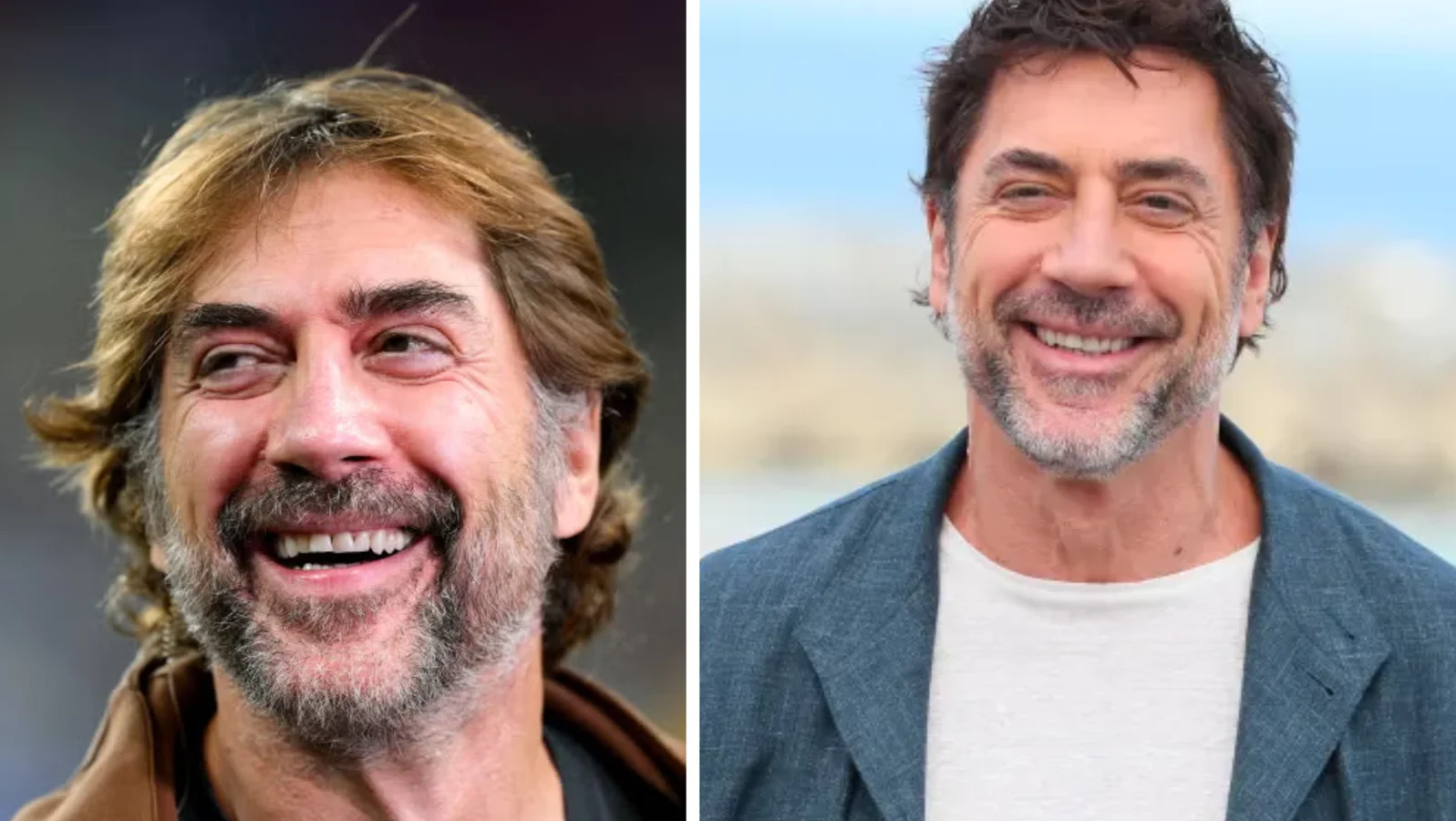
Actor Javier Bardem has publicly expressed his backing for the Film Workers for Palestine pledge, which calls for a boycott of Israeli film institutions. He emphasized that the boycott aims to hold companies and organizations accountable rather than targeting individuals, clarifying this stance during a statement issued to CNN.
“Regarding the Film Workers for Palestine pledge, I want this to be very clear,”
Bardem said.
“We do not discriminate against any person based on their nationality, race, religion, or gender. We of course believe discrimination of any kind is wrong and do NOT support that and have continued to reiterate this. We support holding companies and institutions all over the world accountable, NOT individuals, for their complicity and participation in the genocide of the Palestinian people in Gaza, and the illegal settlement of the West Bank.”
– Javier Bardem, Actor
Wide Industry Support for Boycott Against Israeli Film Entities
Earlier in September, over 3,900 film industry professionals, including prominent filmmakers and actors, signed a pledge to refuse collaboration with Israeli film institutions implicated in alleged human rights violations against Palestinians. This list features high-profile names from Hollywood and beyond, such as Yorgos Lanthimos, Ava DuVernay, Adam McKay, Emma Stone, Olivia Colman, Gael Garcia Bernal, Riz Ahmed, Joaquin Phoenix, and many others.
The pledge accuses Israeli entities of being involved in
“genocide and apartheid against the Palestinian people,”
urging a boycott until the situation changes. This collective response reflects growing concerns within parts of the creative industry about complicity in systemic injustices linked to the Israel-Palestine conflict.
Legal Challenges Raised Against the Boycott
In October, U.K. Lawyers for Israel issued a legal notice to major entertainment companies including Netflix, Disney, Amazon Studios, Apple, and Warner Bros. Discovery. The warning alerted these organizations that participating in the boycott could breach the U.K.’s Equality Act 2010, which prohibits discriminatory practices based on nationality, ethnicity, or religion.
“[The Equality Act 2010] is the key legislation in the U.K. protecting against racism and discriminatory treatment,”
the letter stated.
“If the U.K. television and film industry colludes with acts contrary to this legislation, organizations are themselves likely to be in breach. It also creates a dangerous precedent: one that condones the exclusion of individuals and/or organizations based solely on their nationality, ethnicity, and/or religion.”
– U.K. Lawyers for Israel
Warner Bros. Issues Statement Opposing the Boycott
Warner Bros. responded to the controversy by affirming its commitment to an inclusive work environment and distancing itself from the boycott. The studio warned that participating in such actions would most likely contradict existing internal policies against discrimination.
“Our policies prohibit discrimination of any kind, including discrimination based on race, religion, national origin or ancestry,”
a Warner Bros. spokesperson stated.
“We believe a boycott of Israeli film institutions violates our policies. While we respect the rights of individuals and groups to express their views and advocate for causes, we will continue to align our business practices with the requirements of our policies and the law.”
– Warner Bros. representative
Bardem’s Continued Advocacy for Palestinian Rights
Javier Bardem has emerged as a vocal critic of Israel’s actions in Gaza and the West Bank. At the 2025 Emmys red carpet, he elaborated on his decision to join the Film Workers for Palestine pledge, highlighting his stance against what he describes as genocide.
“Here I am today, denouncing the genocide in Gaza,”
Bardem stated.
“I am talking about the IAGS, the International Association of Genocide Scholars, who study thoroughly genocide and has declared it is a genocide. That’s why we ask for a commercial and diplomatic blockade and also sanctions on Israel to stop the genocide. Free Palestine.”
– Javier Bardem, Actor
Significance and Potential Impact of the Film Workers for Palestine Boycott
The boycott led by Javier Bardem and thousands of industry leaders represents a significant moment in the entertainment community’s engagement with geopolitical issues. By targeting institutions rather than individuals, the movement seeks to exert economic and diplomatic pressure on Israeli companies implicated in the conflict. However, this stance has also sparked legal debate and corporate resistance, especially in markets governed by anti-discrimination laws.
The coming months are likely to reveal how studios, distributors, and production companies navigate the complex landscape of advocacy, legal frameworks, and business interests amid increasing calls for accountability. The controversy highlights the role of cultural workers in global political movements and raises questions about balancing ethical responsibilities with existing legal and commercial obligations.
