
Taylor Sheridan’s 1883 Western stands out as a powerful addition to the expansive universe he has created for Paramount, detailing the origins of the Dutton Ranch through a gripping story set post–Civil War. Released as a limited series, 1883 explores the treacherous journey of settlers from Tennessee to Montana, showcasing Sheridan’s remarkable ability to capture historical realism and complex characters in a way that elevates it beyond his flagship show, Yellowstone.
A Classic Western Approach Anchored in Historical Detail
Unlike Sheridan’s typical neo-Western style, which places Western themes in modern contexts, 1883 embraces the traditional genre set directly after the Civil War. The story follows a wagon trail heading westward, beginning in Tennessee and traveling through Texas, Oregon, and ultimately into Montana. At the forefront is Shea Brennan, played by Sam Elliott, a seasoned cowboy wrestling with personal loss after his wife and child succumbed to illness. Brennan’s experience navigating the dangers of this expedition offers a grounded portrayal of survival, leadership, and resilience amid the hostile frontier.
Brennan’s stewardship of the group is challenged repeatedly, as many of the travelers lack the skills necessary to endure such an arduous journey. Though determined to lead alone, Brennan forms a reluctant alliance with James Dillard Dutton, portrayed by Tim McGraw, a former Confederate captain reunited with his wife Margaret (Faith Hill) and daughter Elsa (Isabel May) after a reunion in Fort Worth. The series explores tension not only from nature and hostile factions but also within these imperfect leaders’ uneasy relationship shaped by their opposing Civil War allegiances.
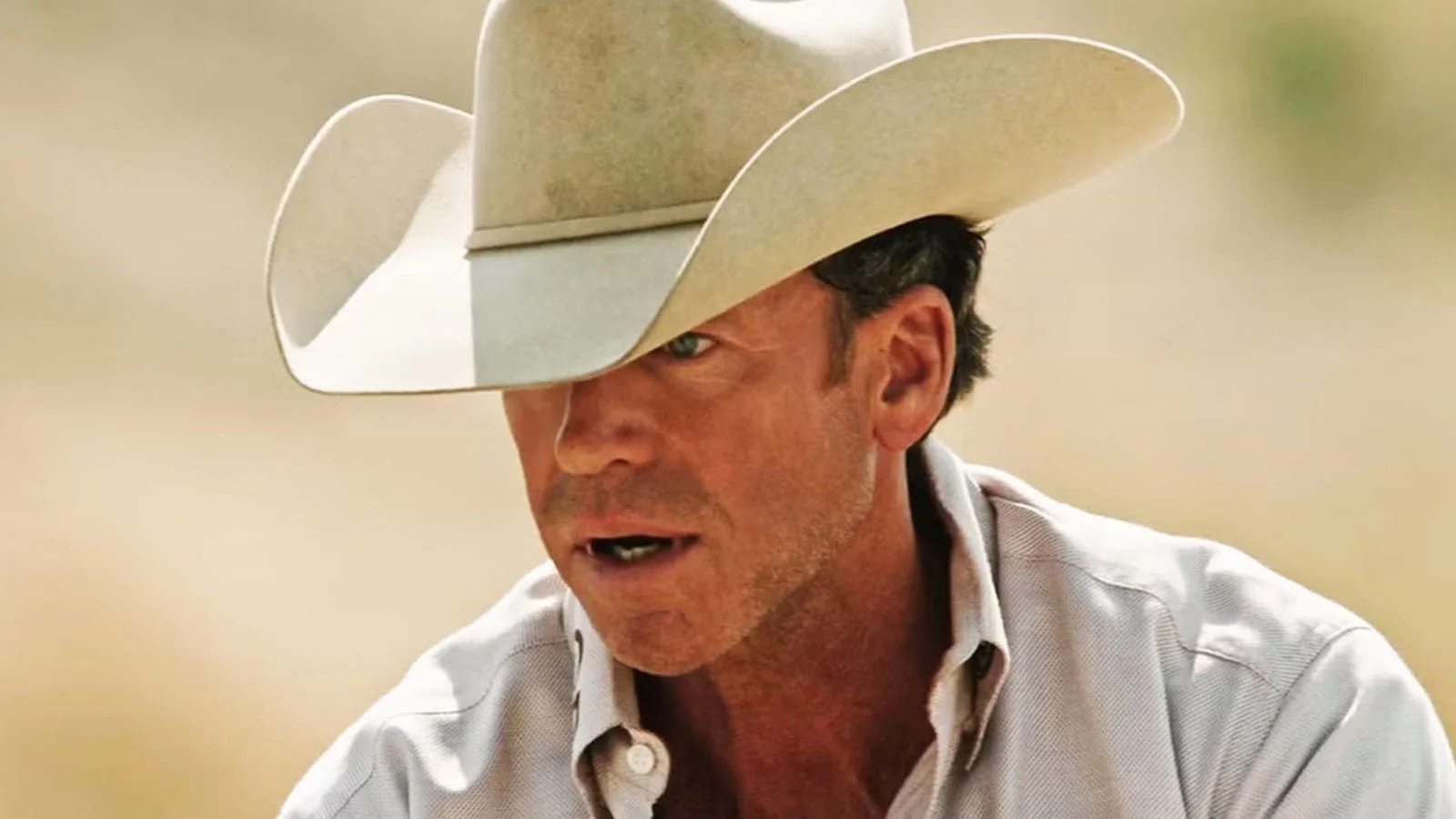
Sheridan has often drawn criticism for glorifying aggressive, hard-edged protagonists, such as Tommy Norris from Landman or Dwight Manfredi in Tulsa King. However, Elliott’s Shea Brennan provides a more vulnerable, nuanced hero shaped by both battlefield trauma and heartbreaking personal loss. This sensitive characterization stands out as one of Sheridan’s most profound, allowing viewers to connect deeply with a man hardened by violence yet motivated by loyalty and responsibility.
“Sheridan’s shows aren’t going away anytime soon, either, as he has many new programs in active development.”
– this intensity resonates over the series as Brennan grapples with his distrust of James Dutton, whose Confederate past contrasts sharply with Brennan’s Union Army background, adding layers to their uneasy cooperation under the constant threat of survival.
A Focused and Intimate Journey Through American Frontier Life
The limited ten-episode run of 1883 allows the story to maintain a clear, steady trajectory toward its ultimate goal: the establishment of the Dutton Ranch. This tight focus ensures minimal distraction from the central narrative and deepens emotional investment in the characters’ struggles and growth. Unlike the sprawling storylines typical of Sheridan’s other series, which often feature multiple side plots, 1883 maintains a refined intensity that keeps viewers engaged through every challenge faced by the pioneers.
Among the series’ strengths is its well-developed ensemble cast and an emphasis on female perspectives rarely seen in Sheridan’s earlier work. While young Elsa Dutton’s romantic encounters provide lighter moments, her journey toward becoming a strong cowgirl and leader anchors much of the story’s emotional core. Isabel May’s narration, which frames much of 1883, later continues in both 1923 and Yellowstone, reinforcing her role as a connecting thread throughout Sheridan’s saga.
“The show centers Isabel May’s character as the true protagonist of the series when she embraces becoming a cowgirl and leader.”
This portrayal highlights Sheridan’s commitment to portraying varied American experiences. The series creates rich cultural interactions among the different immigrant groups within the wagon train, showing how messages and traditions clash and blend. Additionally, 1883 presents Native American tribes with care and distinctiveness, avoiding reductive generalizations and emphasizing the complexity of frontier relationships.
The journey’s geographic diversity—from Tennessee through Texas and Oregon to Montana—further enhances pacing and atmosphere, preventing the story from feeling static. While knowledge of Yellowstone offers added depth, 1883 provides satisfying closure for newcomers, presenting the frontier’s grueling reality and the trials necessary to carve out a new life.
How 1883 Sets the Stage for Future Installments and Shapes Sheridan’s Legacy
As the oldest installment in the Yellowstone timeline, 1883 plays a vital role in laying narrative groundwork for subsequent series like 1923, which stars Harrison Ford and Helen Mirren. The historical context and character foundations established here enrich viewers’ understanding of the Dutton family legacy and the ongoing battle to preserve their ranch. Sheridan’s meticulous attention to historical accuracy and character development ensures that 1883 remains more than just a prequel; it is a standalone story of endurance and hope.
Sheridan’s success with this self-contained western experiment reinforces his reputation as one of the most influential creative forces in television today, capable of crafting compelling stories that respect tradition while pushing boundaries. The series’ departure from sprawling ensemble dramas toward a tighter, more emotional journey highlights Sheridan’s versatility and determination to innovate within his own franchise.
“1883 showed that Sheridan wasn’t content to just play the old hits and could do something innovative and experimental within the franchise that he crafted.”
This bold approach suggests that Sheridan’s future projects might continue exploring fresh storytelling methods, promising an evolving and dynamic Paramount universe for years to come.
Ultimately, 1883 stands as a powerful testament to the enduring spirit of the American West and the characters who fought to claim it, delivering an emotionally resonant and richly textured tale that outshines its predecessors in both scope and heart.
