
In Noah Baumbach’s latest film, George Clooney plays Jay Kelly, a veteran movie star reflecting on his life and career as he prepares to accept a lifetime achievement award in Italy. The film explores Jay Kelly’s struggles with fame, family, and identity, though its scattered narrative makes it difficult to fully grasp its ambitions.
A Veteran Actor Reflects on Life and Legacy
Jay Kelly has spent 35 years in the film industry, and the story follows him as he revisits his past and contemplates the meaning of his career and personal life. When his longtime mentor and friend Peter Schneider, portrayed by Jim Broadbent, passes away, Jay begins to reassess the choices he has made. Though he has achieved great success on screen, he has paid a price with damaged family relationships, especially with his two daughters, Jessica and Daisy, played by Riley Keough and Grace Edwards. His manager Ron Sukenick, played by Adam Sandler, remains steadfastly by his side, blurring the lines between professional obligations and genuine friendship.
Early in the film, Jay reunites with Timothy, a former acting colleague from his younger years, played by Billy Crudup. Timothy resents Jay for what he believes was the theft of his own chance at stardom and has since left acting behind to become a child psychologist and raise a family. Their tense encounter sets Jay on a journey of self-examination, including a trip to Europe where he intends to spend time with his estranged daughter Daisy, while also reflecting on his life and impending honors.
The Film’s Struggle to Define Its Purpose
Jay Kelly attempts to portray the challenge of being oneself in the public eye, yet this theme is never fully realized due to the film’s unfocused approach. While the title character is shown as charismatic but selfish, with a career that has overshadowed his family life, the movie rarely probes beyond surface-level regrets. Baumbach’s film shares structural and stylistic nods to classics such as Robert Altman’s The Player and Federico Fellini’s 8½, incorporating overlapping dialogue and introspective sequences set in Italy. However, unlike those films, it lacks the depth to meaningfully explore the sacrifices involved in creating art or the toll of celebrity.
The screenplay by Noah Baumbach and Emily Mortimer, who also appear briefly in the film, is overcrowded with characters and subplots that receive little development. Jay’s large entourage includes an array of acquaintances whose roles remain vague, and his chance encounters during a European train journey introduce even more faces with limited context. Key relationships such as those between Jay and his manager Ron, or his publicist Liz (Laura Dern), are touched upon but not expanded enough to contribute significantly to the narrative. This fragmented storytelling mirrors Jay Kelly’s fractured view of his past, but results in a disjointed film that tosses many ideas at the screen without fully engaging any single one.
One of the film’s more intriguing concepts is its exploration of how different people can recall the same event differently. Jay’s rivalry with Timothy reveals divergent perceptions of a shared moment that shaped their lives. Similarly, Jay fondly recalls an experience with a former co-star that may not have been as meaningful to her. This theme of subjective memories stands out as one of the film’s few consistently strong elements amid the scattered narrative.
George Clooney’s Performance and Adam Sandler’s Scene-Stealing Role
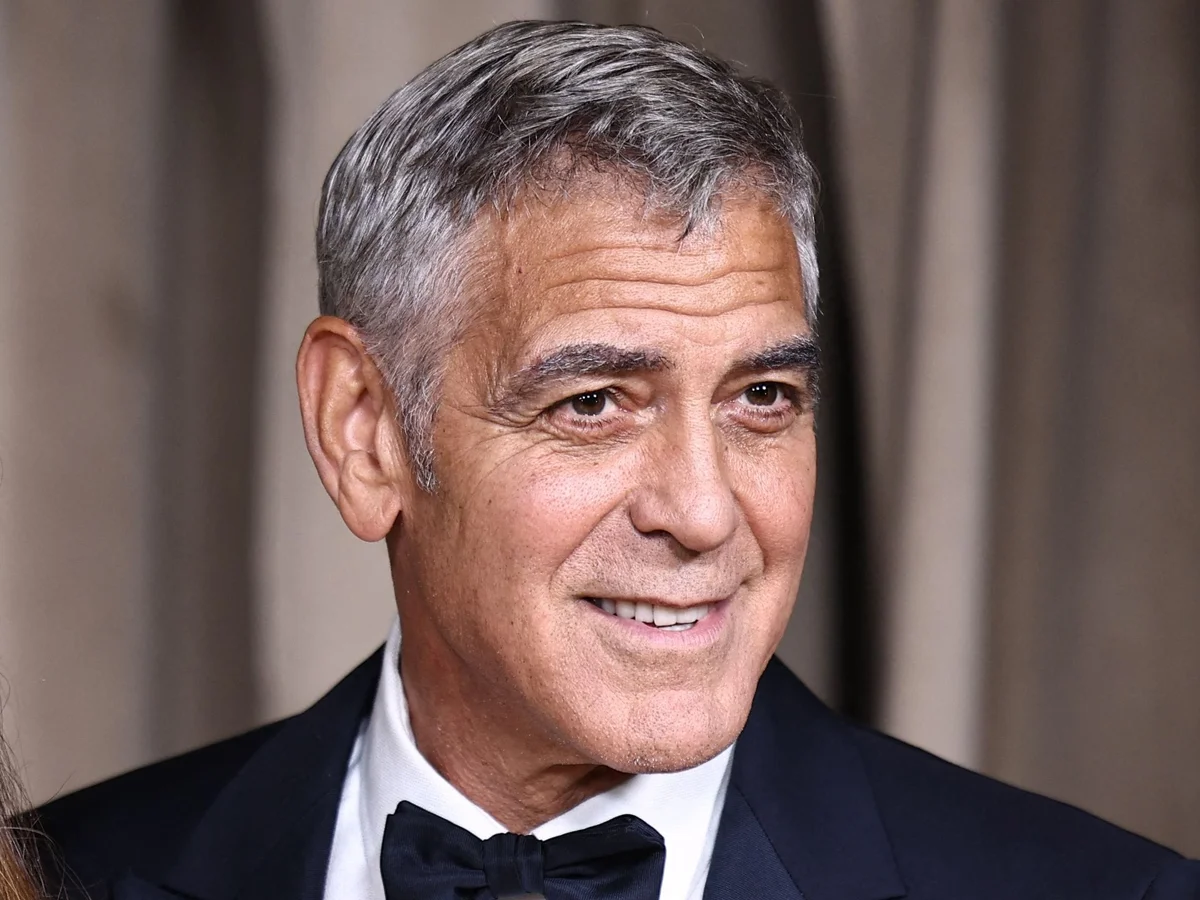
George Clooney embodies Jay Kelly with his trademark blend of charm and understated vulnerability, capturing the image of a fading movie star who remains likable despite his flaws. Clooney’s performance highlights Jay’s tendency to put his career above personal relationships, yet it refrains from delving deeply into the character’s darker traits, such as his failings as a father and friend. The film avoids a serious critique of the entertainment industry, instead leaning toward a more surface-level portrait of celebrity.
The movie occasionally blurs the lines between Jay Kelly and George Clooney by inserting clips from Clooney’s real filmography as stand-ins for Kelly’s roles, creating a meta-layer that feels forced and somewhat unconvincing. Unlike Kelly’s fictional regrets and complications, Clooney is known for balancing his professional success with a stable family life, making the comparison somewhat strained.
While Clooney anchors the film well, the standout performance belongs to Adam Sandler as Ron Sukenick. Sandler’s portrayal captures the complexity of Ron’s relationship with Jay, revealing a mix of loyalty, frustration, and heartfelt care that resonates throughout the story. As Jay embarks on his reflective European journey, Ron questions whether Jay is running from or toward something, to which Jay pithily answers, “Yes.” Sandler’s nuanced emotional delivery forms the emotional core of the film, overshadowing even Clooney’s leading role at times.
Evaluating ‘Jay Kelly’s’ Broad Ambitions
Despite its attempts to offer a moving and thoughtful meditation on aging, celebrity, and personal regret, Jay Kelly struggles to maintain focus or depth. Its mixture of tones and fragmented storytelling leaves many promising ideas underdeveloped, turning a potentially powerful exploration into a loosely connected series of moments. The film’s refusal to fully engage with the complexities of its protagonist’s flaws prevents it from becoming the poignant character study it hints at being.
Premiering at the Middleburg Film Festival, Jay Kelly opened in select theaters on November 14 and became available for streaming on Netflix starting December 5. Though its narrative is scattered, the film offers insights into how celebrity shapes memory and identity, with Sandler’s performance providing some of its most memorable moments.
