
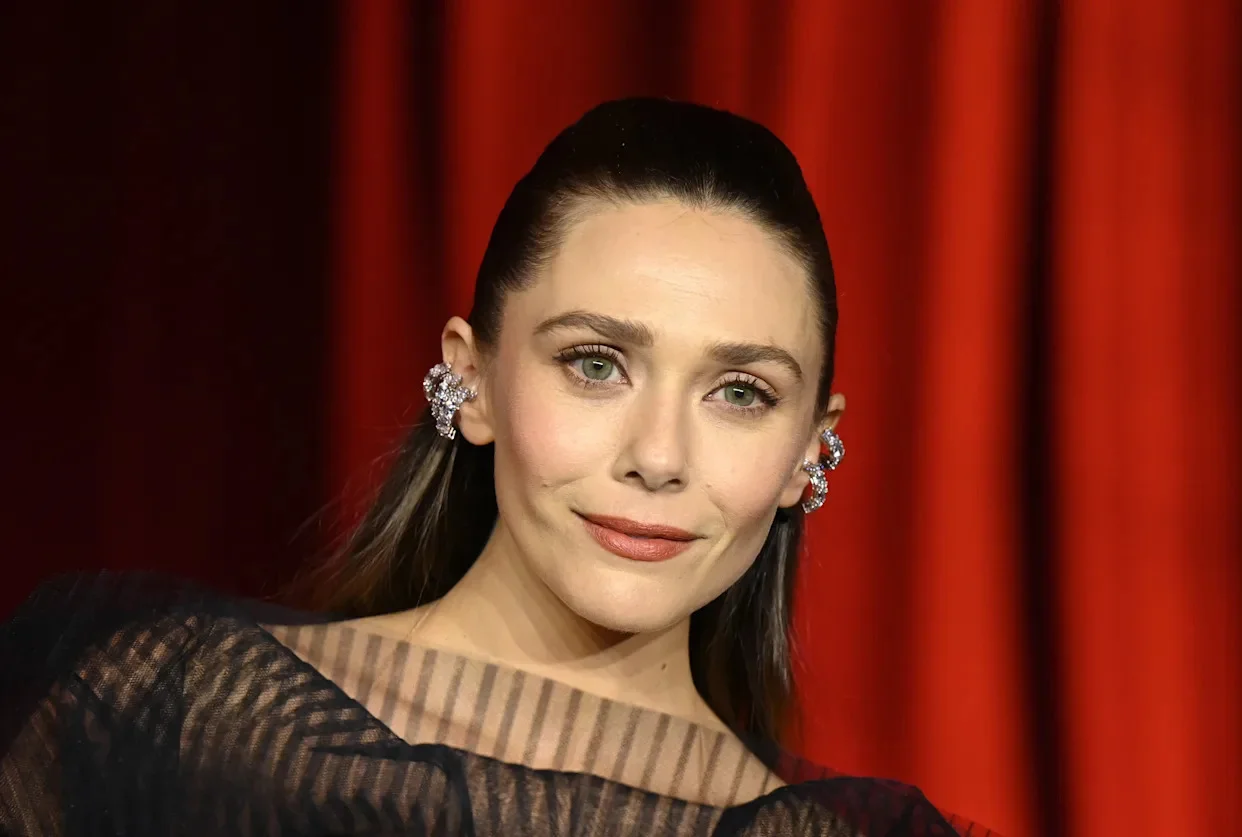
Elizabeth Olsen has openly expressed her discomfort with the increasing trend of studios prioritizing streaming releases over theatrical showings, making it clear she is reluctant to participate in big studio films designed solely for streaming platforms. While Olsen is open to working on independent films that may end up streaming, she emphasizes the importance of films being experienced together in theaters, highlighting her preference for in-person community engagement.
Olsen recently shared in an interview with InStyle Magazine,
If a movie is made independently and only sells to a streamer, then fine. But I don’t want to make something where [streaming is] the end-all,
Elizabeth Olsen stated.
I think it’s important for people to gather as a community, to see other humans, be together in a space. That’s why I like sports. I think it’s really powerful for people to come together for something that they’re excited about. We don’t even audition in person anymore.
Industry Shifts and Studio Decisions Strain Traditional Theater Releases
Olsen’s comments come amid ongoing tensions between filmmakers and studios about the fate of theatrical premieres. Notably, director Doug Liman publicly clashed with producers when his remake of Road House, starring Jake Gyllenhaal, was removed from theaters and released exclusively on Amazon Prime Video, against his wishes. Liman protested by boycotting the South by Southwest (SXSW) premiere, which subsequently influenced casting decisions for the sequel, including Guy Ritchie’s brief involvement.
This pattern of last-minute streaming shifts adds frustration for creatives committed to theatrical distribution, complicating their efforts to promote and celebrate their work on the big screen.
Challenges Actors Face with Auditioning and Industry Practices
Olsen also touched on the challenges actors face in the current casting environment, particularly the decline of in-person auditions. Many actors are now required to submit self-taped auditions without direct interaction, which Olsen views as diminishing the personal connection essential to the craft and increasing the difficulties performers endure during casting processes. This change underlines broader shifts in the entertainment industry accelerated by technology and the pandemic.
Upcoming Projects Highlight Olsen’s Diverse Roles Amid Industry Changes
Looking ahead, Elizabeth Olsen will appear in several notable projects that reflect her varied interests. She stars in Panos Cosmatos’s period vampire film Flesh of the Gods, alongside Kristen Stewart and Oscar Isaac. Additionally, she features in Sean Durkin’s FX series Seven Sisters and will return to theaters on November 26 with Eternity, a rom-com with afterlife themes directed by David Freyne and produced by A24.
Despite speculation online about a potential return as Wanda Maximoff in a new theatrical Marvel movie, Olsen’s recent remarks suggest the MCU is not at the forefront of her focus. She even admitted to forgetting she recorded lines for the animated miniseries Marvel Zombies, reflecting her ambivalence or busy schedule regarding current Marvel projects. Whether audiences will see Wanda again remains uncertain, with Doctor Strange in the Multiverse of Madness cited as a possible avenue for her character’s return.
The Broader Impact of Olsen’s Streaming Perspective on the Film Industry
Elizabeth Olsen’s stance highlights a growing divide in Hollywood between streaming’s convenience and theaters’ communal experience. Her preference for theatrical releases signals support for preserving cinema’s social and cultural significance. While independent and smaller-scale projects may comfortably reside on streaming services, Olsen’s position challenges studios to consider the long-term effects of minimizing theatrical runs on both artists and audiences.
As the entertainment landscape continues evolving, voices like Olsen’s may influence studios to strike a balance, potentially encouraging more films to premiere where audiences can gather physically. For actors, directors, and fans alike, this could mean preserving opportunities for shared experiences that foster connection beyond screens at home.
