
Robert Redford’s legacy in Hollywood is deeply intertwined with the work of director Sydney Pollack, who influenced much of Redford’s career from the 1970s onward. Their collaborations spanned decades, shaping Redford’s roles and choices within a rapidly evolving film industry. This partnership helped define Redford’s public image and professional identity, a connection highlighted by their early work on films like Jeremiah Johnson, filmed during a transformative era for American cinema.
Redford’s name is synonymous with the Sundance Institute and its internationally renowned film festival, but his Hollywood journey was shaped long before this. Though Redford rose amid the New Hollywood wave—a time when filmmakers like Martin Scorsese and Francis Ford Coppola revolutionized cinema—his most frequent collaborator was Sydney Pollack. Pollack’s style and approach provided a counterpoint to the brash, often raw intensity of other directors of the period, emphasizing craftsmanship and actor-driven storytelling.
Redford’s Rise During the New Hollywood Movement
The 1970s saw Robert Redford emerge in a cinematic landscape filled with experimentation and reinvention. Unlike contemporaries who worked with giants such as Steven Spielberg and George Lucas, Redford’s formative years centered on collaborations with Pollack, as well as George Roy Hill and Michael Ritchie. This period marked the foundation of Redford’s star power while reflecting the shifting aesthetics of New Hollywood, a movement that challenged studio conventions and embraced more personal, character-focused stories.
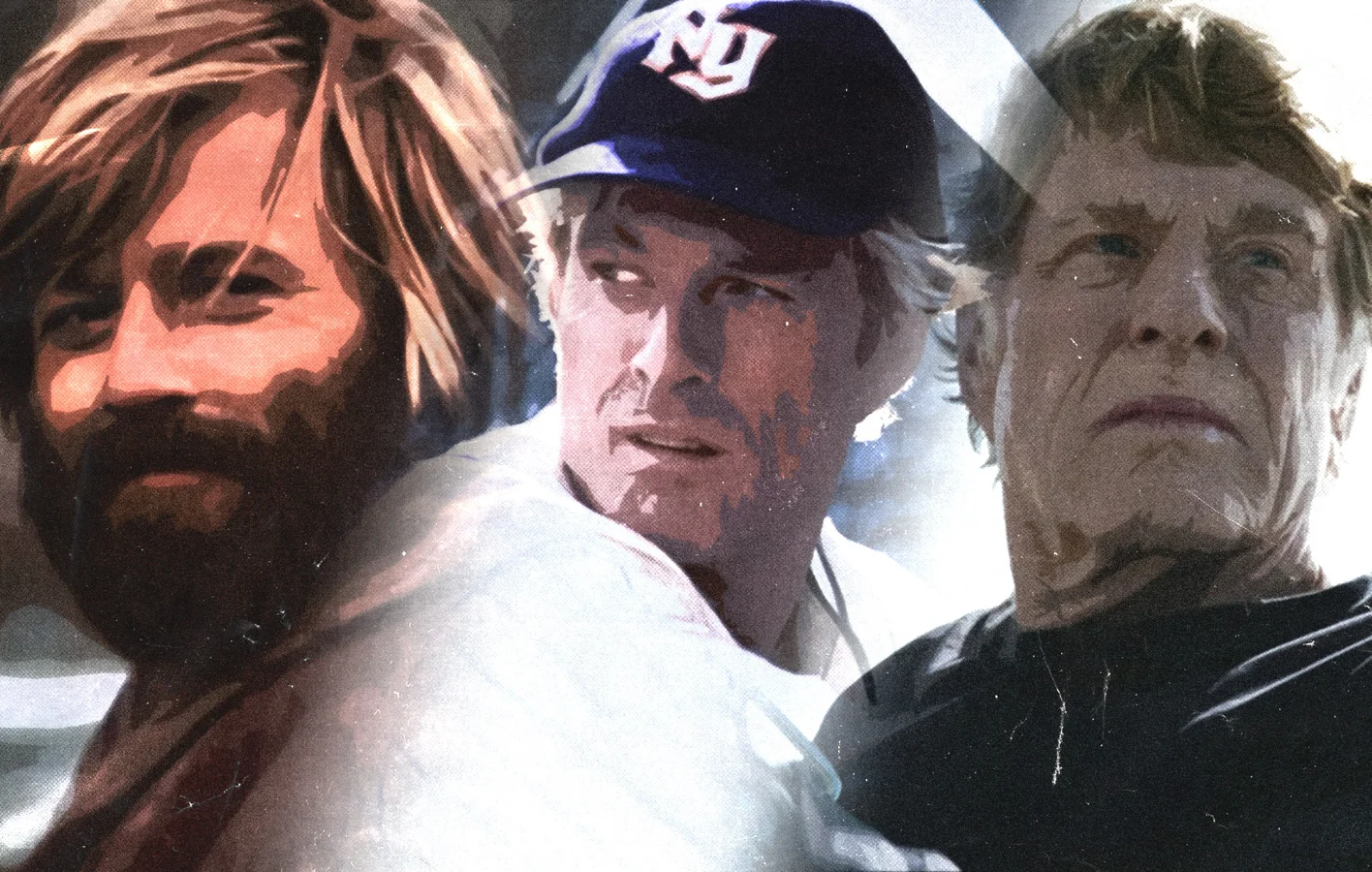
Redford’s association with iconic films like Butch Cassidy and the Sundance Kid, directed by Hill, positioned him at the heart of American cinema’s reinvention. Yet even as other stars such as Al Pacino and Robert De Niro honed their craft under more iconoclastic auteurs, Redford’s career path remained closely linked to Pollack’s steadier, actor-centric filmmaking style. This partnership supported Redford’s evolution from leading man to influential filmmaker and industry figure.
Key Pollack Films Shaping Redford’s Career
Among their several projects together, Jeremiah Johnson and Three Days of the Condor stand out as defining works of Redford’s career. Jeremiah Johnson captured a raw yet reflective portrait of a man’s solitary journey into the American wilderness, blending Western motifs with more subdued storytelling than typical for the genre. As Pollack originally met Redford on the set of War Hunt in 1962, their longstanding collaboration was rooted in mutual respect for performance and storytelling.
Three Days of the Condor expanded Redford’s range into political thrillers, merging paranoia with commercial appeal. While Redford’s later roles would revisit similar espionage themes through films like Sneakers and Spy Game, Three Days of the Condor remains especially notable as a product of their collaborative synergy during the mid-1970s. Pollack’s ability to balance atmospheric tension with character nuance provided Redford with distinctive vehicles to explore varied genres.
Jeremiah Johnson’s Unique Place in New Hollywood
Jeremiah Johnson, released in 1972, was an unusual film for its time, blending Western elements with a meditative look at isolation and survival. Unlike the more overtly critical Western McCabe and Mrs. Miller, Jeremiah Johnson avoided deconstructing myths in favor of observing the harsh realities facing its protagonist. The film’s slower pace, combined with moments of vivid action and striking cinematography, encapsulated the distinct buffer between Pollack’s vision and conventional genre storytelling.
Notably, the film employed storytelling devices uncommon then, such as an overture and intermission, adding to its distinctive rhythm. Though the younger audience might have found it dull, the film’s subtlety and emotional depth became more appreciated over time. Pollack’s background as an actor himself helped him work intimately with Redford, creating a performance that emphasized internal struggle rather than spectacle.
Pollack’s Style and Influence on Redford’s Artistic Choices
Sydney Pollack was renowned as a journeyman filmmaker who balanced commercial success with strong performances, evidenced by his diverse filmography including the celebrated Tootsie. His collaboration with Redford capitalized on his skill to nurture nuanced portrayals, often emphasizing the actor’s emotional truth over flashy direction. This actor-director rapport was central to sustaining Redford’s authority in Hollywood amidst the shifting tides of new directorial voices emerging in the 1980s and 1990s.
Though Pollack was not part of the more avant-garde cornerstones of New Hollywood, his films granted Redford some of his most memorable roles. Their frequent team-ups underscored a mutual trust that allowed Redford to expand his screen presence while eventually moving towards directing and championing independent film through Sundance.
The Lasting Impact and Future Implications of Their Collaboration
The collaboration between Robert Redford and Sydney Pollack not only established key markers in Redford’s storied career, it also influenced the broader film industry’s recognition of actor-director partnerships. Pollack helped foster a stable creative home amidst Hollywood’s rapid changes, ensuring Redford’s gradual transition into behind-the-scenes leadership and festival advocacy.
As the industry evolves with digital media and new filmmaking trends, their work remains a testament to the power of long-term artistic relationships. The films they created together continue to resonate, exemplifying a melding of traditional craftsmanship and nuanced storytelling. Future retrospectives or commemorations of Redford’s career will undoubtedly revisit the Pollack collaborations as essential chapters in his cinematic legacy.
“Jeremiah Johnson isn’t deconstructing Western myths so much as observing, with a clear eye, a man living out a lonelier version of them.”
Sydney Pollack, Director
“The many ways that Jeremiah Johnson departs from the charm of Butch Cassidy are features, not bugs.”
Sydney Pollack, Director
“I actually met Robert when both men appeared in the film War Hunt in 1962.”
Sydney Pollack, Director
