
The finale of Peacemaker Season 2 introduced Salvation, an interdimensional alien planet converted by ARGUS into a prison for metahumans, significantly expanding the DC Universe’s storyline. In the closing moments, Christopher Smith becomes Salvation’s first prisoner, stranded on this strange world amid eerie cries from unknown creatures. This sparked widespread fan speculation that the sounds belonged to parademons, setting the stage for an eventual Darkseid appearance in the DCU. However, James Gunn has clarified that Darkseid will not feature in the current DCU Salvation storyline.
James Gunn Addresses Darkseid’s Role in the DCU
Discussing the implications of Salvation on the DCU’s future with New Rockstars, James Gunn was clear about Darkseid’s involvement at this stage.
“Using Darkseid as the big bad now is not necessarily the thing … because for a lot of reasons,”
Gunn explained. He referenced Zack Snyder’s previous portrayal of Darkseid and noted the impact of Marvel’s Infinity Saga, saying,
“Zack [Snyder] did it so cool in his way and because of Thanos and Marvel.”
This suggests Gunn and his team want to avoid retreading familiar territory.
Why Darkseid Is Not Being Featured in Current DCU Plans
Although the association between Salvation and Darkseid’s parademons made for a compelling theory grounded in comic lore, Gunn’s decision to exclude the villain for the foreseeable future appears strategic. The DCU is still establishing its unique identity within the competitive landscape of shared cinematic universes, seeking to diverge from both the DC Extended Universe’s previous iterations and Marvel’s successful Infinity Saga. By sidestepping Darkseid for now, Gunn hopes the DCU can develop original narratives that stand independent of prior interpretations. This does not rule out Darkseid’s eventual introduction, but it may be reserved for a time when earlier DCEU and Marvel storylines are less prominent in audiences’ minds.
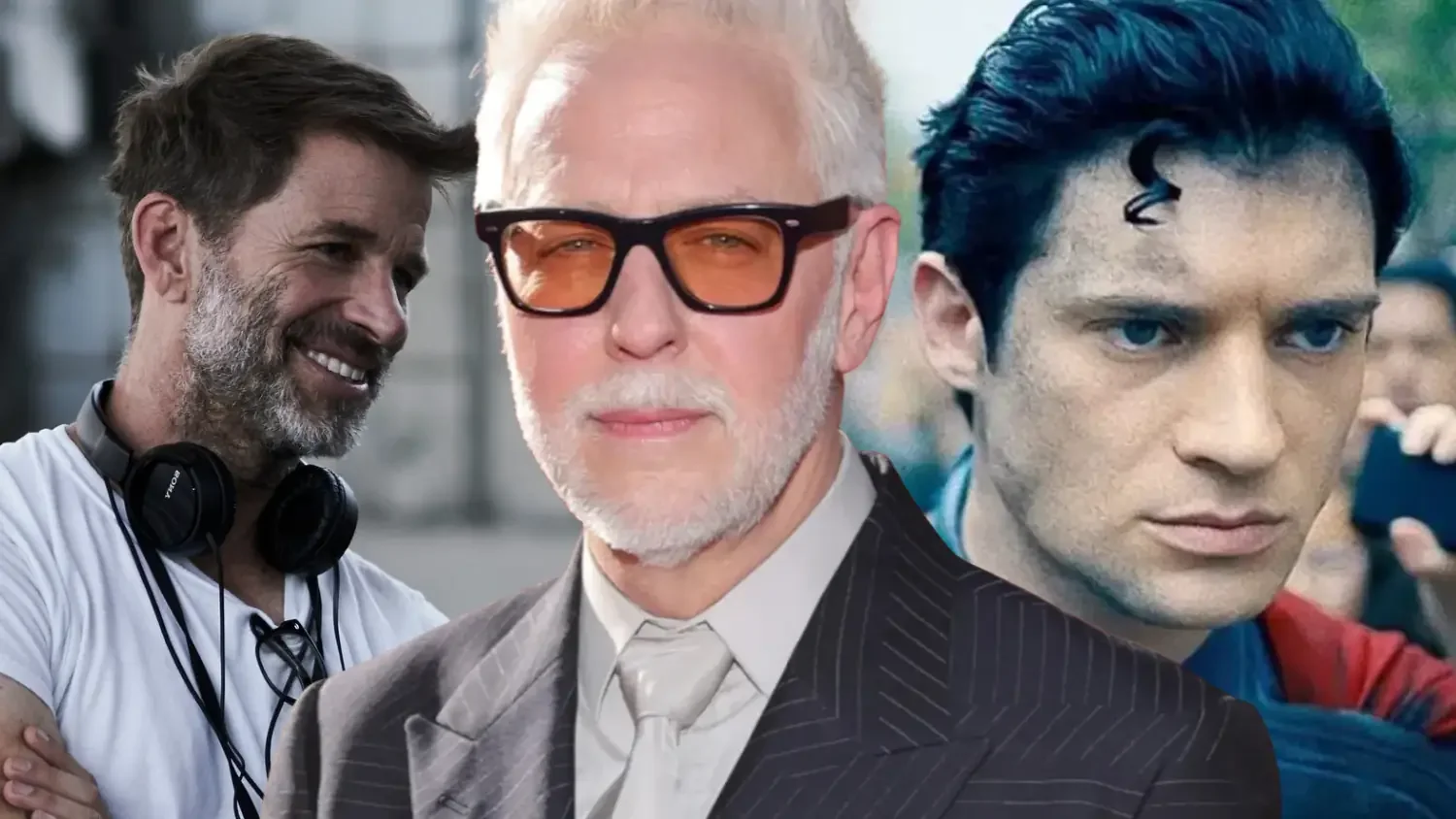
Fans should also take note that the DCU won’t simply replicate the Salvation Run comic arc, which involved a supervillain civil war between Lex Luthor and the Joker. Instead, Gunn seems intent on selecting specific elements from Salvation’s concept, notably the idea of a metahuman prison, and integrating them into fresh storylines. The prison setting will be central in upcoming projects such as Man of Tomorrow, which explores tensions between the U.S. government and metahumans. Characters like Lex Luthor working alongside Rick Flag Sr. are expected to deepen the political and moral conflicts inherent in this narrative. When Superman becomes aware of Salvation, he likely will confront ARGUS’s methods.
Implications for Superman’s Future and Potential Villains
Gunn’s comments also dispel one major fan theory regarding the antagonistic force prompting Superman and Lex Luthor’s uneasy alliance. Some hypothesized that an invasion by Darkseid’s parademon army would necessitate such an alliance. Given Darkseid and his forces are not currently involved, alternative villains will take center stage. Theories around Brainiac have gained renewed attention, especially since only a handful of supervillains possess the power to drive such a fragile partnership between Superman and Lex. Brainiac fits that description in the DC Comics canon, making him a logical adversary in the evolving storyline.
The Role of Salvation as a Central Conflict in the DCU
With Darkseid removed from immediate involvement, Salvation’s use as a metahuman prison appears to be the narrative thread James Gunn is most interested in developing. This concept opens avenues to explore complex themes like the ethics of incarceration, authority, and rehabilitation within the DCU. Rick Flag Sr.’s leadership of ARGUS could be scrutinized for potential abuses of power, while Superman’s desire to keep criminals off the streets may conflict with more empathetic views on second chances and redemption.
This tension between justice and mercy could become a foundation for several DCU projects throughout the “Gods and Monsters” saga. By focusing on the nuanced morality surrounding Salvation, Gunn is creating space for stories that question what true justice means in a world of metahumans. This approach promises a serious, contemplative tone aligned with the DCU’s effort to forge a distinct identity.
As the DCU progresses, viewers can expect Salvation to remain a significant element driving drama, conflict, and character development. Whether through films or television series, this setting will likely challenge heroes and villains alike, forcing them to navigate shifting alliances and ethical dilemmas.
James Gunn’s clarification helps reset fan expectations around Darkseid’s presence and emphasizes the DCU’s intent to innovate rather than imitate. Future updates will reveal how Salvation and its inhabitants expand the universe, setting the stage for new threats and alliances.
