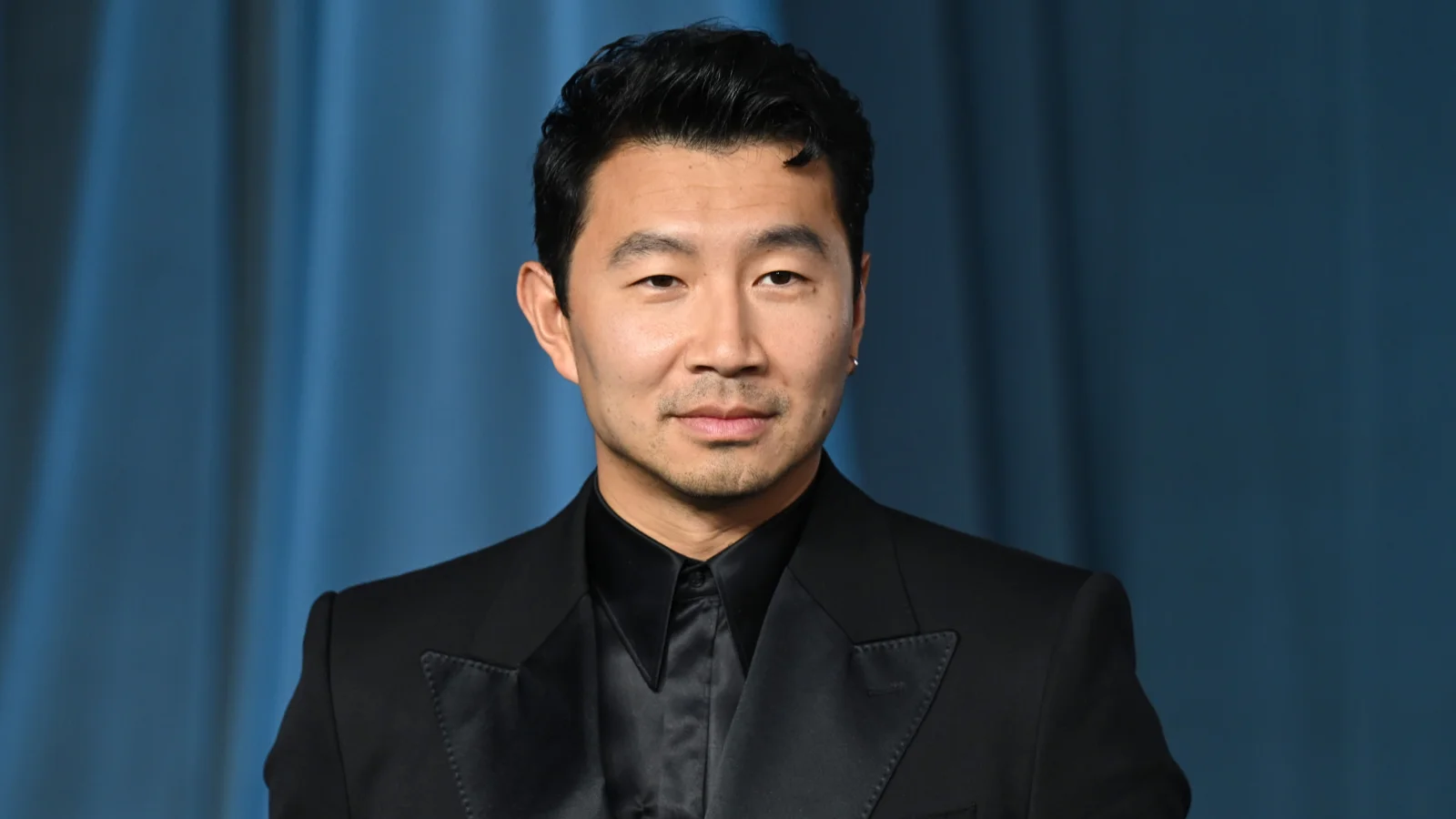
Simu Liu discusses The Copenhagen Test at NYCC 2025 panel. [Image Source: ALAMY]
Peacock’s upcoming series, The Copenhagen Test, starring Simu Liu, brings a fresh vision to the spy thriller genre by mixing espionage with hard science fiction elements. At New York Comic Con 2025, co-showrunners Thomas Brandon and Jennifer Yale, alongside Liu himself, revealed details about the show’s innovative premise, which follows a first-generation Asian American intelligence analyst embroiled in a suspenseful, near-future conspiracy. The series, set to debut December 27, 2025, harnesses advances in technology and geopolitics to explore espionage with an urgent, unsettling edge.
Plot and High-Tech Spy Elements Shape a New Genre Experience
The Copenhagen Test centers on Alexander Hale, whose brain is wired with nanomachines transforming his senses into surveillance tools. This direct neural hacking redefines traditional espionage, challenging not just his safety but the very nature of identity and privacy. Showrunner Thomas Brandon highlighted,
“One of the things I thought about, being a lover of the genre of sci-fi, is that this is the prequel to a lot of sci-fi stories you love. This is the technology they would have to perfect in order to do a memory transfer or a consciousness transfer or any of those— like telepathy.”
Such cutting-edge concepts anchor the series in scientific plausibility, elevating the drama beyond standard spy fare.
Balancing Engaging Twists with Grounded Storytelling
Instead of relying on the typical “whodunit” formula, the creators focus on the “whydunit,” shifting the narrative toward understanding motivation over mystery. Brandishing an intense and urgent tone, Brandon explained,
“There’s a lot of television which is, like, somebody gets shot and the question that takes you to the next episode is who shot them? And we knew we weren’t that show. We knew we were the show that we were going to show you who shot them and you wouldn’t know why. Because that, to me, is more terrifying.”
Jennifer Yale added the complexity behind the action:
“You can catch the one who may have actually pulled the trigger but it’s all the other people behind him that have their guns ready that you have to be able to figure out why to get.”
This approach aims to unsettle viewers by revealing the dangerous dynamics at play, while carefully pacing the storytelling to avoid overwhelming the audience. Yale described their strategy during the NYCC roundtable:
Image of: Simu Liu
“Make sure that we were constantly creating an element of making the audience unsettled but still not exhausting them. So, answering the question after it’s asked— but almost right away– so that you’re not spending too long waiting for an answer and feeling like you’re never going to get that satisfying answer.”
Simu Liu’s Deep Involvement Elevates the Series
Unlike many star-executive producers who take a backseat role, Liu was actively invested in the creative process. Yale praised his hands-on collaboration, saying,
“He came into the room for the first two weeks and really helped us in breaking character arcs as well as tentpoles not just for his character but for other characters. As an executive producer but also just he had been a writer on a TV show before and so he does come from a very creative, and making sure that we were always moving story forward. And even down into the editing. It was incredibly helpful when there were action sequences and he knows so much about them with such an expertise. … The notes that he gave and his input was pretty unbelievable. We were really lucky to have such a great actor.”
Brandon echoed this appreciation, emphasizing Liu’s commitment:
“Yeah, it’s always a really good sign when an actor signs on as executive producer and you can tell they’re trying to make the show better instead of trying to make themselves look good. So I thought he was really working towards: he wanted the show to be good, he wanted the show to work.”
Liu himself spoke to the importance of representation and storytelling resonance:
“I think before we talk about the politics of the world or what the decisions are that are beyond our control— what is inside our control is making sure that the character is resonant with as many people as possible.”
He further described the narrative’s challenge as a tension-filled, “impossible tightrope” akin to a “Truman Show espionage,” revealing the emotional depth underlying the high-tech thriller.
Creative Roots in Sci-Fi Philosophy and Real-World Concerns
Brandon and Yale drew inspiration from actual science, geopolitical tensions, and American history to shape the show. Brandon evoked Frederik Pohl’s famous notion of science fiction’s role with a twist of their own:
“It’s the job of the science fiction writer not to envision the future car, but the future traffic jam.”
This reflects their goal to portray the consequences of advanced technology in the real world rather than simply imagining futuristic gadgets.
Yale emphasized the grounded science fiction aspect:
“We also made a point to make sure that our sci-fi was almost grounded so that we could escalate and almost elevate the espionage.”
This rootedness in plausible technology distinguishes The Copenhagen Test from other spy thrillers, enhancing the show’s tense atmosphere and thematic relevance.
Anticipation Builds Ahead of December Premiere
The show’s teaser trailer debuted on the last day of NYCC 2025, promising viewers a complex, twist-filled journey through a near-future world where privacy is breached at a fundamental level. With its unique blend of hard science fiction and intense espionage drama, The Copenhagen Test aims to stand apart from the crowded fields of police procedurals and superhero stories. It challenges audiences to look beyond the surface of violence to explore deep motivations and expansive conspiracies, offering a sharper, more psychologically intense viewing experience.
As audiences await the December 27 launch on Peacock, industry observers expect that Simu Liu’s involvement and the series’ careful attention to sci-fi authenticity and narrative depth could redefine how spy thrillers are crafted and received in the streaming era.