
The Paul Thomas Anderson movie critique heats up as Bret Easton Ellis voices sharp disapproval of the recently released film One Battle After Another, which debuted amid ongoing cultural and political debates in America. Ellis targets the film’s perceived liberal bias, speaking out in the wake of its theatrical release and polarized reception.
One Battle After Another features Hollywood stars Leonardo DiCaprio and Sean Penn portraying controversial roles as terrorists holding racist views, alongside powerful female characters of color. The film’s politically charged content and Anderson’s signature direction have led to mixed responses, with some critics hailing it as a masterpiece while others question its merit.
Bret Easton Ellis Condemns the Film’s Political Messaging and Critical Acclaim
On his podcast, Bret Easton Ellis criticized the film’s acclaim, arguing that its praise stems more from its political alignment than its artistic quality.
“It’s kind of shocking to see these kinds of accolades for – I’m sorry, it’s a not-very-good movie – because of its political ideology. And it’s so obvious that is what they’re responding to, why it’s considered a masterpiece, the greatest film of the decade, the greatest film ever made. Because it really aligns with this kind of leftist sensibility,”
Ellis stated.
He further elaborated that One Battle After Another might be remembered as outdated propaganda associated with a particular political era.
“It’s a kind of musty relic of the post-Kamala Harris era – that thing that everyone gathers around and pretends is so fantastic and so great when it really isn’t, just to make a point. And that’s unfortunate, but that’s where we are now,”
Ellis added.
Expressing frustration about the movie’s disconnect from current American realities, he remarked,
“It has really not read the room. It has not read the room at all about what’s going on in America. There’s a liberal mustiness to this movie that already feels very dated by October 2025. Very dated. And it just doesn’t read the room. You know, it reads a tiny corner of the room, but it does not read what is going on in America.”
Context of the Film’s Political Timing and Market Reception
Critics and audiences alike have noted that One Battle After Another, along with similar films such as Mickey 17, misjudged the political climate due to their production before the 2024 U.S. presidential election. The unexpected return of Donald Trump to the presidency and the resurgence of alternative political media created a cultural shift away from diversity, equity, and inclusion themes that the film embraces.
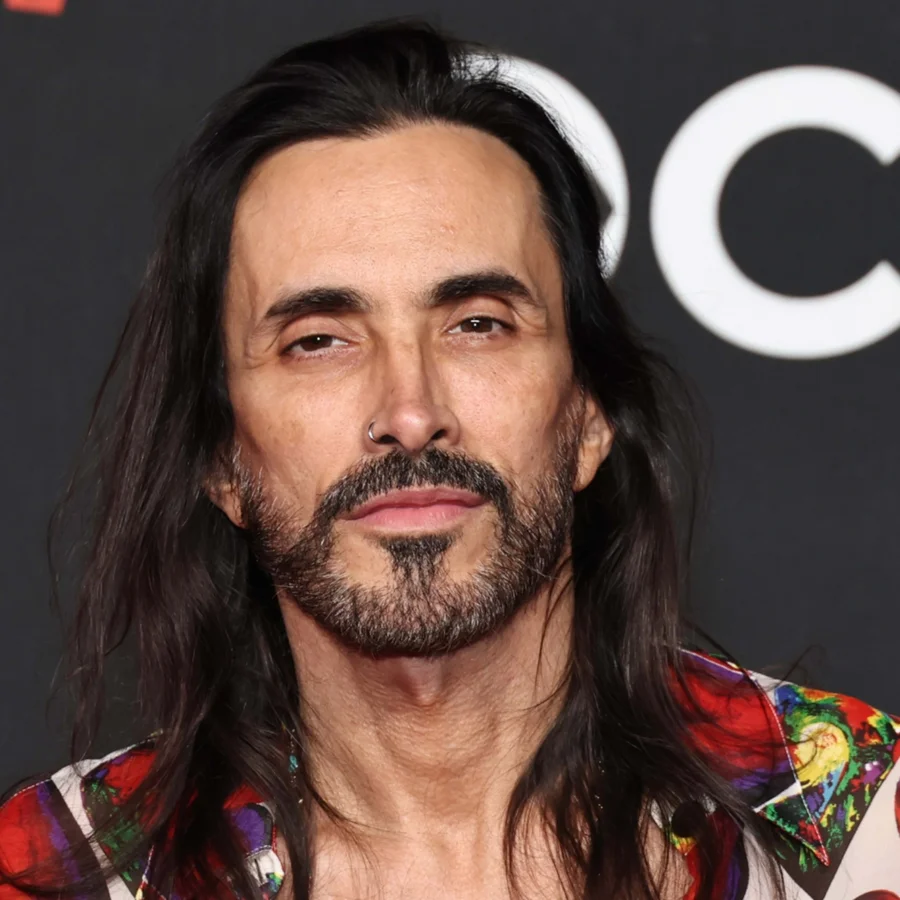
Despite their commercial struggles, these movies continue to receive strong endorsements from mainstream critics. One Battle After Another holds a Certified Fresh score of 95 percent on Rotten Tomatoes, based on 391 critic reviews, even though audience feedback commonly rates it much lower. Verified audience ratings also paint a more favorable picture than general viewer responses, raising questions about authenticity in ratings.
The Broader Cultural Debate Surrounding Hollywood’s Political Direction
The controversy over One Battle After Another demonstrates the tension between Hollywood’s creative intentions and evolving public sentiment. The film’s alignment with left-leaning political ideals has alienated parts of the American audience who feel the content ignores widespread national perspectives, contributing to declining box office numbers despite critical praise.
As debates around cultural representation and political correctness intensify, the fate of films like this and reactions from commentators such as Bret Easton Ellis signal ongoing rifts in how art, politics, and entertainment intersect in the United States. How future Paul Thomas Anderson projects will navigate this polarized landscape remains to be seen.
