
Adam Driver recently disclosed in an Associated Press interview that he and director Steven Soderbergh pitched a Star Wars sequel titled The Hunt for Ben Solo, which was ultimately declined by Disney. This revelation raises questions about why such a promising project, centered around one of the sequel trilogy’s most compelling characters, was not approved.
The concept promised a deeply character-driven narrative focusing on Kylo Ren, brought to life by Driver, under the direction of Soderbergh, a filmmaker celebrated for his precision and innovative approach. This project arrived at a point when the Star Wars saga seemed to require new perspectives. Despite this, the film was rejected, contributing to an extended cinematic hiatus for the franchise that now approaches seven years.
A More Fitting Conclusion for Kylo Ren’s Journey
Kylo Ren, the conflicted heir to Darth Vader’s legacy, emerged as the most nuanced figure in the recent trilogy. Adam Driver’s portrayal imbued the character with a mix of menace and vulnerability, creating dynamic interactions with Daisy Ridley’s Rey that powered the narrative through three films. However, the 2019 release, The Rise of Skywalker, compressed Ren’s redemption arc into a brief sequence, resolving his transformation back to Ben Solo only to abruptly end his life. This treatment is widely viewed as one of the franchise’s creative missteps.
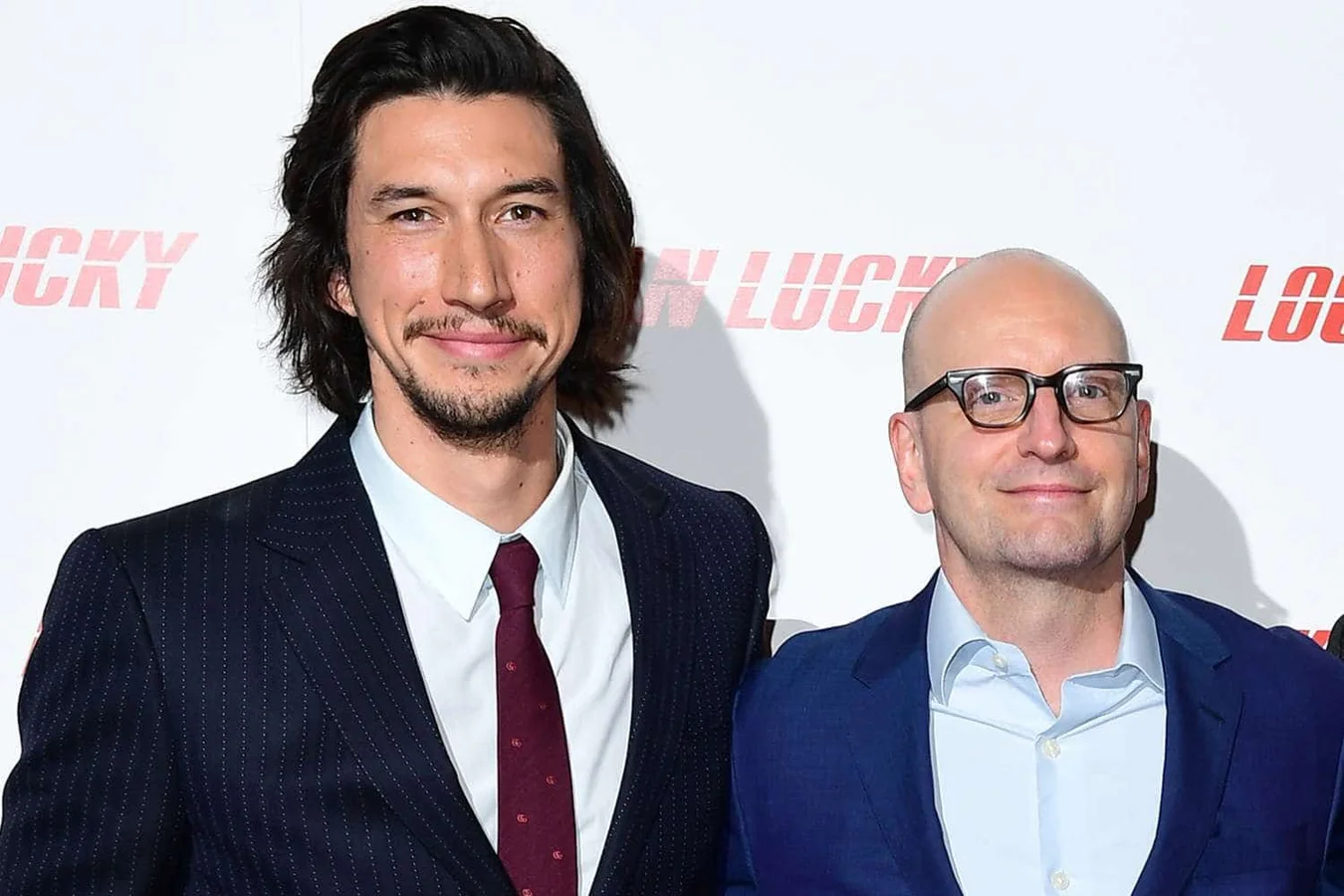
The rushed conclusion left many fans and critics dissatisfied with how such a significant character’s story was concluded. The shift in direction from The Last Jedi, which had set the stage for an intense exploration of Kylo Ren’s inner turmoil, instead focused heavily on Rey’s lineage and the return of Palpatine, relegating Ren’s development to secondary status and scattered comic book tie-ins. Both the audience and Driver felt the character’s complexity deserved more attention. Driver confirmed ongoing conversations for another film centering on Kylo Ren, despite the character’s on-screen death. He said,
“I had been talking about doing another one since 2021. Kathleen (Kennedy) had reached out. I always said: With a great director and a great story, I’d be there in a second. I loved that character and loved playing him.” – Adam Driver, Actor
Driver and Soderbergh crafted a storyline for The Hunt for Ben Solo, intended to follow the events of The Rise of Skywalker. Though reviving Kylo Ren’s character after his demise presented a risk of retconning, the proposed narrative aimed to justify his return while delving into his emotional and psychological complexities. Star Wars’ most enduring strength lies in its exploration of family, identity, and redemption—elements the film sought to deepen and expand, potentially reshaping conversations around the saga’s legacy.
The Potential Impact of Steven Soderbergh’s Direction on Star Wars
According to Adam Driver, Lucasfilm president Kathleen Kennedy and other executives responded positively to the idea, commissioning Scott Z. Burns—who has frequently collaborated with Soderbergh—to write a screenplay. Driver described the resulting script as one of the most exciting he had encountered. However, when the proposal reached Bob Iger and Alan Bergman, top Disney executives, it was rejected.
“We presented the script to Lucasfilm. They loved the idea. They totally understood our angle and why we were doing it. … We took it to Bob Iger and Alan Bergman and they said no. They didn’t see how Ben Solo was alive. And that was that.” – Adam Driver, Actor
Disney has not publicly responded to these details, but it is possible the company feared a negative reaction from fans after the mixed receptions of recent sequels. The hesitance could also stem from concerns over Soderbergh’s recent box office performance, which has not reached the heights of his earlier work like Traffic or Ocean’s Eleven. Nevertheless, such caution appears shortsighted given Soderbergh’s extraordinary range as a filmmaker.
Soderbergh’s career spans diverse genres and tones, from the layered heist in Ocean’s Eleven to the tense, epidemiological thriller Contagion. His recent projects, including Presence and Black Bag, demonstrate his ability to create compelling work within tight schedules and budgets. A Soderbergh-directed The Hunt for Ben Solo might have offered a post-Rise of Skywalker intimate exploration of the internal conflicts defining Kylo Ren, focusing less on expansive galactic battles and more on personal reckoning.
This approach could have been precisely what Star Wars needs after The Rise of Skywalker’s safe and underwhelming finale. Soderbergh’s economical filmmaking style would have allowed the story to deliver emotional resonance without requiring massive expenditure, likely appealing to audiences hungry for substance over spectacle. His talent for grounding genre stories in humanity aligns perfectly with Ben Solo—a character shaped by contradiction, familial burdens, and complex emotions.
Star Wars’ Lengthy Absence from Theatrical Releases
With the upcoming 2026 theatrical debut of The Mandalorian & Grogu, Star Wars will return to cinemas after nearly ten years without a new film release. This extended gap reflects ongoing difficulties at Disney in solidifying a clear future for the franchise’s big-screen presence.
The studio has cycled through multiple announced projects, including Patty Jenkins’ stalled Rogue Squadron, Kevin Feige’s rumored film, Damon Lindelof’s script development, and Taika Waititi’s planned installment, all of which have faced setbacks or indefinite delays. The excitement these announcements sparked has repeatedly given way to silence.
An intelligently crafted, mid-budget film by Soderbergh could have broken this pattern. It would not need massive box office earnings or radical changes to the lore but instead could deliver a focused and emotionally rich story. Soderbergh’s style might have transformed The Hunt for Ben Solo into a rare character study within the Star Wars universe, deepening themes of redemption, identity, and legacy that the sequel trilogy only half-explored.
Disney’s Reluctance to Embrace Risk Limits Star Wars’ Growth
Disney’s refusal to approve Soderbergh’s film underscores an institutional aversion to bold creative risks. Following The Rise of Skywalker, their approach has favored formulaic content over original vision, affecting not only Star Wars but the Marvel and Pixar brands as well. This reliance on brand-safe projects has increasingly led to creative stagnation.
While The Rise of Skywalker depended heavily on recycled motifs and fan service, a Soderbergh project could have reimagined the galaxy with fresh intimacy and nuanced storytelling. Disney has successfully taken chances within the saga before; Rogue One broke new ground with its war film tone and morally complex narrative, and Andor expanded the political and ideological dimensions of the Star Wars universe in unprecedented ways.
The Hunt for Ben Solo had the potential to advance this ambition on the big screen, signaling that Star Wars can remain surprising and emotionally impactful. Soderbergh’s involvement would have demonstrated Disney’s willingness to embrace auteur-driven reinterpretation instead of relying on repetition. As a filmmaker capable of delivering high-profile projects efficiently, Soderbergh embodied an ideal collaborator that studios typically pursue.
Rejecting this opportunity suggests a reluctance to evolve, even as audience enthusiasm for predictable spectacle shows signs of waning. While turning down Soderbergh’s film may not endanger Star Wars outright, it does prolong the franchise’s drift, especially as competitors like Dune, Avatar, and James Gunn’s DC projects continue innovating within science fiction and fantasy genres.
Star Wars increasingly feels like a brand focused on quantity over cinematic moments that resonate deeply, a challenge also confronting Marvel. Though not guaranteed to be a blockbuster, a Soderbergh-led film would have signaled a meaningful step toward reinvigoration, proving that impactful stories don’t demand massive galactic stakes or endless cameos—they require a distinct viewpoint.
Anticipating Star Wars’ Cinematic Future
As anticipation builds for The Mandalorian & Grogu and the forthcoming Ryan Gosling-led Starfighter, the franchise faces enormous expectations to demonstrate its relevance on the big screen once more. Audiences seek evidence that new Star Wars movies can offer fresh perspectives rather than recycle nostalgia.
The shelving of The Hunt for Ben Solo represents more than just the loss of a Steven Soderbergh project—it reflects a missed chance for Star Wars to mature, trading spectacle for substance and familiarity for innovation. For a saga grounded in hope and renewal, Disney’s decision comes across as a surprisingly cautious and faithless moment.
The Star Wars saga remains accessible for streaming on Disney+ within the United States for fans eager to revisit its many chapters.
