
When most people think about directors for a Star Wars movie, David Fincher is rarely the first name that comes up. Known for his meticulous style and dark thrillers such as Se7en, Fight Club, and The Social Network, Fincher’s reputation is built on carefully crafted, intense storytelling. Despite this, Fincher nearly took the helm of a Star Wars film multiple times, coming close to directing entries in the sequel trilogy and beyond. The possibility of a David Fincher Star Wars project reveals a fascinating intersection between his unique vision and the iconic sci-fi saga.
Before J.J. Abrams was chosen to direct Star Wars: The Force Awakens and later Star Wars: The Rise of Skywalker, Lucasfilm seriously considered Fincher as a director for those films. More recently, it has come to light that Fincher engaged in talks for a different Star Wars installment set after the conclusion of the sequel trilogy’s storyline.
Negotiations Around a Sequel Era Film and Creative Control Disputes
Industry insider Jeff Sneider disclosed that Fincher discussed directing a movie centered on a character from the events following The Rise of Skywalker. Although the specific protagonist was never publicly identified, the concept aimed to explore new territory within that timeline. However, the project ultimately fell apart because Lucasfilm rejected Fincher’s insistence on having final cut privileges, which would grant him ultimate creative control over the film.
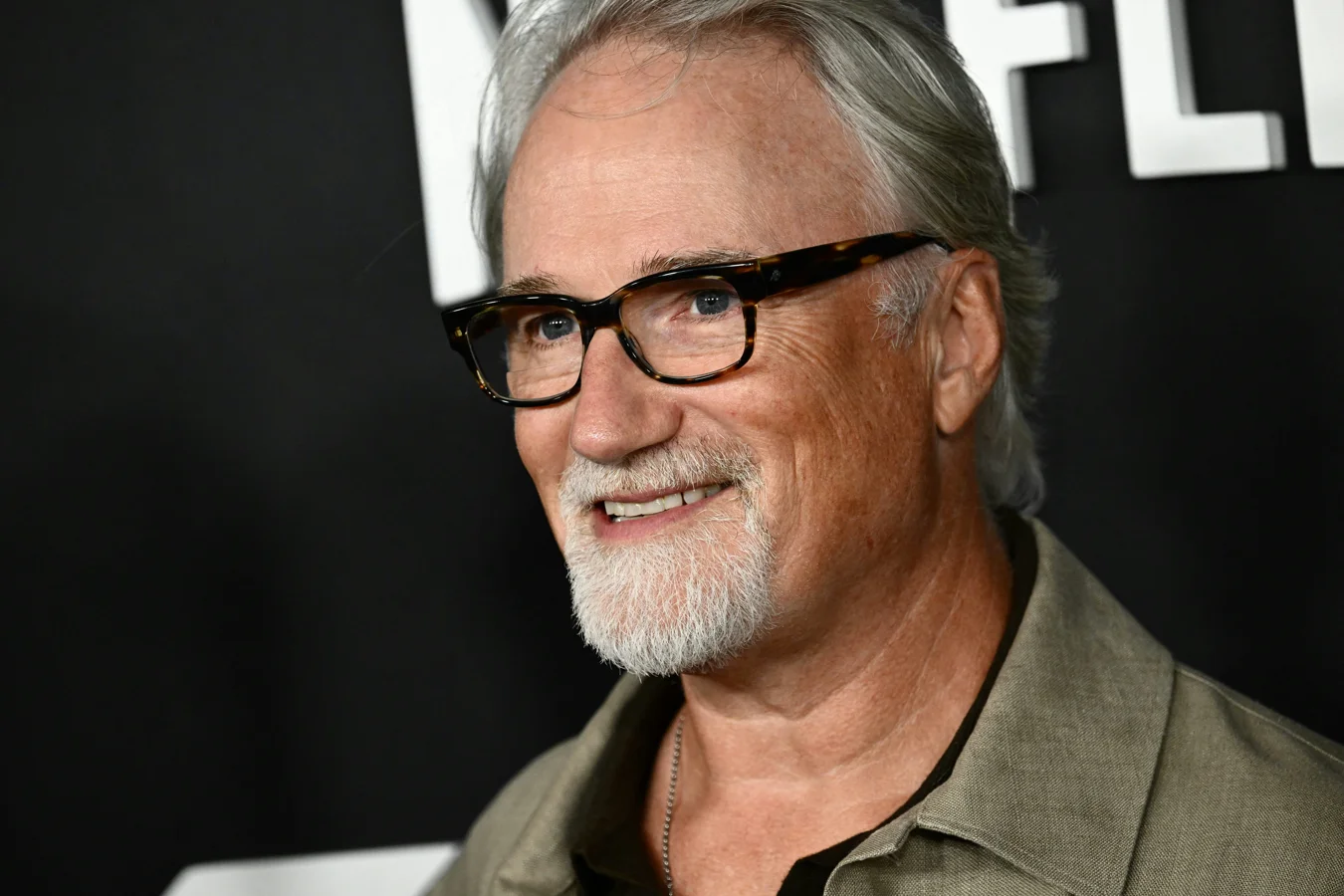
This impasse mirrors challenges encountered by other acclaimed directors like Christopher Nolan, who similarly faced obstacles when attempting to direct franchise installments such as James Bond. Fincher and Nolan share a reputation for tightly controlled, visually precise storytelling methods, which studios often find difficult to accommodate. The studios’ desire to maintain authoritative oversight ensures that franchise entries remain consistent with the overarching brand vision and appeal to broad audiences.
Fincher’s Longstanding Relationship with Lucasfilm and Kathleen Kennedy
What adds further depth to Fincher’s near-collaboration with Lucasfilm is his historical connection to the company and its president, Kathleen Kennedy. During the 1980s, Fincher worked as an assistant cameraman at Industrial Light & Magic, contributing to renowned projects like Star Wars: Return of the Jedi and Indiana Jones and the Temple of Doom. Years later, Kennedy would produce Fincher’s The Curious Case of Benjamin Button, a film that earned a Best Picture nomination, reflecting mutual respect and an established creative partnership.
Despite this longstanding professional relationship, Lucasfilm was unwilling to grant Fincher the final cut control he demanded for the Star Wars film, highlighting the limits of their collaboration when it came to artistic freedom. Such demands are consistent with Fincher’s reputation as a director who does not easily compromise on his creative standards.
The Future of Star Wars Films and Fincher’s Potential Involvement
Fincher remains engaged with his current projects, including The Adventures of Cliff Booth, a follow-up to Quentin Tarantino’s Once Upon a Time in Hollywood. In his thriving career, Fincher shows no urgency to lower his artistic standards for a Star Wars film unless granted substantial creative freedom.
Recently, Kathleen Kennedy shared her vision for a different direction in Star Wars cinema, emphasizing standalone stories rather than tightly interconnected sagas. She stated,
“We want filmmakers to come in and tell stories that interest them,”
suggesting that this approach might open opportunities for directors like Fincher to realize their own ideas, possibly through stories set in unexplored regions of the galaxy where creative boundaries are looser.
Even with this potential, however, the window for Fincher’s involvement in Star Wars seems to have largely closed. As the franchise prepares for new installments like The Mandalorian and the ongoing adventures of Grogu, a Fincher-directed Star Wars film remains a compelling but unlikely prospect.
Given his unique directorial style and the complex dynamics between artistic autonomy and franchise control, David Fincher’s near engagement with Star Wars offers a glimpse into the challenges of blending auteur filmmaking with large-scale studio properties, reminding fans how storytelling visions sometimes collide with corporate oversight.
