
The highly anticipated Peacemaker Season 2 finale, titled Full Nelson, aired recently, sparking a wave of speculation about the future direction of the DC Universe (DCU). Fans focused on the reveal of the planet Salvation, believed to be a critical element in James Gunn‘s Peacemaker finale narrative, with many theorizing a connection to Darkseid, the infamous New God from Apokolips. However, James Gunn has now openly dismissed these assumptions, clarifying that Darkseid will not be part of the current DCU plans.
This decisive statement from Gunn reshapes expectations, suggesting the Peacemaker finale’s importance lies elsewhere in the DCU story. While some viewers appreciated the emotional development between Chris (John Cena) and the 11th Street Kids, others were disappointed that the larger cosmic mystery did not directly involve Darkseid. Still, Gunn’s candid rejection of the Darkseid theory emphasizes a fresh creative approach to his DCU vision.
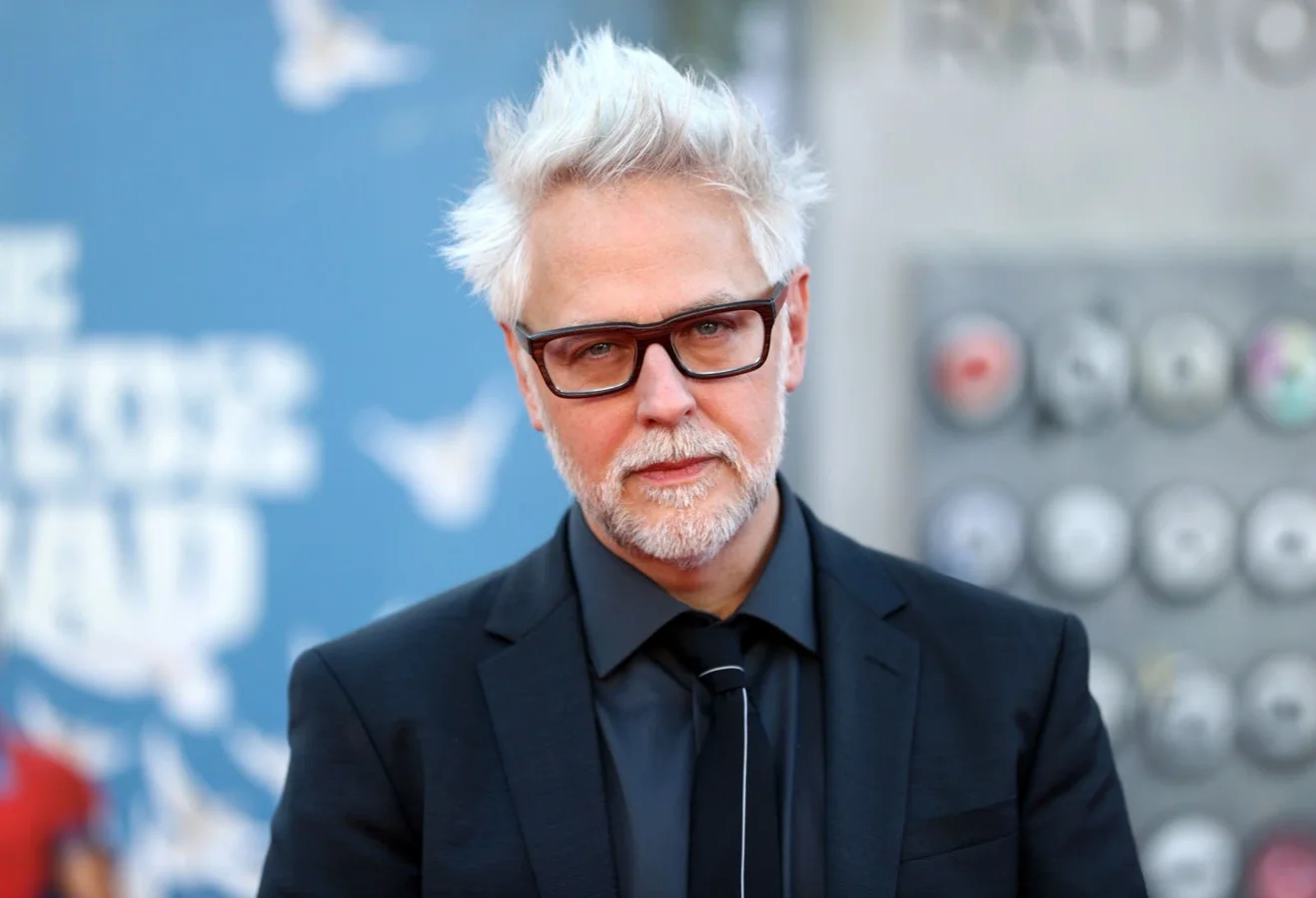
James Gunn Denies Darkseid Connection in Peacemaker Finale
<pDuring interviews following the finale, James Gunn spoke candidly with entertainment outlets New Rockstars and Screen Crush regarding his approach as DCU studio head and the trajectory he envisions. When asked specifically about Darkseid’s role, Gunn made it clear that although he respects the character, using Darkseid as the principal villain at this stage does not align with his plans.
“to give you probably more of an answer than you expected — using Darkseid as the big bad right now is not necessarily the thing.”
— James Gunn, DCU Studio Head
This frank admission stops rampant speculation that the Salvation reveal was simply a setup for Darkseid’s entrance. Instead, it opens space for different storylines and antagonist developments within the DCU that are distinct from established narratives.
Reusing Darkseid Would Mirror Past Franchise Storylines
One key reason Gunn avoids introducing Darkseid now is to prevent narrative repetition. Audiences have already seen a notable incarnation in Zack Snyder’s Justice League, where Darkseid’s portrayal carried a powerful, imposing presence despite limited screen time. Gunn acknowledged this success, praising Snyder’s handling of the character.
“Zach [Snyder] did [Darkseid] so cool in his way,”
— James Gunn, DCU Studio Head
In Snyder’s version, Darkseid appeared as an ancient and ruthless deity, whose clashes with the Greek gods and intimidating interactions with Superman (Henry Cavill) established him as a formidable cosmic force. His chilling vow to conquer Earth using “the old ways” set a high bar for any future villain introducer in the same universe.
Since Darkseid has already been cast in this light, Gunn feels bringing him into the DCU now would feel like retreading familiar territory. Moreover, the actor portraying Superman in Gunn’s universe, David Corenswet, would face the challenge of contending with a villain whose attributes inevitably recall prior portrayals, complicating the originality of the new narrative.
Gunn also compared Darkseid to Marvel’s Thanos, highlighting their shared thematic foundation as genocidal cosmic overlords. Both chase cosmic power—Darkseid’s quest for the anti-life equation parallels Thanos’ mission to eliminate half of life across the universe to please Death.
This similarity underscores Gunn’s desire to differentiate his DCU from Marvel Cinematic Universe (MCU) storytelling rhythms and villains. He recognizes that adopting Darkseid now would replicate the MCU’s phased buildup to a single ultimate villain, which runs counter to his intent for a more varied and thematic antagonist landscape.
DCU’s Villains Will Reflect Evolving Themes Without Darkseid
Unlike a universe hinging on one major villain, James Gunn’s DCU promises to explore a broader array of thematic antagonists who contribute uniquely to the unfolding saga. Gunn acknowledges that the MCU’s Infinity Saga, culminating in Thanos, created a framework where many villains were underutilized or one-dimensional due to overly linear progression. Characters like Killmonger (Michael B. Jordan), Hela (Cate Blanchett), and Ronan the Accuser (Lee Pace) showed potential but ultimately served as fleeting obstacles.
Gunn aims to avoid this narrative pitfall by allowing each DCU villain their own significance, independent of a singular overarching arc. This approach enables deeper exploration of characters and themes, which may resonate more effectively with audiences.
For example, Lex Luthor (Nicholas Hoult) has reappeared in Peacemaker, following his arrest depicted in Superman. His evolving role, potentially as an antihero in the upcoming Man of Tomorrow movie, brings nuance and complexity, illustrating the diverse villain narrative Gunn prefers.
The longer Darkseid’s formal introduction is delayed, the greater his eventual impact can be. Gunn believes rushing the character’s arrival would not only feel redundant but risk diminishing the powerful aura established by previous versions. When the time is right, and with careful adaptation, Darkseid can be integrated in a way that respects his legacy without overshadowing other villains or storylines.
Gunn’s openness about these strategic decisions reassures fans and industry observers alike that the DCU’s future narratives will be thoughtfully crafted. This suggests that whatever role the planet Salvation eventually plays, it will drive a story that is both original and engaging.
Core Cast and Characters in Peacemaker
The series continues to center on John Cena’s portrayal of Christopher Smith, a.k.a. Peacemaker, whose complex journey drives much of the narrative momentum. Alongside him, Danielle Brooks plays Leota Adebayo, a vital member of the 11th Street Kids team whose dynamics with Chris add emotional depth.
Their interactions and evolving relationships remain central to Peacemaker’s balance between intense action and emotional resonance, underscoring James Gunn’s unique vision for this segment of the DCU.
