
John Boyega, known for his role as Finn in the Star Wars sequel trilogy, recently expressed his belief that the Star Wars franchise could benefit from adopting aspects of Star Trek’s storytelling approach. Speaking about these two iconic sci-fi universes, Boyega highlighted how Star Trek’s patience with character development and dialogue might be a lesson for Star Wars to consider as it continues to evolve.
Contrasting the Legacies of Star Wars and Star Trek
Star Wars and Star Trek are two of the most influential franchises in science fiction, each commanding devoted global fanbases since their respective debuts. Star Trek originated with its television series, which premiered in 1966 under the vision of Gene Roddenberry, and grew into a vast multimedia empire featuring numerous TV shows and films. Star Wars, created by George Lucas, launched as a groundbreaking film in 1977 and quickly expanded into sequels, prequels, and an extensive universe spanning multiple media.
Despite their shared space settings and cultural significance, these franchises differ markedly in style and storytelling. Star Trek typically takes a slower, more contemplative pace that focuses on philosophical and social discussions within its narrative framework. In contrast, Star Wars is often recognized for its emphasis on action, mythological storytelling, and immediate emotional impact.
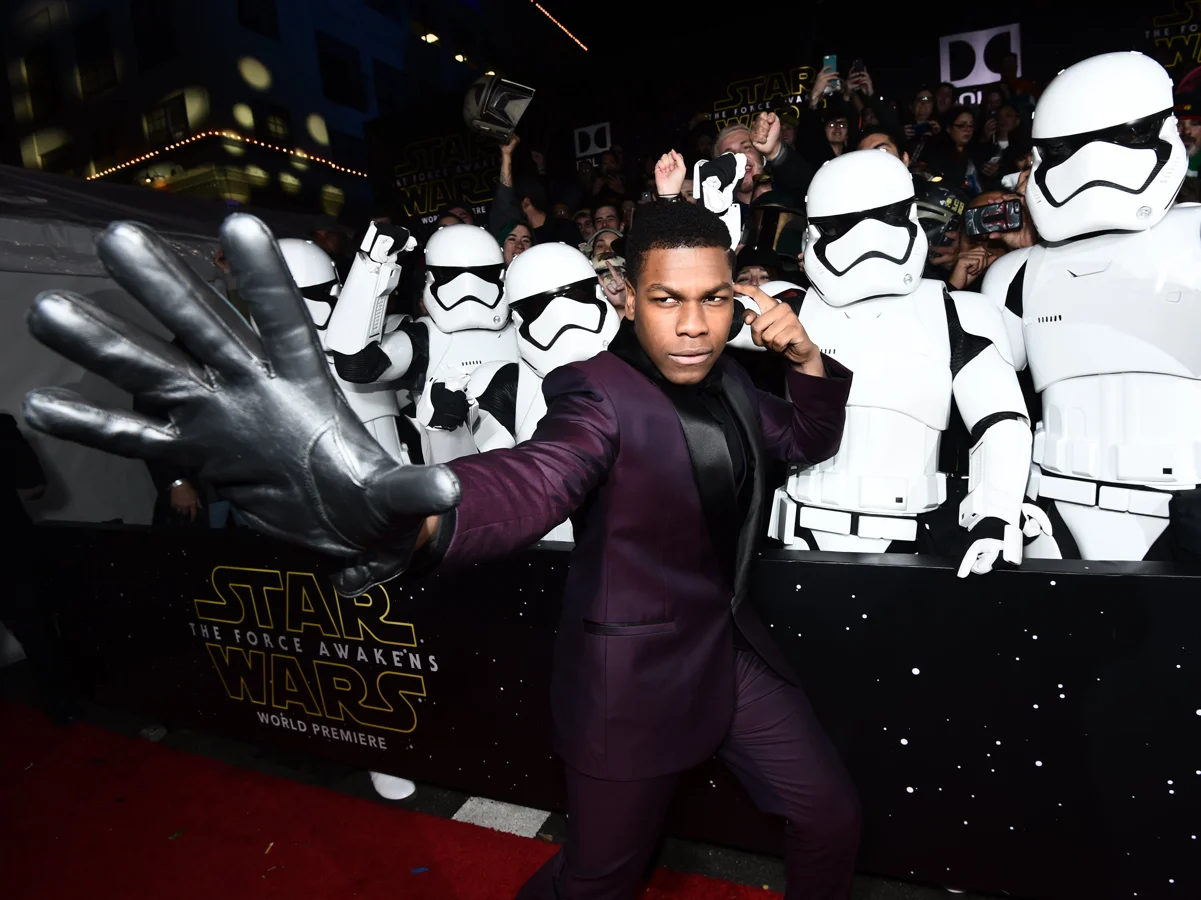
John Boyega’s Reflections on Storytelling Pace
Boyega recently commented on this difference, praising Star Trek’s willingness to allow conversations and ideas to unfold gradually.
“In Star Trek, they give you time to have discussions. I think there’s something Star Wars can learn from that, actually,”
he said. This remark suggests that Boyega feels the Star Wars franchise could improve its narrative depth by integrating more thoughtful dialogue and development.
When asked about transitioning from Star Wars to Star Trek, Boyega firmly declined, affirming his loyalty to the Star Wars universe, stating,
“In terms of me appearing in [Star Trek], I’ve got to stay on team. I’m a lightsaber guy.”
His allegiance clearly lies with the galaxy far, far away, even as he critiques aspects of its current direction.
Criticism of Star Wars Sequel Trilogy and Character Treatment
Boyega has also been outspoken regarding how the Star Wars sequel trilogy was handled, particularly in relation to his character, Finn. He voiced specific concerns about how the new generation of characters was portrayed, noting that he would have preferred the original stars — Mark Hamill, Harrison Ford, and the late Carrie Fisher — to remain central to the story rather than being written out prematurely. He suggested that their legacies should have been honored alongside the introduction of new heroes.
Additionally, Boyega argued that the sequel trilogy’s new characters were made too powerful too quickly, which diminished audience investment in their growth. He pointed to Luke Skywalker’s initial portrayal in the original trilogy as a positive example of gradual character development that helped viewers connect with the hero’s journey over time.
Regarding any potential future involvement with Star Wars, Boyega emphasized that his return would be
“dependent on treating the character well,”
indicating hesitancy given how Finn’s arc was concluded. Although the sequel trilogy ended in 2019, the Star Wars franchise remains active, with ongoing projects such as The Mandalorian, upcoming releases featuring Grogu, and plans for a new trilogy, all under Disney and Lucasfilm’s management.
The Enduring Appeal and Expansion of Star Wars and Star Trek
Since its inception by George Lucas in 1977, Star Wars has evolved into a sprawling multimedia phenomenon. What began with the original film, later retitled Star Wars: Episode IV – A New Hope, quickly expanded through numerous sequels, prequel films, animated series, comics, and video games. Disney’s acquisition of the franchise accelerated this growth with a strong focus on streaming content like The Mandalorian and Andor, solidifying Star Wars’ presence in modern pop culture.
Star Trek, created decades earlier by Gene Roddenberry, similarly grew from a modest TV show into a multifaceted franchise encompassing movies, television series, literature, and interactive media. Its original cast included icons such as William Shatner and Leonard Nimoy, and subsequent series like The Next Generation and Discovery have developed its universe further. Star Trek’s consistent exploration of ethical, social, and scientific themes has contributed to its lasting appeal.
Potential Impact of Boyega’s Insight on the Future of Star Wars
Boyega’s candid observations raise important questions about the narrative choices Lucasfilm has made and may encourage reflection within the Star Wars creative teams. His suggestion to adopt Star Trek’s measured storytelling might improve character depth and audience engagement, which many fans felt was lacking in recent Star Wars installments. As Disney continues to expand the franchise, incorporating richer dialogues and pacing could elevate future projects.
While Boyega probably will not reprise his role as Finn or cross over to Star Trek, his remarks underscore the value of thoughtful storytelling in sustaining a franchise with such a diverse and passionate audience. If Lucasfilm takes his advice seriously, it may reshape Star Wars’ trajectory, deepening its legacy and possibly enticing Boyega back to the saga under better circumstances.
