
The Exorcist sequel, Exorcist II: The Heretic, long known as a major cinematic failure, has found a surprising defender in Martin Scorsese. Despite its harsh criticism and poor box office performance following its 1977 release, Scorsese revealed in a Film Comment interview that this follow-up frightened him even more than the original and deserved greater appreciation. His reflection centers on how the sequel’s exploration of Catholic guilt and religious themes connected deeply with him, even though the original Exorcist remains a landmark in horror history. This perspective brings renewed attention to the controversial Martin Scorsese Exorcist sequel.
After the massive success of The Exorcist—which became one of the highest-grossing films at the time and was the first horror movie nominated for Best Picture at the Academy Awards—Warner Bros. was eager for a sequel. When original director William Friedkin declined involvement, the project was handed to John Boorman. Friedkin, who initially refused to watch Exorcist II, later described audience reactions as hostile due to the film’s failures. While critics and audiences mocked Boorman’s film, it steadily attracted defenders, including Scorsese, who believes it was misunderstood.
A Deeper Look Into the Sequel’s Themes and Characters
Exorcist II: The Heretic faced immense challenges from the outset because it followed a groundbreaking horror film whose realistic portrayals and shocking scenes left a lasting impact on viewers. Unlike the intimate family drama of the original—focused on a mother’s fight to save her daughter from demonic possession—this sequel ventured into a more expansive supernatural narrative heavily rooted in religious ideas. The plot takes place years later, featuring Linda Blair reprising her role as Regan McNeil, now grown and seemingly amnesic about her traumatic possession experience.
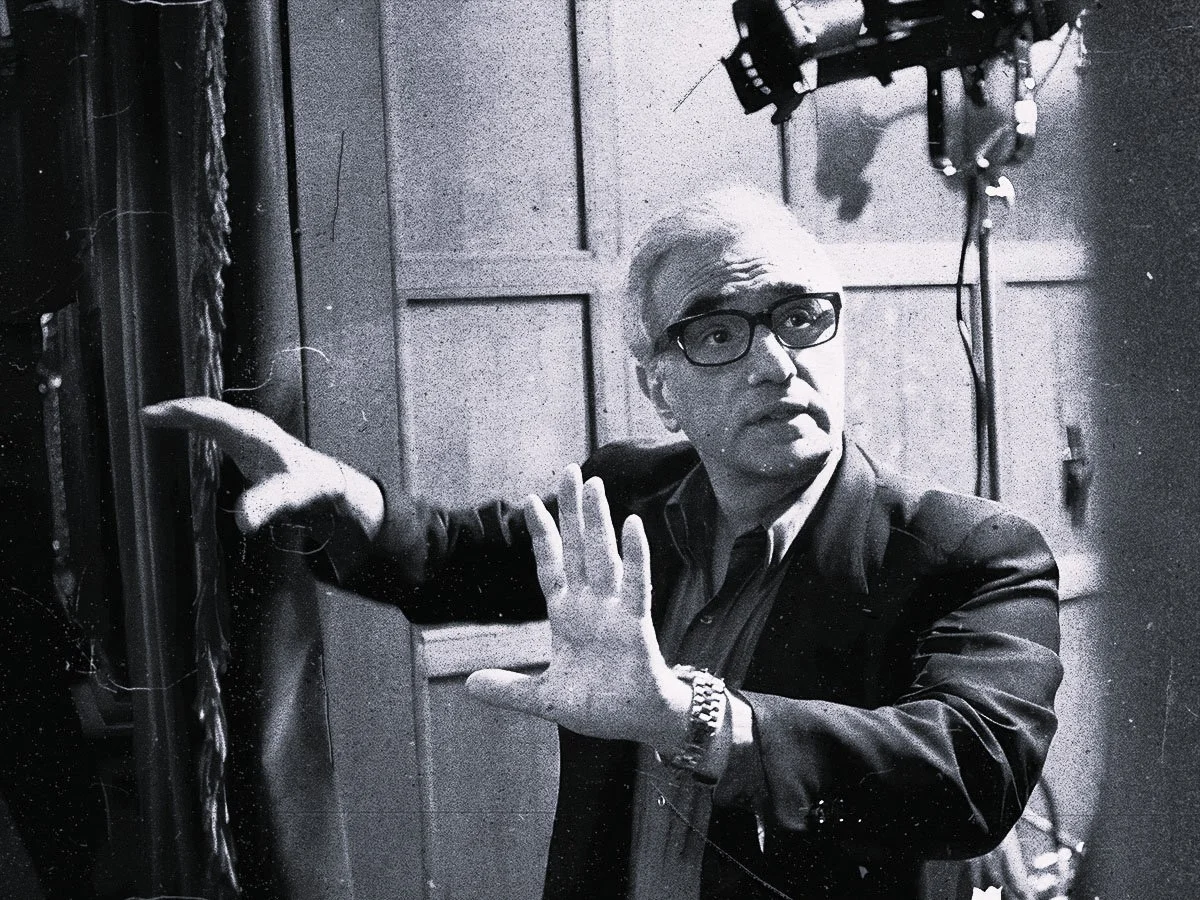
Scorsese found the depiction of Regan as a “modern-day saint” compelling, drawing comparisons to Ingrid Bergman’s role in Europe ‘51, where sacred goodness faces profound trials. He admired how the sequel explored themes of whether immense goodness can attract severe evil, making the story akin to religious tests of faith. This fascinated Scorsese, who is known for examining how good individuals grapple with surrounding darkness, as seen in films like Mean Streets, where he likened Regan to Harvey Keitel’s character Charlie.
Moreover, Scorsese’s career includes works that deeply engage with spiritual conflict and religious questions, such as The Last Temptation of Christ, Bringing Out the Dead, and Silence. Exorcist II transformed Regan from a vulnerable child into a defender of faith, suggesting that her intrinsic purity is what draws malevolent forces. Although its narrative was less grounded and relatable than the original, focusing more on theological reflection, it introduced complexity that resonated with Scorsese’s sensibilities. He even compared the film’s spiritual challenges to the biblical Book of Job, underlining its profound religious undertones.
Why Exorcist II: The Heretic Struggled and Yet Endured
Like many horror sequels lacking their original creators, Exorcist II suffered from high expectations unavailable to it. Comparable disappointments occurred in other franchises when iconic directors such as John Carpenter and Wes Craven were absent. However, John Boorman was a respected filmmaker with acclaimed works like Point Blank, Deliverance, and Zardoz, known for bold, imaginative storytelling set in exotic locales. His style differed sharply from Friedkin’s realist approach, which likely contributed to the sequel’s reception problems, as Boorman’s more elaborate direction did not fit the tone fans expected.
Exorcist II also arrived before sequels and franchises were common in horror cinema, at a time when audiences had less tolerance for perceived studio-driven cash grabs. Released amid a strong slate of horror films in 1977—such as Capricorn One, Suspiria, Eraserhead, and The Last Wave—it faced fierce competition. The involvement of Richard Burton added complexity; despite his prominent career and multiple Oscar nominations, many of his late-career films were poorly received, affecting audience perceptions of the sequel. Ellen Burstyn, the original film’s mother character, declined to return, which also altered the dynamic.
Despite these setbacks, Exorcist II gained a cult following over the years, with some critics and viewers appreciating its hallucinogenic, apocalyptic tone. Pauline Kael praised the film’s atmosphere and performances by Linda Blair and Richard Burton, calling it “a swirling, hallucinogenic, apocalyptic” experience. Scorsese acknowledged that
“maybe Boorman failed to execute the material,”
but his willingness to defend the film underlines its unique qualities amid its flaws.
The Sequel’s Place in the Broader Exorcist Franchise
Exorcist II: The Heretic has contributed a distinct chapter to one of horror’s most lasting series. William Peter Blatty, author of the original novel, later directed Exorcist III, which took the franchise in a fresh direction as an investigative thriller with deep psychological terror. Comparatively, Exorcist II seems more imaginative and ambitious than the recent sequel Exorcist: Believer, which was criticized for recycling the franchise’s themes without offering new insights. Scorsese’s rare admiration for Exorcist II highlights the sequel’s artistic merits and suggests it deserves reconsideration by modern audiences intrigued by its spiritual complexity.
As discussions around the legacy of The Exorcist continue, Martin Scorsese’s views inject a thoughtful, conflicted perspective into the conversation. His reflections encourage a reevaluation of Exorcist II, emphasizing its bold thematic pursuits in faith and evil, and hinting at the possibility of appreciating films that challenge traditional horror expectations. This renewed attention may inspire viewers and critics alike to revisit a film that once frightened and confounded, but now fascinates.
