
Filmmaker Quentin Tarantino has reunited his iconic Kill Bill: Volume 1 and Kill Bill: Volume 2 into a single extended version titled Kill Bill: The Whole Bloody Affair, which will receive its first nationwide theatrical release in December 2025. This release represents Tarantino’s effort to present the original tale as one complete film, allowing fans to experience the combined story in its full form, including several previously unseen additions and enhancements. The return of Quentin Tarantino Kill Bill as a unified movie marks an important moment for cinephiles and fans of the director’s unique style across the United States.
The combined film, which originally debuted through limited screenings at Los Angeles’ New Beverly Cinema in 2011, has remained largely unavailable to the general public until now. Tarantino delayed its wide release to retain full ownership over the rights and maintain strict control of how it is presented. This decision underscores the filmmaker’s desire to protect the artistic integrity of his work while reintroducing the complete narrative to larger audiences in theaters nationwide, rather than through streaming or physical media.
From Divided Volumes to a Unified Epic
The original division of Kill Bill into two films stemmed from the business practices of Harvey Weinstein, then head of Miramax, who preferred shorter movie runtimes. To satisfy Weinstein’s preference for films under three hours, Tarantino’s sprawling martial arts revenge story was split into Volume 1 and Volume 2, each trimmed to meet these restrictions without cutting any filmed content. Tarantino, however, always intended for the story to be seen as one continuous epic and maintained plans to eventually recombine the two parts.
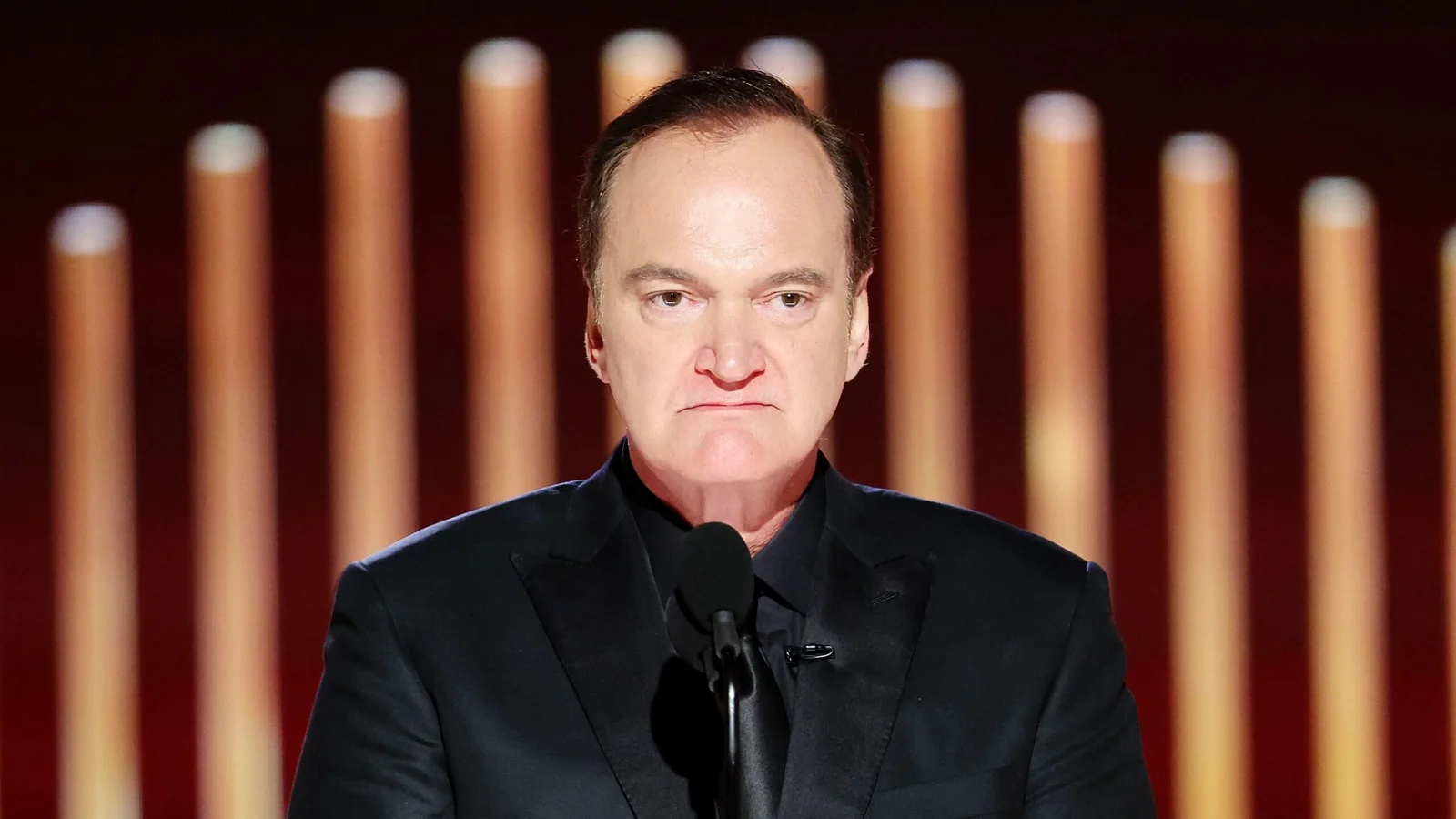
When the combined version was first shown in 2011, it was more of a limited, exclusive screening. Since then, it quietly disappeared from public view until Tarantino’s announcement of the full-scale theatrical rollout in late 2025. This new release revisits the project with notable tweaks and improvements rather than simply editing the volumes together.
A Tribute Replacing a Quirky Proverb
The opening of Kill Bill: Volume 1 once featured an onscreen quote:
“Revenge is a dish best served cold.”
This phrase was famously attributed to the Klingons from Star Trek in the original U.S. theatrical release, playing into Tarantino’s fondness for blending humor with genre conventions. However, for the Japanese release, Tarantino replaced this lighthearted nod with a heartfelt dedication to the late Japanese filmmaker Kinji Fukasaku, famed for directing the cult classic Battle Royale and having a significant influence on Asian cinema since the 1960s.
In the full Whole Bloody Affair version, Tarantino has made the Fukasaku dedication the official opening for all regions, removing the original Klingon proverb entirely. By doing so, he honors a major inspiration for his work while aligning the film more closely with the legacy of Japanese film, which has deeply influenced the martial arts elements of Kill Bill.
Color Restoration of the Intense House of Blue Leaves Battle
The House of Blue Leaves showdown between the Bride (Uma Thurman) and the Crazy 88 in Volume 1 is one of the film’s signature sequences. Originally, this brutal and highly violent battle was presented in black and white to avoid an NC-17 rating from the MPAA. Tarantino’s homage to grindhouse cinema included graphic bloodshed, but the use of monochrome blood helped secure an R rating, broadening the film’s reach in theater chains reluctant to show NC-17 movies.
With shifting standards over time, the fully restored color version will be shown in The Whole Bloody Affair. This unrated cut allows the battle’s visuals to appear as originally intended, showcasing the vivid, crimson blood instead of subdued black and white, amplifying the scene’s brutal impact as audiences experience it for the first time in decades in its natural color palette.
Removing the Cliffhanger to Emphasize Continuity
The break between Volume 1 and Volume 2 was initially paced as a natural intermission for audiences to rest during the film’s original four-hour intended runtime. However, once split into two films, Tarantino added cliffhangers and teasers at the end of Volume 1 to entice viewers back for the sequel. These included snippets of dialogue and footage designed to set up the story continuation.
In the unified film, these cliffhanger elements have been removed to preserve narrative flow without artificial breaks. Notably, a scene where Bill (David Carradine) asks Sophie Fatale (Julie Dreyfus) if the Bride knows that her daughter is alive has been withheld. Instead, the revelation of the Bride’s daughter occurs simultaneously with the Bride’s own discovery at the story’s climax. This change enhances dramatic timing and eliminates the need for teasing audiences before the full story unfolds.
Brand New Animated Sequences Expand the Story
Tarantino has a history of drawing inspiration from diverse cinema, and one of his most memorable choices in Kill Bill was the use of animation to tell O-Ren Ishii’s (Lucy Liu) backstory in Volume 1. This homage was inspired by the Bollywood thriller Aalavandhan, which utilized animation for its most intense scenes. For The Whole Bloody Affair, Tarantino has added over seven minutes of completely new animation to fill in scenes that were scripted but never filmed.
These newly animated segments have not been seen in prior editions of the recombined film and are expected to deepen the characterization of Bill’s Deadly Viper Assassination Squad, much like the original O-Ren sequence did. Fans must wait until the December release to discover the full extent of these additions.
Minor Changes and New Footage Throughout the Film
Beyond major new sequences and structural revisions, The Whole Bloody Affair includes numerous small alterations dispersed throughout. Unused shots, fresh camera angles, and subtle edits have been embedded to enrich the viewing experience. Though these tweaks might elude casual viewers, dedicated fans who have meticulously studied the original volumes will likely appreciate the nuanced differences Tarantino has introduced.
These smaller changes reflect Tarantino’s meticulous attention to detail and his desire to create a definitive version of the film that rewards true aficionados.
Tarantino’s Commitment to Preserving the Theater Experience
Unlike many modern releases, Kill Bill: The Whole Bloody Affair will not debut on digital platforms or home media initially. Tarantino has openly stated his concern that cinema loses its cultural value when films become disposable mass-market products readily available on streaming services or DVDs. During an episode of his podcast The Church of Tarantino, he expressed his frustration about media’s ephemerality, lamenting how many movies just end up forgotten on shelves after purchase:
“sitting on a stack of DVDs and Blu-rays that you get around to watching eventually … a month later, you get around to taking the plastic off.”
Quentin Tarantino, Filmmaker
He reinforced his dedication to maintaining control of the new release’s availability:
“If you want to watch ‘Kill Bill: The Whole Bloody Affair,’ it’s not a push-button away. You’ve got to wait for me to show it.”
Quentin Tarantino, Filmmaker
This approach elevates the film-going experience, emphasizing the communal and event-driven nature of cinema rather than passive consumption. Fans will have to attend select theater screenings to experience the rare and exclusive presentation of this complete cinematic event.
With these restorations and revisions, Kill Bill: The Whole Bloody Affair offers a unique opportunity to revisit Tarantino’s seminal work in a way that respects its origins while enhancing its narrative impact. The return of this fully unified, colorized version not only satisfies longtime viewers but also invites new audiences to engage with the director’s intense vision on the biggest screen possible.
