
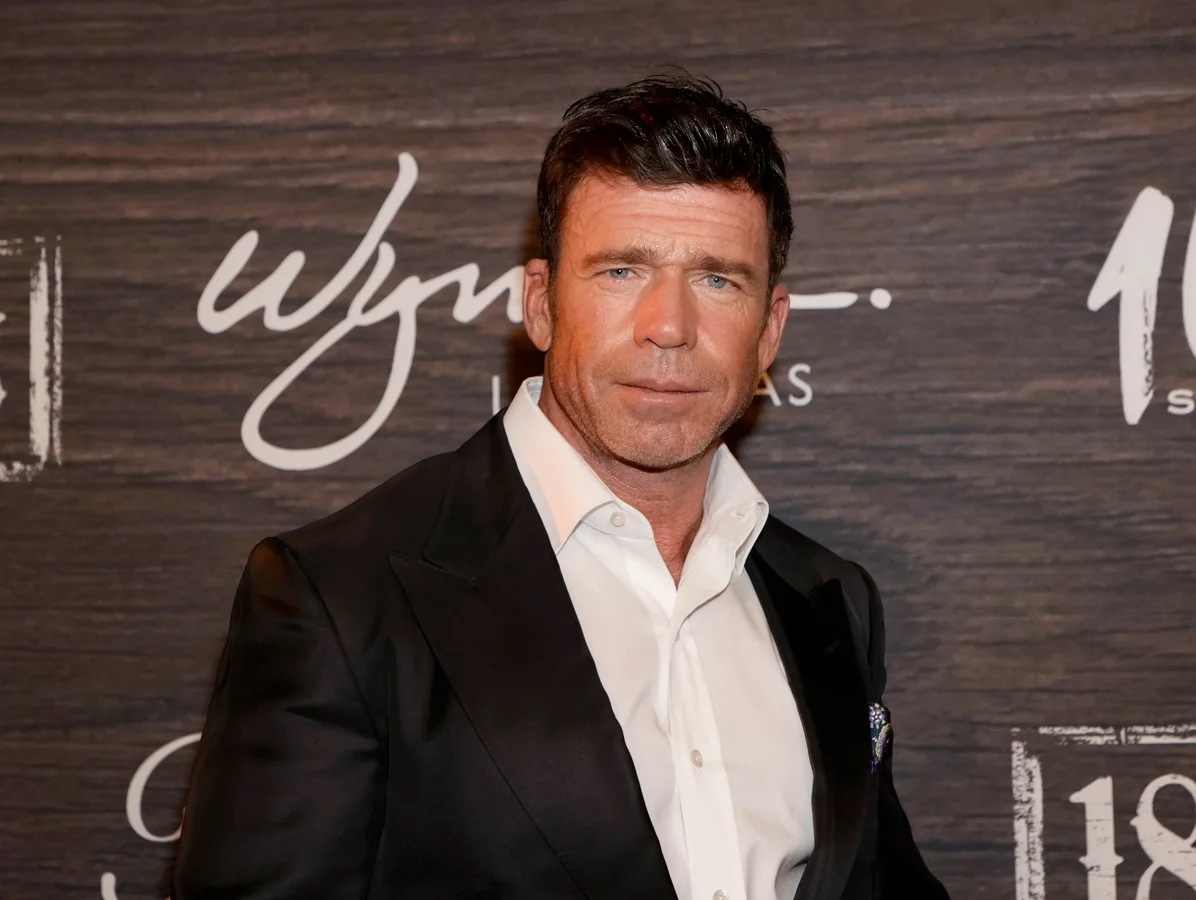
Taylor Sheridan Texas Studios are rapidly reshaping the entertainment landscape by establishing a vast production hub in Texas, challenging Hollywood’s longstanding dominance. Sheridan, known for creating popular series like Yellowstone and Mayor of Kingstown, has partnered with Hillwood and Paramount Television to develop SGS Studios in Alliance, Texas, aiming to expand production capabilities beyond California‘s traditional stronghold.
Emergence of a Major Film Production Center in Texas
Texas has built a robust film community that goes beyond just hosting events like the Austin Film Festival and South by Southwest. Acclaimed directors such as Richard Linklater, Robert Rodriguez, and Wes Anderson launched their careers there. Building on this foundation, Taylor Sheridan is investing significantly in Texas with SGS Studios, a sprawling 450,000-square-foot facility positioned as the largest studio space in the state. This complex can accommodate up to four large-scale productions at once, fueling the state’s creative growth. Reports indicate that Texas has invested approximately $1.5 billion into this project, underlining its ambitions to become a major player in film and television production.
“SGS Studios isn’t just about soundstages or tax incentives — it’s about reclaiming the independence and grit that built this industry in the first place. Texas offers something rare: the space to dream big, the freedom to build fast, and a community that still believes storytelling matters.”
— Taylor Sheridan, Creator
The Battle for Entertainment Jobs Between Texas and California
Texas’ growing appeal is fueled by legislative support such as Senate Bill 22, which channels roughly $1.5 billion in funding for film projects over the next decade. This incentive makes Texas highly competitive against other production hubs including Georgia, Louisiana, New York, and international locations like London and Canada. Texas aims to attract productions similar to how Tyler Perry significantly boosted Atlanta’s industry by building his own studios. This shift threatens California, which has struggled to retain entertainment jobs despite concerted efforts to bring production back.
For nearly two decades, California has seen a steady exodus of film productions moving out of state or even overseas. According to a report by the LA Film Office published on October 14, Los Angeles production activity remains at historic lows. Film professionals in the city and surrounding county have faced mounting challenges exacerbated by the COVID-19 pandemic, recent WGA and SAG-AFTRA strikes, and technological threats such as AI potentially replacing human roles.
The Bureau of Labor Statistics, cited by Variety, highlights the significant employment decline:
California lost about 40,000 jobs in motion picture and video production in 2024 compared to the peak in 2022, or about 20,000 compared to pre-pandemic levels. Some entertainment unions report that about 40%-50% of their members are out of work.
— Bureau of Labor Statistics
California’s Response and the Future of Film Production
Despite setbacks, California has introduced new tax incentives, overseen by Governor Gavin Newsom and the California Film Commission, designed to attract productions back to the state. The recent $750 million boost in tax credits is expected to generate between 4,400 to 5,500 jobs. However, industry reports suggest these gains offset only a fraction of the losses California has endured. While production in Los Angeles shows signs of recovery, with potential further growth in 2026, the rise of Texas studios, led by Taylor Sheridan’s SGS Studios, presents a formidable rival for attracting large-scale film and television projects.
The growing presence of Taylor Sheridan Texas Studios symbolizes a shift in power within the entertainment industry, as the Lone Star State leverages its expansive resources, legislative incentives, and creative community to challenge the historical dominance of Hollywood. This new competition could redefine production locations, labor dynamics, and industry trends in the coming years.
