
Guillermo del Toro has openly expressed his strong opposition to artificial intelligence, especially generative AI, during the promotion of his latest film adaptation of Mary Shelley’s Frankenstein. Speaking in late October 2025, del Toro linked his views on AI with the themes in his movie, drawing parallels between Victor Frankenstein’s reckless creation and today’s tech entrepreneurs. His outspoken stance on the topic reveals deep concerns about the direction of technology and its impact on creativity and labor.
The Connection Between Frankenstein and Modern Technology Recklessness
Del Toro’s admiration for classic cinema and dedication to practical filmmaking led him to bring Mary Shelley’s iconic novel to the screen with rich detail and craftsmanship. Reflecting on his childhood experience watching James Whale’s 1931 Frankenstein and his approach to designing the creature, the director emphasized his fascination with traditional artistry in a digital age. However, he used the film’s core story as a metaphor for today’s tech innovators, whom he sees as blind to the consequences of their creations.
“My concern is not artificial intelligence, but natural stupidity. I think that’s what drives most of the world’s worst features. But I did want it to have the arrogance of Victor [Frankenstein] be similar in some ways to the tech bros. He’s kind of blind, creating something without considering the consequences and I think we have to take a pause and consider where we’re going. … AI, particularly generative AI — I am not interested, nor will I ever be interested. I’m 61, and I hope to be able to remain uninterested in using it at all until I croak. … The other day, somebody wrote me an email, said, “What is your stance on AI?” And my answer was very short. I said, “I’d rather die.””
Guillermo del Toro, Director
Industry Pushback Against AI and Its Effects on Human Creators
Del Toro’s criticism also highlights a broader conflict within Hollywood, where the increasing use of AI technologies threatens traditional roles and the livelihoods of many film industry workers. Growing tensions between labor unions like SAG-AFTRA and the Writers Guild of America (WGA) have culminated in recent strikes, partly fueled by fears that studios will use AI to replace human talent in visual effects, makeup, and even crowd scenes. Despite claims that AI adoption is inevitable, many worry that these technological shifts are proceeding without adequate protections for the professionals who sustain the creative ecosystem.
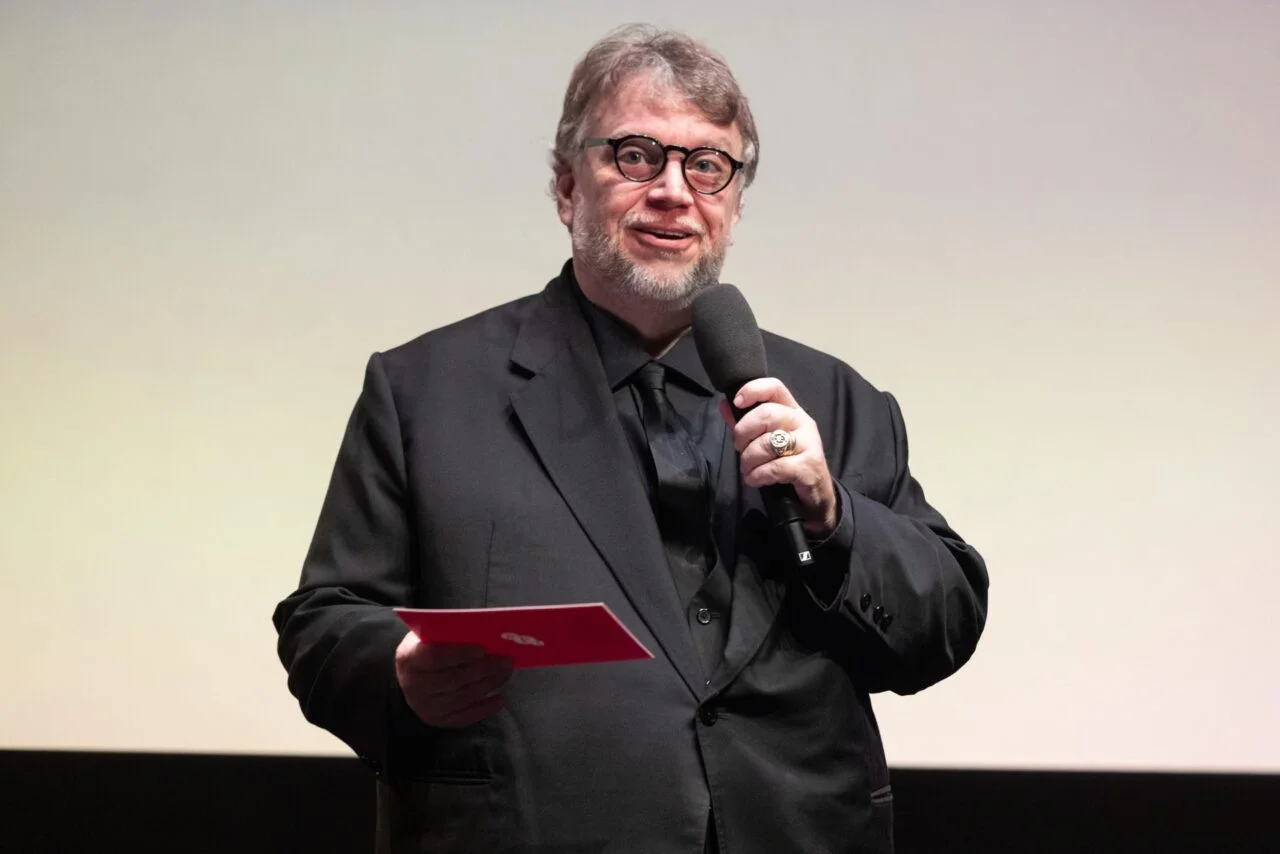
The introduction of AI-generated content raises concerns about undermining the practical effects and craftsmanship that filmmakers like del Toro champion. His insistence on preserving artisanal techniques stands in stark contrast to the studios’ increasing preference for CGI and automated processes, which are often viewed as shortcuts that could diminish artistic quality.
The Cultural and Artistic Importance of Preserving Traditional Filmmaking
Fans and collaborators alike celebrate del Toro for his dedication to movie-making that relies on tangible effects and detailed physical work. His Frankenstein film has drawn attention because it embodies a resistance to homogenized, AI-influenced productions, instead offering a distinctly personal vision that emphasizes craftsmanship. This approach has attracted positive audience reactions in 2025, in a landscape flooded by digitally fabricated content lacking originality.
His critique extends beyond technology to the attitudes of those pushing for unchecked AI integration, likening them to Victor Frankenstein’s hubris. In doing so, del Toro not only defends traditional artistry but warns of potential dangers when creators prioritize innovation without ethical reflection or regard for human costs.
“Fuck AI”
Guillermo del Toro, Director
Implications for Future Creativity and Worker Rights in Hollywood
Guillermo del Toro’s frank condemnation of AI serves as a rallying point for many within the entertainment industry concerned about the erosion of artistic jobs and the diminishing role of human creators. His comments underscore the tension between technological advancement and the preservation of a creative workforce valued for skill and passion.
As studios continue to explore AI’s possibilities, del Toro’s warnings suggest a need for caution and consideration of consequences, echoing Frankenstein’s tragic narrative. His high-profile opposition may encourage deeper conversations about ethical technology use and inspire efforts to protect craftspeople whose work depends on human touch and innovation.
Ultimately, this debate shapes the future of filmmaking, emphasizing the balance between embracing new tools and honoring the artistry that defines cinema. Del Toro’s stance challenges industry leaders and audiences to reconsider the costs of rapid technological adoption and to champion creativity grounded in human experience.
