
The eerie town of Derry, Maine, has returned to screens with the debut of the prequel series, IT: Welcome to Derry. Released in 2025, the show is set in 1962 and centers around the ominous cosmic entity Pennywise the Dancing Clown, expanding the storyline far before the formation of the Losers’ Club. By tapping into the historical context of the 1960s, the series uncovers tragedies and events that shaped the cursed town, deepening the narrative foundations originally laid out in Stephen King’s novel.
A Glimpse into the First Episode’s New Generation of Children
The premiere episode introduces viewers to a fresh group of children facing the sinister threat concealed in Derry’s underground sewer system. Among them, Phil (portrayed by Jack Molloy Legault) and Terry (played by Mikkal Karim-Fidler) stand out as close friends struggling to understand the sudden disappearance of their classmate Matty (Miles Ekhardt). Phil’s fascination with outer space and extraterrestrial life is evident through his bedroom décor, notably featuring a poster of the 1956 sci-fi film Earth vs. Flying Saucers. This carefully chosen detail does more than fit the period setting—it serves as a purposeful Stephen King IT Easter egg linking the show to a profound moment from King’s personal history.
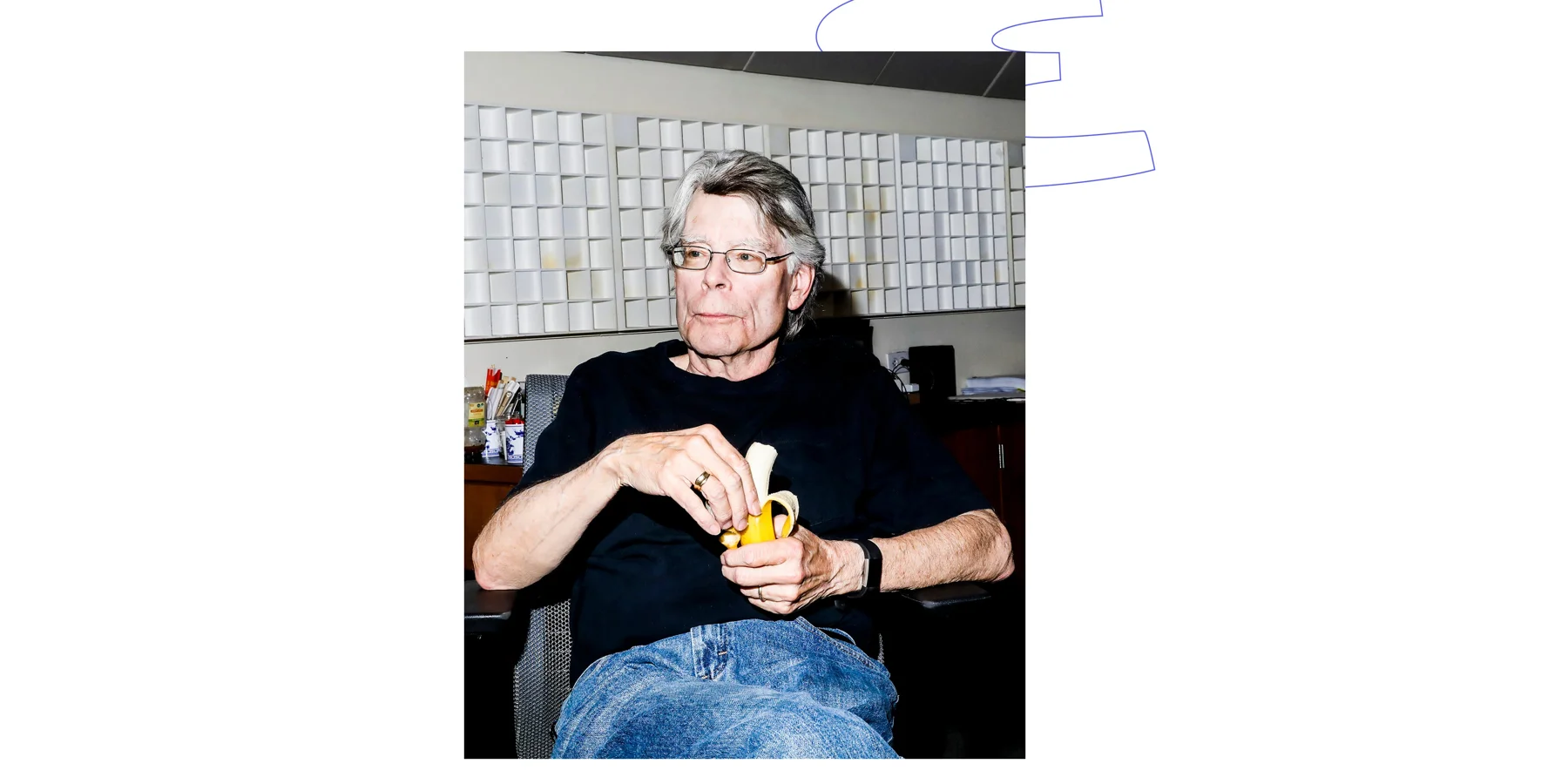
Stephen King’s Personal Connection to Earth vs. Flying Saucers
Stephen King revealed the significance of the film Earth vs. Flying Saucers in the introduction to his 1981 nonfiction book Danse Macabre. He recounted how attending a Saturday afternoon screening of the alien invasion movie played a pivotal role in shaping his understanding of fear and inspired his horror writing career. During the film, the theater experience was abruptly halted by a nervous announcement by the theater manager, bridging cinematic fantasy and real-world dread in a lasting, unforgettable moment for King.
We sat there in our seats like dummies, staring at the manager,
King wrote.
He looked nervous and sallow—or perhaps that was only the footlights. We sat wondering what sort of catastrophe could have caused him to stop the movie just as it was reaching that apotheosis of all Saturday matinee shows, ‘the good part.’ And the way his voice trembled when he spoke did not add to anyone’s sense of well-being.
The manager’s shaky announcement revealed the cause.
‘I want to tell you,’ he said in that trembly voice, ‘that the Russians have put a space satellite into orbit around the earth. They call it…Spootnik.’
The Cold War Shock That Overlapped with Childhood Imagination
That moment when the theater paused its fictional alien invasion to inform an audience of the real world’s Cold War tension—the launch of the Sputnik satellite—represented a collision between childhood fantasy and harsh adult reality. This experience profoundly influenced King’s approach to horror, where the mundane and the terrifying coexist and intermingle. The inclusion of Earth vs. Flying Saucers in IT: Welcome to Derry is a deliberate, meaningful nod to this defining intersection in King’s life, reinforcing the series’ deeper ties to the author’s original territory and emotional themes.
What to Expect as the Series Progresses
IT: Welcome to Derry continues to air new episodes every Sunday on HBO, steadily peeling back the layers of the town’s dark past. The series promises to explore more of the historical tragedies hinted at in previous IT adaptations, while weaving in subtle references and Easter eggs that enrich the viewing experience for Stephen King fans and newcomers alike.
As the show develops, audiences can anticipate additional intriguing connections to King’s wider body of work and perhaps new insights into Derry’s eerie landscape and its cosmic menace. The creative decision to link the series to significant historical events and to King’s personal memories heightens the depth and resonance of the storyline, making IT: Welcome to Derry not only a horror series but also a contemplative reflection on fear and history.
