
James Gunn’s DCU adaptations have gained strong momentum with shows like Creature Commandos, Superman (2025), and Peacemaker season 2 receiving positive reactions. While the DC universe under Gunn’s leadership is clearly headed in a promising direction, taking creative risks inspired by earlier projects like Young Justice could elevate the franchise even further.
Following the conclusion of Peacemaker season 2, the overarching narrative of Salvation appears poised to shape many upcoming stories within the DCU. This focus offers fresh excitement for casual and devoted fans alike, with numerous projects currently underway. Despite this structured approach, James Gunn’s DCU would benefit from moving beyond strict comic fidelity and embracing bold storytelling choices.
Why James Gunn’s DCU Should Embrace Bold Storytelling Like Young Justice Did
In today’s climate, superhero adaptations often face intense scrutiny regarding their faithfulness to original comics. Young Justice, which first aired in 2010, defied this trend by rewriting many elements, creating a novel and captivating story instead of strictly adhering to source material. Its creative liberties became a key factor in its success.
Though some fans criticize deviations from the comics, the animated series’ unique direction strengthened its narrative and character development. For James Gunn’s DCU, this suggests the potential advantage of balancing respect for the comics with imaginative departures. While not every detail needs alteration, allowing room for riskier choices could add depth and unpredictability to the universe.
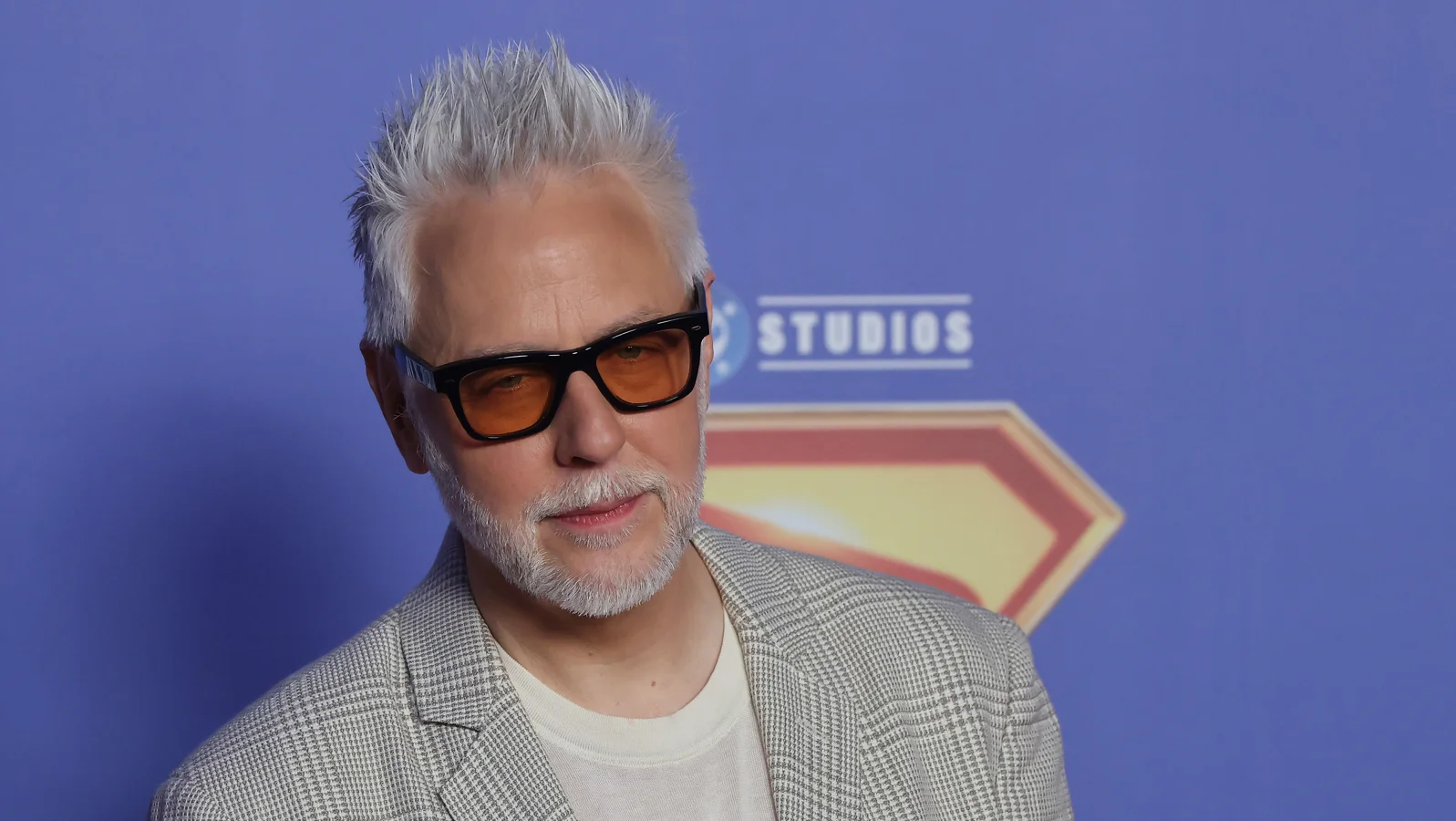
Fans are unlikely to support extreme shifts like Batman turning homicidal or Superman becoming villainous, but taking moderate chances would show confidence in fresh ideas rather than relying solely on established comic portrayals. Gunn’s deep knowledge of the DC universe, combined with his record for producing unconventional stories, positions him well to take such creative risks.
Understanding Why Young Justice Was One of DC’s Most Controversial Adaptations
Superhero adaptations regularly experiment with character traits or costumes, but Young Justice’s departures were unprecedented in scale. Rather than minor adjustments, it crafted a largely original tale with a new ensemble of heroes within its own distinct universe. The show often explored darker and more mature themes than typically expected from DC animated series.
The series intentionally moved away from the familiar, focusing on a younger generation of heroes struggling to define their roles rather than replicating known characters’ stories exactly. This approach initially divided fans who anticipated a lighter, more playful treatment of the relatively lesser-known source material.
Plot decisions in Young Justice were bold and risky, such as a significant time jump between seasons and the unexpected death of a founding team member. These elements made the show one of the most daring superhero adaptations of the 21st century, yet it succeeded despite controversy and skepticism.
How Young Justice Overcame Challenges to Become a Beloved DC Series
Often ranked alongside classics like Batman: The Animated Series and Teen Titans, Young Justice earned acclaim by combining dark themes with heartfelt storytelling and unexpected twists. This blend created a memorable viewing experience that appealed to audiences looking for more complex superhero narratives.
The show notably provided some of the most compelling portrayals of characters such as Artemis Crock, Miss Martian, and Wally West across all DC media. Episodes including Summit, Coldhearted, and Agendas continue to be highlighted as exemplary tales in DC’s animated history.
Young Justice’s character arcs, engaging villains, and well-placed humor helped transform an adaptation criticized for its unfaithfulness into a modern classic. Its high quality is reflected in the many episodes scoring above 9.0 on IMDb and its critical success, especially in the first two seasons, proving that the risks taken enriched the story rather than weakened it.
Signs of Risk-Taking in James Gunn’s Current DC Universe Projects
While the DCU can learn much from Young Justice’s example, James Gunn’s projects already exhibit a willingness to take chances. His debut project as head of DC was Creature Commandos, spotlighting obscure characters unfamiliar to many mainstream viewers, demonstrating his intent to diversify storytelling beyond well-known heroes.
Peacemaker season 2 further confirmed that lesser-known and morally complex characters will play major roles moving forward, emphasizing that the DCU will not rely solely on icons like Batman or Wonder Woman. Gunn’s ability to humanize characters such as Superman and Lex Luthor, shifting away from Zack Snyder’s darker interpretations, also illustrates his focus on fresh, relatable portrayals.
Young Justice offers an effective template for the DCU to create engaging stories without replicating comic plots verbatim. Gunn’s initial ventures show his readiness to think outside conventional boundaries, which could help build a DC Universe with lasting impact and broad appeal.
