
The Witcher Season 4 on Netflix introduces a noticeably different Geralt of Rivia, offering a unique in-universe reason for the change in appearance. This adjustment comes after Henry Cavill, the original actor known for the role, left the series in October 2022, paving the way for Liam Hemsworth to take over. The show provides a creative explanation for this shift while maintaining continuity, addressing the audience’s questions surrounding the Henry Cavill Geralt recasting.
How The Witcher Addresses the Change in Geralt’s Appearance
<pRecasting a lead character in a popular series often provokes mixed emotions among fans, and The Witcher took a thoughtful approach rather than ignoring the transition. Season 4 begins about a century in the future, focusing on an elder named Stribog who narrates the tales of Geralt, Yennefer, and Ciri to an eager group of children. This storytelling device reshapes the events of the series as legends passed down over time, legitimizing any differences in how Geralt is described and portrayed.
The Show’s Clever Narrative for Henry Cavill’s Departure
The Witcher Season 4 embraces the recast by weaving it into the plot itself. When one child named Nimue challenges Stribog’s accuracy, he responds:
“It was 100 years ago. There is no right and wrong.”
—Stribog. This line implicitly acknowledges Hemsworth’s new role and also nods to the variances between the show and the original books. Initially, the series reveals Hemsworth’s Geralt only from behind, heightening suspense before revealing his face and fully integrating the new actor.
Throughout Season 4, several iconic scenes from earlier seasons are revisited, now with Hemsworth portraying Geralt. Viewers see key moments such as Geralt’s battle with the kikimora, the power kiss shared with Yennefer, his first meeting with Ciri, and the confrontation with Vilgefortz from Season 3. Redoing these scenes reinforces Hemsworth’s position as the new Geralt while fitting seamlessly into the storyteller’s framing.
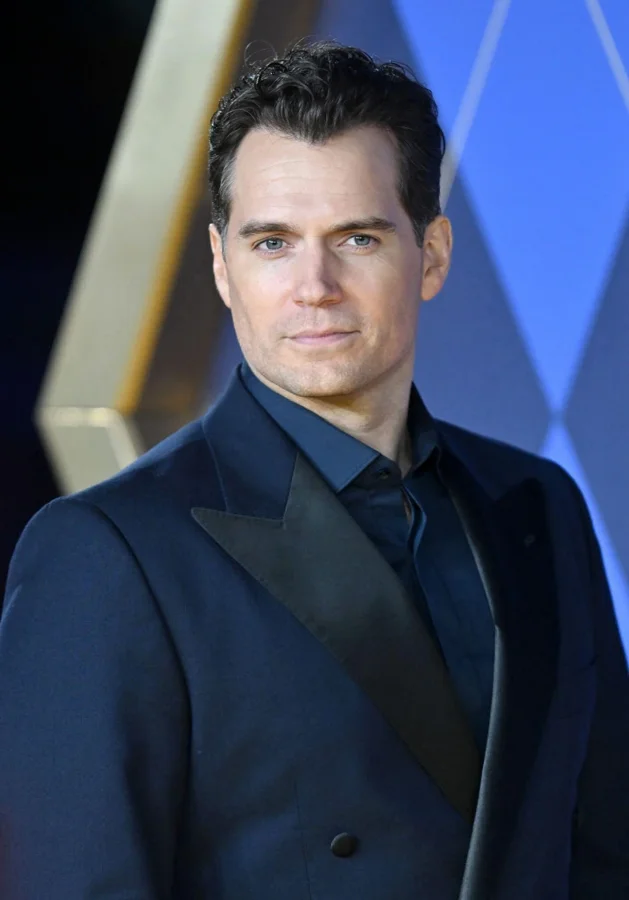
A Practical and Respectful Way to Handle the Casting Change
This meta-narrative solution effectively addresses the expectations around recasting without causing disruption for viewers. The show sidesteps complicated explanations, such as multiverse theories, which had previously been rumored. Instead, it chooses to continue with the same incarnation of Geralt, subtly acknowledging the replacement rather than rewriting the character entirely. Following the introductory framing, the narrative moves forward confidently without dwelling on the switch, allowing Liam Hemsworth to inhabit Geralt naturally.
The recasting came after Cavill’s exit, reportedly influenced by creative differences, scheduling conflicts, and a wish to pursue other roles. The series’ decision to frame the recasting within the story signals respect for the audience’s intelligence and emotional investment in the character while adapting to changes behind the scenes.
The Witcher Season 4 is now available for streaming on Netflix.
Looking Forward: The Impact of the Recast on The Witcher’s Future
The in-universe explanation for the Henry Cavill Geralt recasting not only preserves continuity but also opens doors for fresh storytelling possibilities. By embracing the idea of legend and memory within its narrative, the show provides flexibility for future characters and plot developments. This method reduces potential backlash and helps maintain viewer engagement during the transition.
With Liam Hemsworth firmly established in the role, The Witcher can continue exploring its complex fantasy world without disruption. Fans and newcomers alike can anticipate how the character’s journey unfolds under this new portrayal, while remaining connected to the show’s deep-rooted themes and mythos.
