
Quentin Tarantino, renowned for his outstanding career as a director and screenwriter, surprisingly contributed to one of the worst movies linked to Saturday Night Live, the 1994 film It’s Pat. This Quentin Tarantino SNL rewrite took place between his releases of Reservoir Dogs and Pulp Fiction, but the final film earned a 0% rating on Rotten Tomatoes and barely made a mark at the box office.
The Untold Story of Tarantino’s Rewrite on the SNL Spinoff
While Quentin Tarantino is celebrated for his directors’ cuts, he also has a solid reputation as a screenwriter, having crafted scripts for notable films such as True Romance and From Dusk Till Dawn. He also did an uncredited rewrite for Tony Scott’s Crimson Tide, adding layers of pop culture references to the project. Yet, his involvement in the SNL spinoff movie It’s Pat is a lesser-known, less flattering part of his career.
The movie is based on the original Julia Sweeney sketch from Saturday Night Live, where the character Pat—an androgynous individual known for a plaid shirt—is at the center of jokes about their ambiguous gender. The sketches never resolved Pat’s gender, relying on this mystery for humor, although this concept has not aged well. Tarantino, however, has expressed a fondness for the character and the sketch.
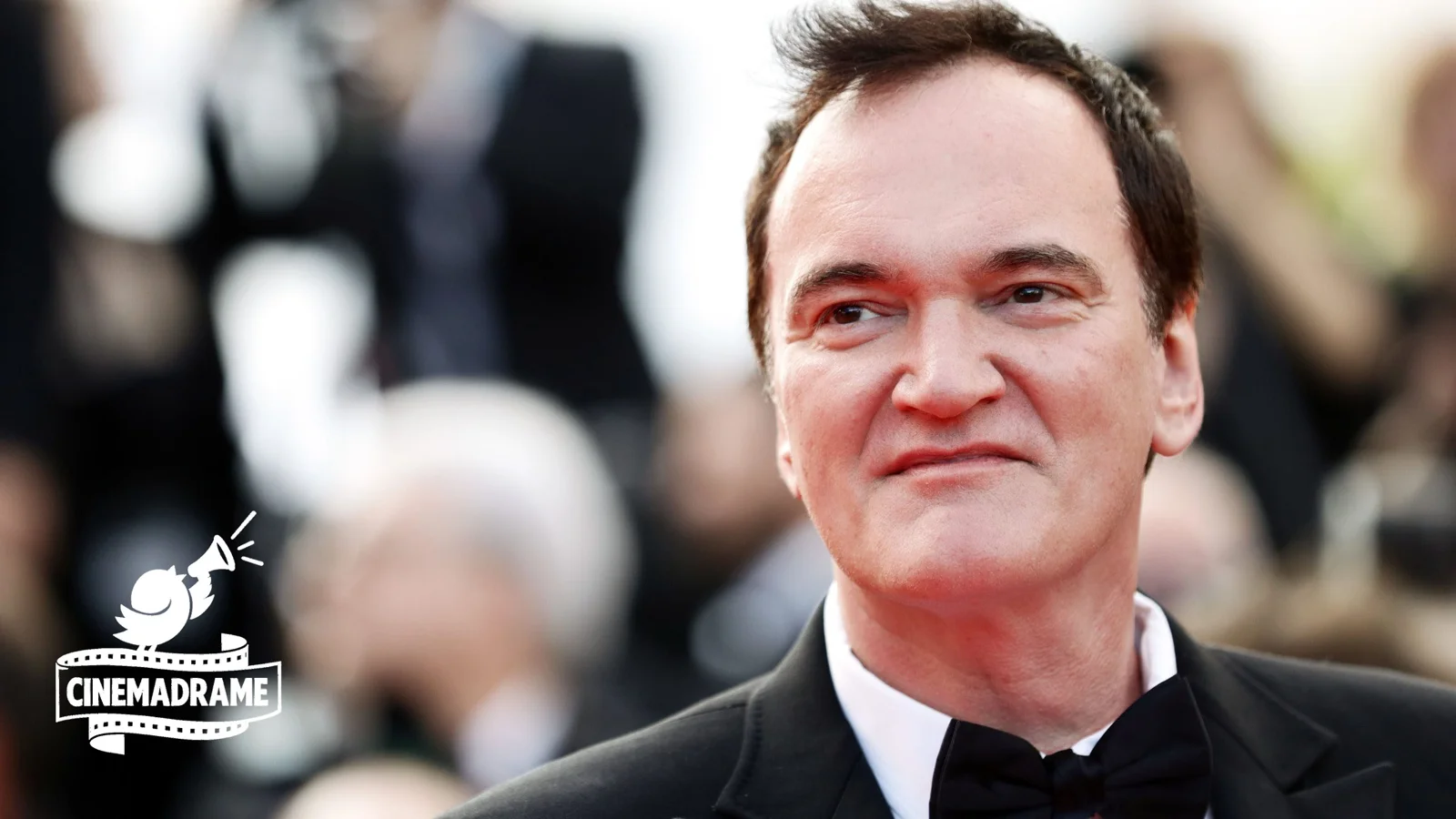
By 1993, after multiple rewrites, Tarantino was handed the script for It’s Pat to rewrite. According to Variety’s reports from the time, this version was what producers ultimately presented to studios to initiate the film’s production. Tarantino introduced the storyline of a persistent stalker who pursues Pat, adding tension that was not present before.
Why It’s Pat Became Saturday Night Live’s Most Criticized Film
Adam Bernstein directed the movie, which officially credits Julia Sweeney, Jim Emerson, and Stephen Hibbert for the screenplay, while Tarantino’s rewrite remained uncredited, similar to his work on Crimson Tide. This anonymity may have been fortunate, as the movie was a critical and commercial disaster, recording a dismal 0% on Rotten Tomatoes.
With a budget of $8 million, It’s Pat earned only $60,822 at the box office. Fox released the movie in just 33 theaters, specifically in Seattle and Spokane in Washington, and Houston, Texas, reflecting little confidence from the studio. The film was quickly moved to home video seven months later, indicating its failure to connect with audiences.
Critics were unforgiving. Variety described the movie as “unfunny,” while the Los Angeles Times acknowledged a worthwhile message but criticized the delivery as “truly terrible.” Even Quentin Tarantino could not salvage the film from its poor reception.
Quentin Tarantino’s Personal Connection to the Pat Character
What makes this failure more troubling is Tarantino’s genuine admiration for the character of Pat from the SNL sketches. He joined the rewrite team hoping to enhance the story and showcase the character’s unique traits better. In a 1994 Playboy interview, he explained his appreciation:
“The androgyny aspect is only a part of Pat’s appeal. What I love about the character is that Pat is so fu—ng obnoxious.”
— Quentin Tarantino, Director and Screenwriter
Despite not knowing Pat’s gender definitively, Tarantino confessed he imagined Pat as a girl, citing a sketch with Harvey Keitel where Pat kissed him. He insisted that
“Pat didn’t kiss like a guy,”
but rather “Pat kissed like a girl.”
The film continued the original sketch’s mystery around gender by introducing a character named Chris, played by Dave Floey, who was also sexually ambiguous. In the movie’s conclusion, Chris and Pat marry, but the characters’ physical identities remained deliberately undisclosed, with even scenes showing genitalia obscured from viewers.
Still, Tarantino’s love for Pat’s obnoxiousness conflicted with the movie’s intention. The character’s obnoxious nature was never supposed to be the core of the story. Instead, the message was that gender should not be a defining factor, and what truly matters is embracing oneself fully.
Why Tarantino Avoided Making a Traditional Comedy
The resounding failure of It’s Pat appears to have had a lasting impact on Tarantino’s career choices. His films rarely venture into straightforward comedy. Instead, his work includes sharp, provocative humor that serves to relieve tension within crime dramas rather than generate outright laughs.
Examples of his trademark humor appear in films like Pulp Fiction, Kill Bill, The Hateful Eight, and Django Unchained. These moments of dark or risqué humor complement the narrative drama but do not aim to fit the conventions of broad comedy.
The very low audience approval for It’s Pat, hovering around 30%, combined with the harsh critical reception, likely encouraged Tarantino to focus on the genres where he is strongest. The film stands as a rare misstep in an otherwise acclaimed career, highlighting the risks even talented creators face when diverging from their successful formulas.
