
Al Pacino emerged as one of the most compelling actors of the 1970s, starring in a series of films that solidified his reputation during a decade when movie-going was more accessible and affordable. His influence on cinema, especially during this formative period, is immense, making the Best Al Pacino 1970s Movies essential viewing for any film enthusiast. From iconic classics to lesser-known works, this ranking evaluates his films of the decade based on his performances, impact on his career, and lasting legacy.
The Least Successful Yet Recognizable: Bobby Deerfield (1977)
By 1977, Al Pacino was already a global icon and an Oscar nominee, yet not all of his projects achieved commercial or critical acclaim. Bobby Deerfield, directed by Sydney Pollack, casts Pacino as a European race car driver who grapples with personal loss while falling in love with a terminally ill woman named Lillian, played by Marthe Keller. Although the story carried emotional weight, the film struggled at the box office, grossing only $9.3 million.
Modern critics have largely been unforgiving, with Rotten Tomatoes showing a mere 29% approval. However, notable critic Roger Ebert’s contemporary review was more favorable, awarding three stars and describing the film as
“a big, slick melodrama that knows exactly what it wants to accomplish and does so with great craft.”
Roger Ebert
Despite its lack of popularity, Pacino’s performance earned him a Golden Globe nomination, reaffirming his ability to draw acclaim even in less celebrated work.
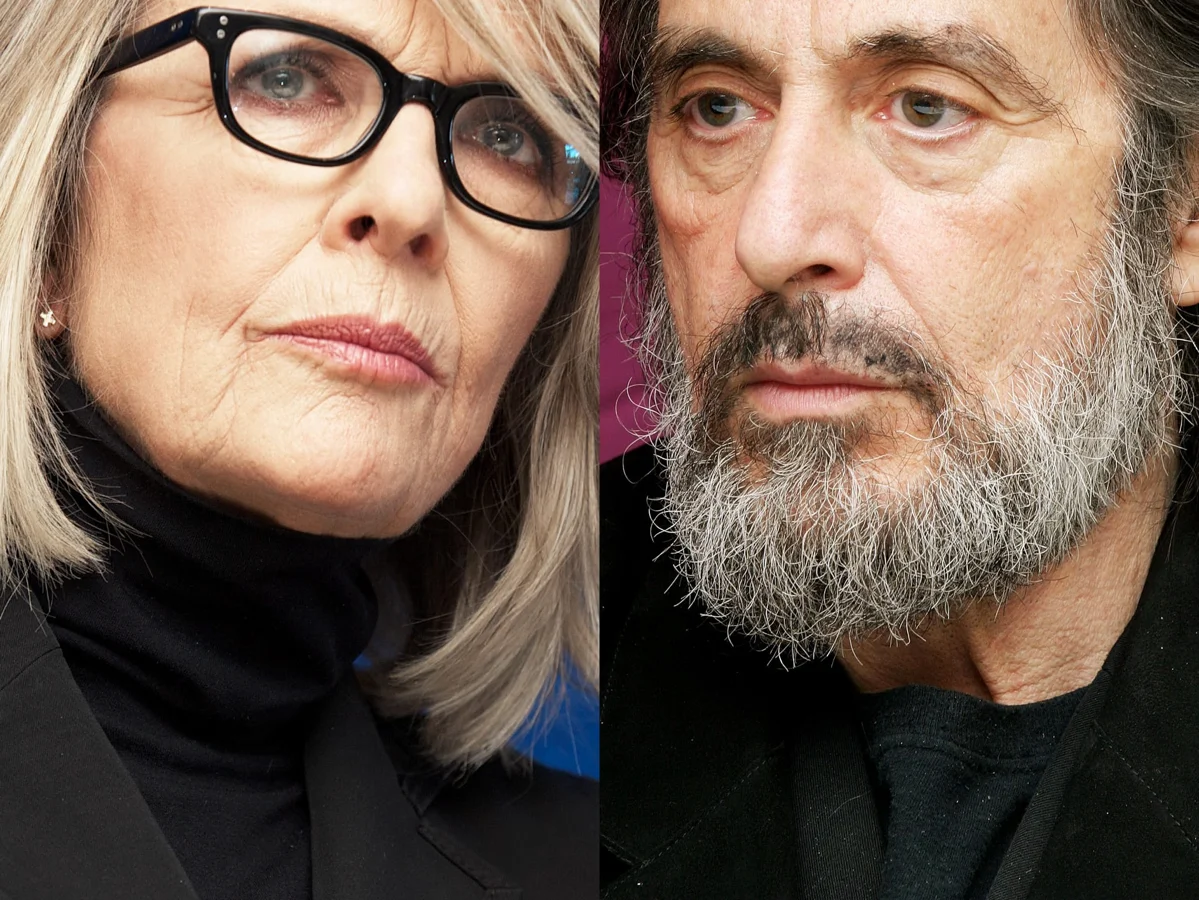
Al Pacino’s Breakthrough Lead: The Panic in Needle Park (1971)
Pacino’s first lead role came early in the decade with Jerry Schatzberg’s The Panic in Needle Park, a dark, unflinching portrayal of two heroin addicts falling in love on the streets of Manhattan. The film’s raw perspective on addiction and love was bleak but carried moments of hope. Pacino and co-star Kitty Win delivered deeply affecting performances that anchored the film’s intensity.
Though Pacino did not receive award nominations for this debut, Kitty Win secured Best Actress at Cannes, signaling the film’s artistic significance. The gritty realism and emotional depth demonstrated here made it clear that Pacino was destined for major stardom.
The Road Film Revisited: Scarecrow (1973)
In 1973, Pacino reunited with Schatzberg for Scarecrow, a road movie with lighter tones compared to his previous gritty work. Joined by acting legend Gene Hackman, Pacino plays Francis, paired with Hackman’s Max, as they journey from California to Pittsburgh with hopes of starting fresh by opening a car wash.
Roger Ebert compared Scarecrow to classics like Of Mice and Men and Midnight Cowboy, noting that while the plot veered into melodrama by the end, the performances of Pacino and Hackman elevated the film beyond its sometimes overwrought story. Their chemistry and talent provided the film’s emotional core, showcasing Pacino’s ability to bring depth to character-driven stories.
Challenging Corruption in the Courtroom: …And Justice for All (1979)
The closing film of the decade for Pacino was the powerful courtroom drama …And Justice for All, directed by Norman Jewison. Pacino stars as Arthur Kirkland, a defense attorney in Baltimore who confronts systemic corruption when he must defend a judge accused of a heinous crime. The film’s authentic setting in Baltimore reinforces the gritty realism.
While courtroom dramas often lean on familiar tropes, this film stands out due to Pacino’s intense portrayal. One of its most memorable moments is when Kirkland shouts,
“This whole trial is out of order!”
Arthur Kirkland
Pacino’s performance earned him another Oscar nomination for Best Actor, but once again, the Academy failed to award him, despite his commanding presence and the film’s critical success.
Exposing Police Corruption: Serpico (1973)
Among Pacino’s masterpieces of the 1970s is Serpico, directed by Sidney Lumet and based on the true story of Frank Serpico, an NYPD detective who battles corruption within his own department. The film’s exploration of integrity against overwhelming odds resonates intensely, positioning Pacino as a flawed but inspiring hero.
Serpico performed strongly at the box office, earning nearly $30 million, and secured Pacino a Best Actor Oscar nomination, while he won the Golden Globe in the same category. Its dark, raw tone, paired with an underlying spirit of hope, earned the film a spot at number 84 on the American Film Institute’s list of most inspiring films of all time, highlighting its enduring cultural relevance.
Bank Robbery with a Cause: Dog Day Afternoon (1975)
Sidney Lumet directed another classic featuring Pacino’s intense energy as Sonny Wortzik, the desperate bank robber at the center of Dog Day Afternoon. The film’s plot, daring for its time, revolves around Sonny’s criminal act motivated by the need to finance a sex-change operation for his lover, Leon, portrayed by Chris Sarandon.
Pacino’s passionate portrayal captures a man pushed to extremes, eliciting both sympathy and tension from audiences. His iconic chant, “Attica! Attica!”, remains one of the most memorable movie moments, expressing the desperation and anger boiling beneath the surface. The film was a major success, earning six Academy Award nominations and winning Best Original Screenplay for Frank Pierson, further cementing Pacino’s status as a versatile and compelling actor.
Commanding the Sequel: The Godfather Part II (1974)
While both Godfather films are undeniably great, The Godfather Part II elevated Pacino’s status from promising star to leading man. Director Francis Ford Coppola placed Michael Corleone, portrayed by Pacino, at the forefront, chronicling his ruthless rise as the new Don after Marlon Brando and James Caan’s characters exit the storyline.
The film’s dual narrative, featuring Robert De Niro’s Oscar-winning turn as young Vito Corleone, contrasts with Michael’s dark transformation. The Godfather Part II won seven Academy Awards, yet despite Pacino’s commanding performance and a Best Actor nomination, he lost to Art Carney for his role in Harry and Tonto, a result viewed by many as a surprising snub.
The Defining Classic: The Godfather (1972)
Al Pacino’s breakthrough came with The Godfather, only his third film role, where he plays Michael Corleone, the reluctant heir to the Corleone crime family. Unlike the sequel, where Michael is a hardened villain, the original film traces his transformation from a desire for normalcy to embracing his family’s dark legacy after his father, Vito Corleone, played by Marlon Brando, is targeted and ultimately passes away.
The film dominated 1972, earning $133 million and winning three Academy Awards, including Best Picture and Best Actor for Brando, who famously declined the honor. Pacino’s first Oscar nomination came here as Best Supporting Actor, marking the moment he moved from obscurity to cinematic legend. His portrayal of Michael became unforgettable, setting the foundation for one of the most celebrated careers in film history.
