
The latest adaptation of Stephen King’s novel The Running Man arrived in theaters on November 14, 2025, showcasing Glen Powell in a leading role. Set against a dystopian America in 2025, the film explores a deadly game show where contestants try to survive assassins known as Hunters for 30 days to claim a grand prize, blending intense action with political undertones.
A Strong Cast Brings Life to a Roughly Surviving World
Glen Powell stars as Ben Richards, a blacklisted worker and determined father forced to join the perilous game show to save his ill daughter. Although Powell’s polished appearance might initially seem at odds with the hardened working-class character, his portrayal effectively channels genuine anger and conviction, making him a compelling protagonist. Josh Brolin plays Dan Killian, the ambitious show producer, while Colman Domingo embodies the charismatic and predatory host Bobby T., both delivering layered performances that portray the manipulative media environment.
Other cast members add notable depth despite limited screen time. Lee Pace’s portrayal of the hunter Evan McCone, though brief and sparse on dialogue, remains striking and memorable. Katy O’Brian’s performance as Laughlin impresses through subtlety, and Michael Cera offers a standout cameo, injecting personality and memorable moments even in a short segment. Collectively, the ensemble grounds much of the film’s emotional core, anchoring the heightened stakes of this dystopian setting.
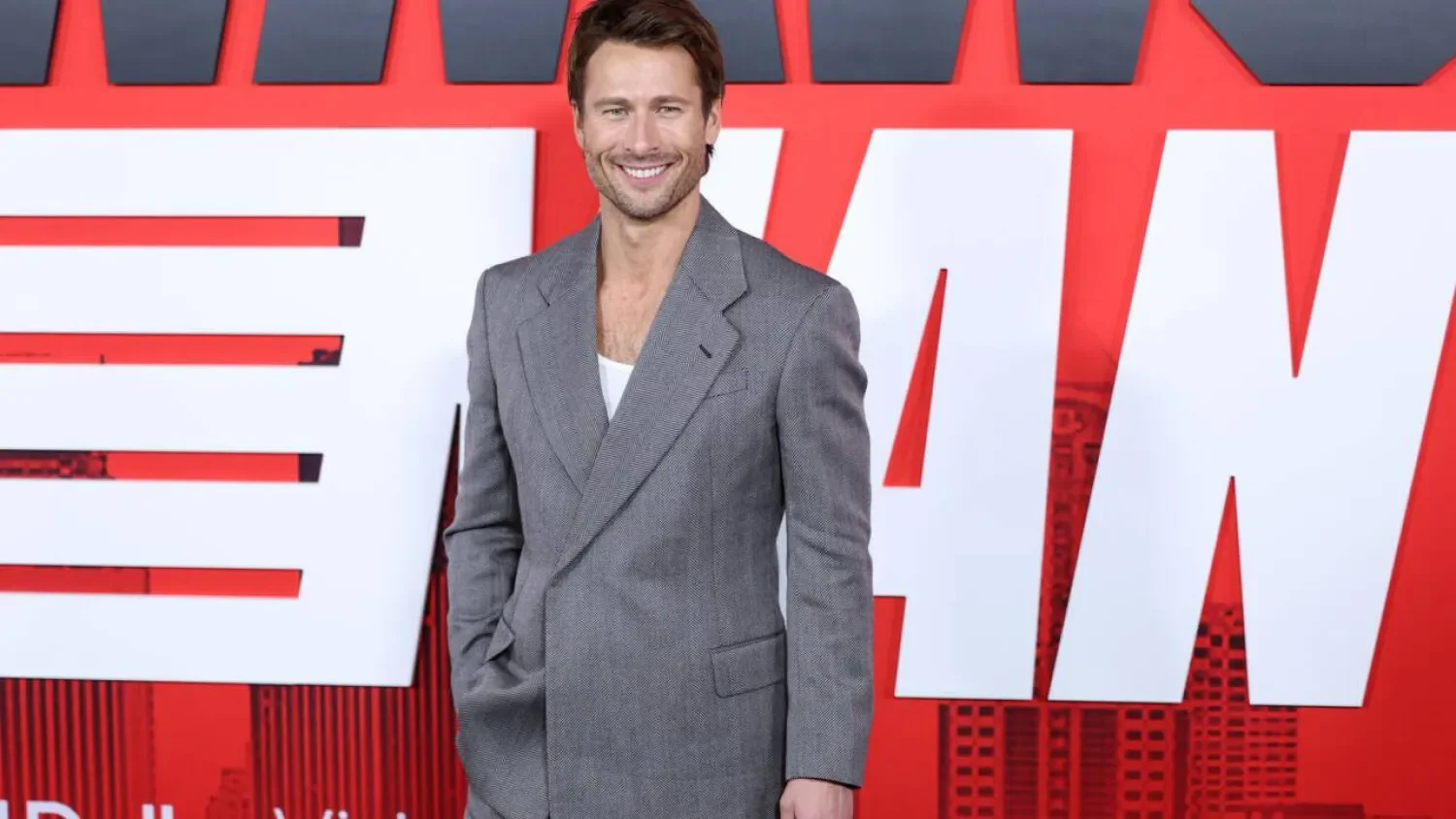
Inconsistent Tone and Pacing Undermine the Film’s Ambitions
The Running Man captures the brutal, consumer-driven dystopia depicted in King’s novel, likening the televised violence to the Roman Empire’s infamous “bread and circuses” approach to pacifying the public. The film cleverly integrates themes of propaganda and media control, portraying how the game show’s producers manipulate Ben’s image to sway public opinion—a reflection of contemporary concerns over media influence.
However, the movie struggles to maintain a consistent tone. Its shifts between action sequences, political thriller elements, and dramatic reflection often feel jarring, preventing a cohesive atmosphere. Notably, tension is surprisingly sparse during moments that should brim with suspense, such as Ben’s efforts to evade Hunters. This dearth of sustained suspense weakens the narrative drive across key scenes.
Ben Richards is established early as a principled man who values workers’ rights, yet this depiction is unevenly developed. While his personal frustrations are visible throughout, the character’s deeper transformation and internal conflict receive limited exploration. When Ben eventually embraces his symbolic role, it arrives with a sudden, disengaged energy, underscoring a lack of clarity in the film’s character arc. This inconsistency suggests conflicting writing directions that were never fully reconciled.
Director Edgar Wright, known for his precise pacing and sharp editing in films such as the Cornetto Trilogy and Scott Pilgrim vs. the World, delivers a less polished product here. The film’s flow feels uneven, with action-heavy stretches feeling truncated and slower moments unable to build lasting suspense. The altered ending deviates from King’s original, offering catharsis but lacking narrative justification, which further detracts from the film’s overall coherence.
Powell’s Performance Stands Out Amidst a Chaotic Narrative
Despite The Running Man’s flaws, Glen Powell energizes the film with a dynamic and forceful performance, combining television bravado with striking physicality. His charisma elevates much of the material, allowing viewers to engage with the storyline even as the script falters. Supporting performances—from Brolin’s calculating Killian to Domingo’s magnetic Bobby T.—add layers to the thematic exploration of media spectacle and control.
Secondary characters offer flashes of intrigue, though some are unfortunately sidelined. Michael Cera’s brief appearance injects memorable moments, and Katy O’Brian’s Laughlin leaves a lasting impression despite limited development. Lee Pace makes notable use of his concise role, delivering a palpable presence in the Hunter Evan McCone. Collectively, these performances inject moments of originality and engagement into an otherwise uneven narrative fabric.
The Film’s Broader Themes Reflect Modern Media and Societal Struggles
The Running Man’s depiction of a dystopian game show echoes real-world discussions around media manipulation and the commodification of violence for entertainment. The film explicitly references historical parallels such as Roman gladiatorial games, emphasizing how public distraction through spectacle remains a persistent societal tactic. The portrayal of a divided America, where workers like Ben Richards are marginalized for advocating union rights, reinforces contemporary social tensions embedded in the storyline.
Moreover, the film’s exploration of identity and resistance against oppressive systems offers relevant commentary, even if the execution occasionally stumbles. Ben’s journey from disempowered laborer to reluctant symbol captures a tension familiar in political narratives, though the film’s storytelling inconsistencies reduce its emotional impact.
Looking Ahead: Potential for a Stronger Cut and Future Projects
The Running Man’s release adds to the ongoing interest in Stephen King adaptations, though it leaves audiences with mixed impressions due to its uneven tone and pacing. Glen Powell’s performance emerges as a highlight, demonstrating his potential to headline intense, action-driven roles, perhaps in mythic or heroic narratives such as an Achilles portrayal.
Given the film’s fragmented structure and unresolved narrative threads, there is significant room for a director’s cut that could refine pacing and deepen character development. Fans of Edgar Wright may hope for a more cohesive version that better aligns with his acclaimed craftsmanship. Meanwhile, the strong cast performances and thematic relevance suggest the movie holds promise, despite its current shortcomings, for influencing future dystopian thrillers and media critiques in cinema.
