
Dave Bautista crime thriller Trap House offers a unique mix of intense crime drama and heartfelt teen storytelling, set in El Paso. This film follows a group of teenagers who, inspired by their DEA agent parents’ tactics, take on the local cartel, creating an uneasy yet gripping balance between action and emotional depth.
A Distinctive Mix of Crime and Youthful Perspective
Trap House carefully weaves together the elements of a dark crime thriller alongside the lives of teenagers caught in extraordinary circumstances. The story begins with the fallout after a DEA raid leaves an officer dead, serving not just as a plot catalyst but as a doorway into exploring the emotional impact on both law enforcement families and their children. The teens are forced to confront the frightening possibility that their own parents could be next, which propels them into a proactive and daring response.
The film’s central plot unfolds as these teenagers adapt their parents’ law enforcement strategies, using stolen DEA equipment to mount a heist against the cartel. Their motivation is rooted in solidarity—to support their friend’s family after the devastating loss. This choice reflects authentic teenage rebellion, grounded in loyalty and the desire to protect those they care about, while maintaining a strong connection to the crime thriller foundation.
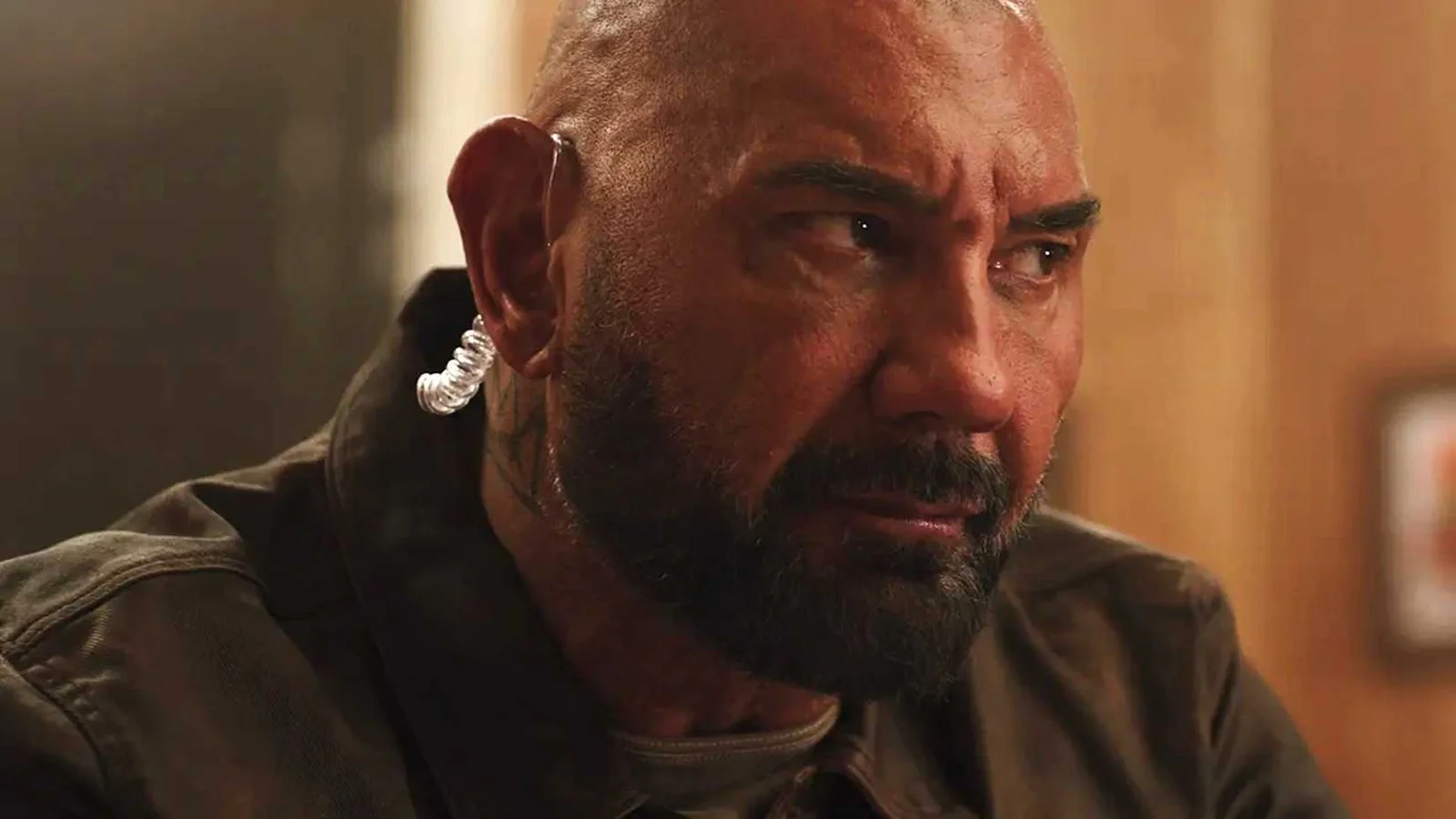
A significant strength of Trap House is how it manages to balance its focus on family dynamics without sidelining the intense crime sequences. The cartel is portrayed with complex characters, such as the cartel leader played by Tony Dalton, whose powerful performance captures both menace and vulnerability, revealing a man who looks after his ailing father and deals with sibling disputes.
The movie’s rhythm alternates between action-packed shootouts and quieter moments that explore strained father-son relationships, providing a solid emotional core. Rather than relying on typical teenage stereotypes, the characters feel contemporary and grounded, blending the familiar archetypes of heist films with more nuanced, dramatic storytelling. This combination deepens the tension on both sides—the teens’ dangerous undertaking and the DEA’s investigative challenges complicated by family issues.
Exploring the Importance of Family Amid Crime and Conflict
Trap House also challenges expectations surrounding traditional teenage storylines, especially in how it handles romance. Instead of predictable narratives, the film integrates plot developments that maintain focus on its crime thriller roots while enriching character development. This choice preserves pace and intensity, allowing emotional and action elements to coexist effectively.
Beyond delivering a mix of suspense and drama, Trap House earns praise for its refusal to offer simplistic resolutions. It embraces moral ambiguity, with characters facing difficult ethical choices and personal sacrifices, set against a backdrop of grief that resonates with coming-of-age themes. These layers elevate the film’s storytelling, making it more than just a heist or teen drama.
By placing a cast reminiscent of a youth-centered series into a gritty crime world, Trap House emphasizes the theme that, despite violence and chaos, family remains paramount. Both heroes and antagonists contend with this truth, making the narrative character-driven even amid high-stakes confrontations and elaborate criminal plots.
While some viewers may find the blend of teenage-focused drama and cartel crime storylines unusual, Trap House remains compelling as a drama infused with exciting action and inventive ideas. It represents a fresh approach to well-established genres, highlighting the emotional and moral complexities faced by its characters.
Notable Performances and Cast Dynamics
Dave Bautista anchors the film alongside a strong cast including Tony Dalton, whose portrayal of the cartel leader delivers memorable intensity. Jack Champion and Sophia Lillis portray the teenagers whose lives intertwine with their parents’ dangerous work, bringing authenticity to the youth perspective. Together, the ensemble supports the film’s genre fusion, allowing the story to explore character-driven themes amidst thrilling criminal action.
