
The 2015 movie Fantastic Four, once viewed as a promising reboot for Marvel’s First Family, ended up as one of superhero cinema’s most public failures, with its fate now dissected by star Miles Teller. During a recent SiriusXM interview, Teller, who played Reed Richards, revealed his candid view on the project’s disastrous trajectory and placed significant blame for the mishap, bringing renewed attention to the Miles Teller Fantastic Four failure.
The film, planned to revitalize a storied franchise, became quickly notorious for on-set conflicts, creative disputes, and a breakdown in communication behind the scenes. Now, nearly a decade later, Teller’s firsthand account sheds new light and emotion on how and why things unraveled so dramatically.
Star Recalls Trouble from the Start
Asked whether cast and crew recognized impending doom before release, Teller shared insight into the production’s atmosphere. He acknowledged the hard work invested, yet implied that a single individual played a pivotal, negative role in the film’s collapse.
“I think it’s unfortunate for that, because so many people worked so hard on that movie. And honestly, maybe there was one really important person who kind of f—ed it all up. Yeah.”
— Miles Teller, Actor
This comment points to broader issues lurking beneath the surface, as tension reportedly grew between creative leadership, cast, and crew during the making of the film.
Hopes Dashed for Superhero Stardom
For Teller, Fantastic Four represented a high-stakes opportunity—a chance to break out as a Hollywood leading man by joining the wave of big-budget superhero films. He reflected on the casting and his ambitions at the time, highlighting the allure the genre held for young actors searching for lasting success.
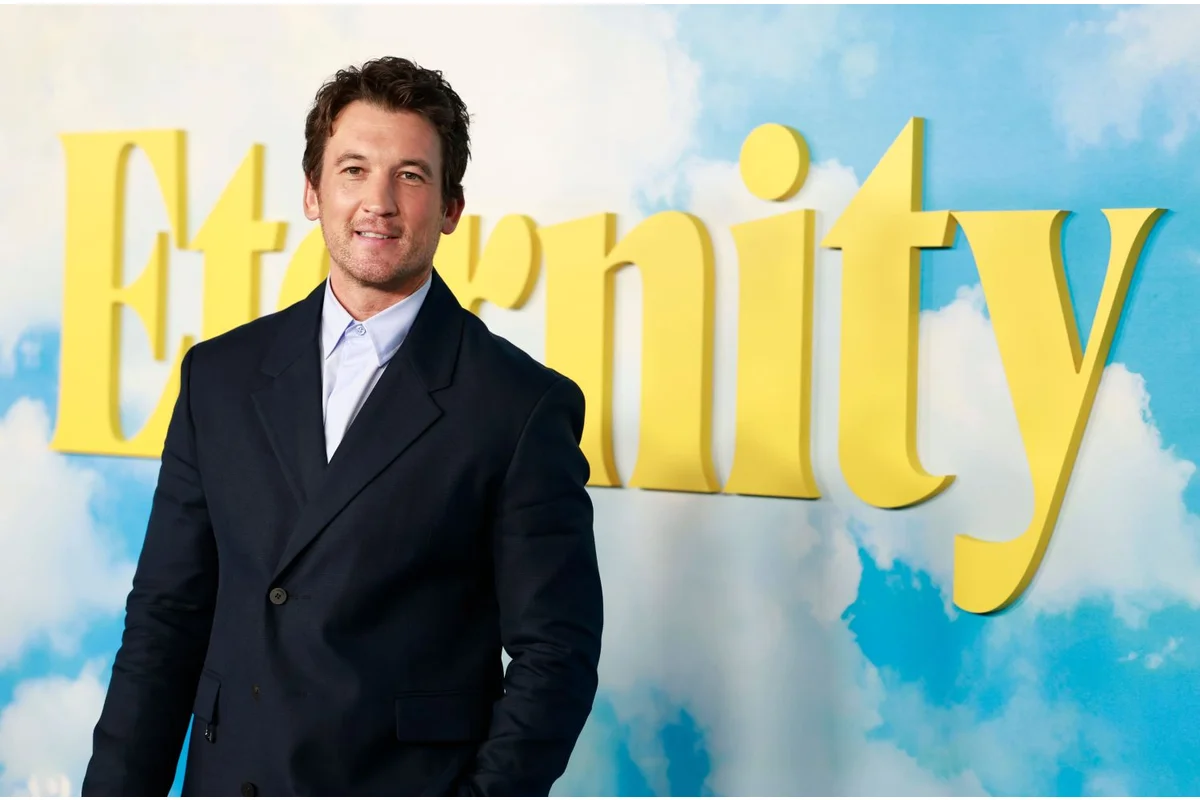
“But no, […] especially as a young actor, at that time, it’s like, ‘All right, if you wanna be taken seriously as a leading man, you gotta get on this superhero train.’ And that was our chance, and the casting, I thought, was spectacular. I love all those actors.”
— Miles Teller, Actor
However, production complications and mounting frustrations soon replaced the anticipation. When Teller finally watched the completed film, doubts turned into certainty about the looming reception.
“When I first saw the movie, I remember talking to one of the studio heads, and I was like, ‘I think we’re in trouble.’”
— Miles Teller, Actor
Serious Strife Behind the Camera
Though Teller refrained from openly naming the responsible party, industry accounts and press coverage repeatedly highlighted director Josh Trank’s behavior. Insiders described a working environment marked by frequent arguments and emotional strain, accentuated by Trank’s difficult relations with both cast and crew.
“On set, Trank was said to be abusive and insulting to the crew and cast. The studio hadn’t wanted Whiplash star Teller, but Trank had fought for him.”
— Insiders
“Then he ended up almost fighting Teller, who has a reputation for sarcasm and recalcitrance while working. At one point, the conflict nearly became physical, with Trank and Teller chest to chest, daring each other to throw the first punch. Neither did.”
— Insiders
The set grew increasingly volatile, with stories circulating about conflicts not only with Teller, but also with other main actors. Kate Mara, who played Sue Storm, reportedly endured especially harsh treatment from the director.
“Sources say his interactions with her at times ranged from cold to cruel.”
— Sources
Decades later, Mara would continue to describe the experience in negative terms, echoing the emotional fallout from those months of filming.
Public Fallout and Doom at the Box Office
As the release date approached, tensions spilled into public view. Trank posted a tweet hinting that a stronger cut of the film existed, but would never be seen by viewers, which cast additional doubt over the entire project.
“A year ago, I had a fantastic version of this. And it would’ve received great reviews. You’ll probably never see it. That’s reality though.”
— Josh Trank, Director
The timing and nature of this statement deeply damaged any remaining audience goodwill, reportedly costing 20th Century Fox millions of dollars as it undermined faith in the movie days before its debut.
When Fantastic Four finally arrived in theaters, it struggled both critically and commercially. Reviewers awarded it a dismal 9% on Rotten Tomatoes, and the global box office returned only $167 million against a hefty $120 million production cost. In the same year that Marvel’s juggernauts Ant-Man and Avengers: Age of Ultron reigned, the film’s failure appeared even more severe.
Legacy of a Notorious Superhero Flop
Miles Teller has since moved forward professionally, but the wounds from the Miles Teller Fantastic Four failure remain clearly visible through his recent comments. Designed to launch a fresh chapter for Marvel’s iconic Fantastic Four, the film instead set an example of how creative disagreements and toxic leadership can doom even the most highly anticipated franchises.
The saga illustrates the high stakes of blockbuster filmmaking and the enduring lessons that can be drawn for studios, actors, and directors involved in future reboots and superhero spectacles.
