
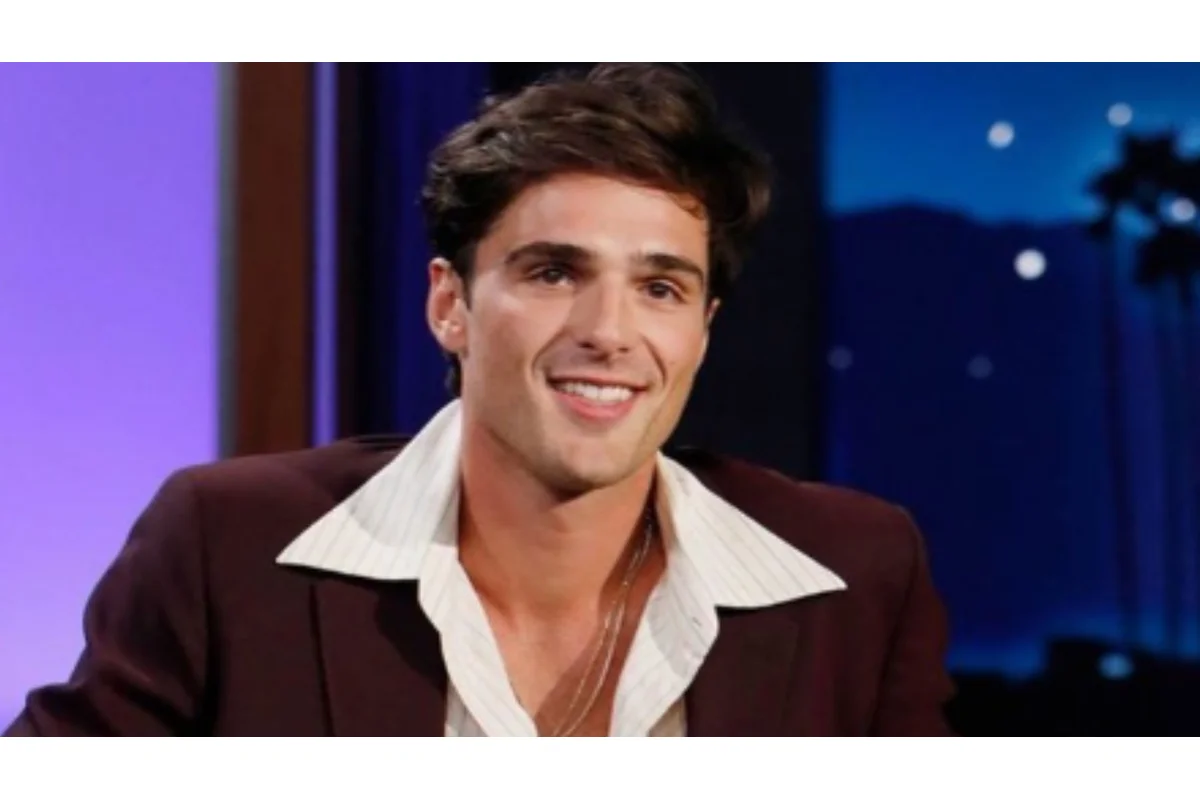
Guillermo del Toro‘s latest adaptation of Frankenstein has landed on Netflix, earning Jacob Elordi rave reviews for his portrayal of the Creature. While Elordi’s take adds new humanity to the role, building on his recent success in Euphoria and Saltburn, the Jacob Elordi Frankenstein performance joins a rich legacy of actors who have brought this iconic monster to life across film and television history.
Del Toro’s Frankenstein places Elordi at the center, embodying the stitched-together being animated by Victor Frankenstein, played by Oscar Isaac. Elordi’s presence is transformative, not just physically unrecognizable, but imbued with a fragile depth, resonating with critics and fans alike. Still, he stands on the shoulders of many performers who have interpreted the Creature in their own unique ways. Below, we revisit eight standout portrayals that set the stage for Elordi’s acclaimed role.
Boris Karloff Defines the Image of Frankenstein’s Creature
Boris Karloff’s haunting performance in James Whale’s 1931 Frankenstein remains, nearly a century later, the gold standard for the iconic monster. Karloff reprised the role in two further outings: 1935’s The Bride of Frankenstein and 1939’s Son of Frankenstein, each time layering the character with pathos beneath heavy makeup. His lumbering presence, vacant yet expressive eyes, and tragic air have permeated pop culture, cementing Karloff’s legacy as the most recognizable Frankenstein’s monster.
Lon Chaney, Jr. and Golden Age Successors
Among the legends of early Hollywood, Lon Chaney, Jr. joined the ranks portraying Frankenstein’s monster in the 1942 film The Ghost of Frankenstein. Chaney distinguished himself as a horror staple, going on to embody all of Universal’s major cinematic monsters—including the Wolf Man, Mummy, and Dracula—making him a unique figure in movie history.
Bela Lugosi contributed his own take in Frankenstein Meets the Wolf Man, alongside Glenn Strange, who wore the monster’s shoes in films such as House of Frankenstein, House of Dracula, and especially the beloved Abbott and Costello Meet Frankenstein. These interpretations kept the character in the public consciousness through Hollywood’s Golden Age.
Fred Gwynne Turns The Monster into a Sitcom Star
Decades later, Fred Gwynne reimagined the Frankenstein archetype as Herman Munster, the bumbling patriarch in The Munsters (CBS, 1964-66). While Gwynne’s character wasn’t called Frankenstein’s monster outright, the makeup and towering frame unmistakably echoed Karloff’s original look. Gwynne’s performance brought warmth and humor, making Herman Munster an enduring figure in American pop culture, outlasting many direct film adaptations from the era. Christopher Lee’s performance in 1957’s The Curse of Frankenstein and Kiwi Kingston’s turn in 1964’s The Evil of Frankenstein found less impact in the same period.
Peter Boyle Delivers a Comedic Twist
Mel Brooks’ 1974 film Young Frankenstein introduced a hilarious new version of the character, thanks to Peter Boyle’s memorable performance. Borrowing heavy visual cues from Boris Karloff, Boyle humanized the Monster as a gentle, misunderstood giant. His line deliveries and physical presence balanced genuine comedy with pathos, showing the Creature’s childlike desire for connection and acceptance, even as he navigated slapstick scenarios alongside Gene Wilder’s Dr. Frankenstein.
Tom Noonan Appeals to a New Generation
In 1987, Tom Noonan refreshed the mythos in the horror comedy The Monster Squad, directed by Fred Dekker. As Frankenstein’s monster, Noonan brought a sense of poignancy and approachability, befriending the film’s central group of children, and showing that the monster could also be an ally, not just a figure of terror. The film maintained a balance of horror and heart, introducing a new audience to classic monsters like the Wolf Man and Dracula in a battle for the fate of humanity.
Robert De Niro Explores the Darkest Corners of the Monster
The 1994 film Mary Shelley’s Frankenstein, directed by Kenneth Branagh, saw acclaimed actor Robert De Niro take on the Creature. This adaptation was noted for its fidelity to Mary Shelley’s original novel and brought a darker, more grotesque physicality to the role. De Niro’s performance was at once horrifying and deeply tormented, leaning into the monster’s suffering and rage. While critically divisive and less remembered among De Niro’s career highlights, his work remains one of the most disturbing and faithful representations of the character.
Aaron Eckhart Transforms the Monster into an Action Hero
Shifting away from the gothic tradition, Aaron Eckhart portrayed the creature, named Adam Frankenstein, in the 2013 film I, Frankenstein. The movie reimagined the monster as an action protagonist, battling supernatural forces determined to conquer the human world. Despite star power and an ambitious premise, Eckhart’s performance struggled to resonate due to the film’s tepid reception and a creative approach that distanced itself from the themes of Mary Shelley’s original work. The character’s lightly scarred appearance and superhero persona marked a stark departure from previous interpretations.
Spencer Wilding Embodies the Modern Cinematic Creature
In 2015’s Victor Frankenstein, directed by Paul McGuigan and penned by Max Landis, Spencer Wilding stepped in as the Creature, dubbed Prometheus. This iteration, featuring James McAvoy as Victor Frankenstein and Daniel Radcliffe as Igor, focused less on the monster and more on the dynamic between Victor and Igor. Still, Wilding, a seasoned stunt performer, offered a physical and imposing screen presence, keeping alive the cinematic tradition of Frankenstein’s monster, even as the film itself left little lasting impression.
Looking Ahead: Christian Bale’s Upcoming Portrayal
The legacy of Frankenstein’s monster continues, with Christian Bale set to bring the iconic character to the screen in the forthcoming film The Bride! Directed by Maggie Gyllenhaal and co-starring Jessie Buckley, the movie reimagines the legend as a crime romance inspired by Bonnie and Clyde, set in 1930s Chicago. Anticipation is high for Bale’s interpretation, promising to add further nuance and depth to the role as the story centers on the Bride, an undead woman created as the monster’s companion.
The enduring appeal of Frankenstein’s monster lies in the character’s ability to reflect evolving cultural anxieties and creative visions. As Jacob Elordi’s Frankenstein performance secures its place in the lineage of memorable portrayals—from Boris Karloff’s blueprint to Christian Bale’s highly anticipated turn—these actors demonstrate the story’s lasting resonance across eras, genres, and generations.
