
In the new Netflix documentary “Being Eddie,” Eddie Murphy opens up about the reasons he believes are behind his never winning an Oscar, despite his long and successful career. Addressing the Eddie Murphy Oscar controversy directly, Murphy discusses how his criticism during a past ceremony may have played a role in his ongoing absence from the Academy Award winners’ list.
Netflix Documentary Offers Personal Insights from Murphy
Within “Being Eddie,” the Hollywood icon revisits significant moments of his acting journey, focusing especially on the experiences that shaped his public and industry image. Murphy discusses how, over the years, he delivered both critically acclaimed and box office hit performances but still never secured an Oscar win.
“Every now and then, somebody will see it and be like, ‘Wow. Eddie was talking s—- at the Oscars way back then?’”
—Eddie Murphy, in “Being Eddie” documentary
He goes on to reflect on the events that unfolded during his controversial speech at the 60th Academy Awards. As a presenter, Murphy remembered second-guessing his participation and considering turning down the opportunity, expressing concerns about how Black talent was being recognized at that time. He recounted those feelings honestly in the documentary, offering a rare, candid look at his perspective on the industry.
“I even said right before, I said, ‘I’ll probably never get an Oscar for saying this….’ And I went…. I went and did it.”
—Eddie Murphy, in “Being Eddie” documentary
Controversial Oscar Speech and Its Aftermath
At the heart of the Eddie Murphy Oscar controversy is his speech as a presenter, where he openly stated his skepticism about the lack of recognition for Black actors by the Academy. He shared recounting his thoughts from that night, revealing that he nearly declined to present altogether due to being disillusioned with the ceremonies’ lack of diversity and acknowledgment.
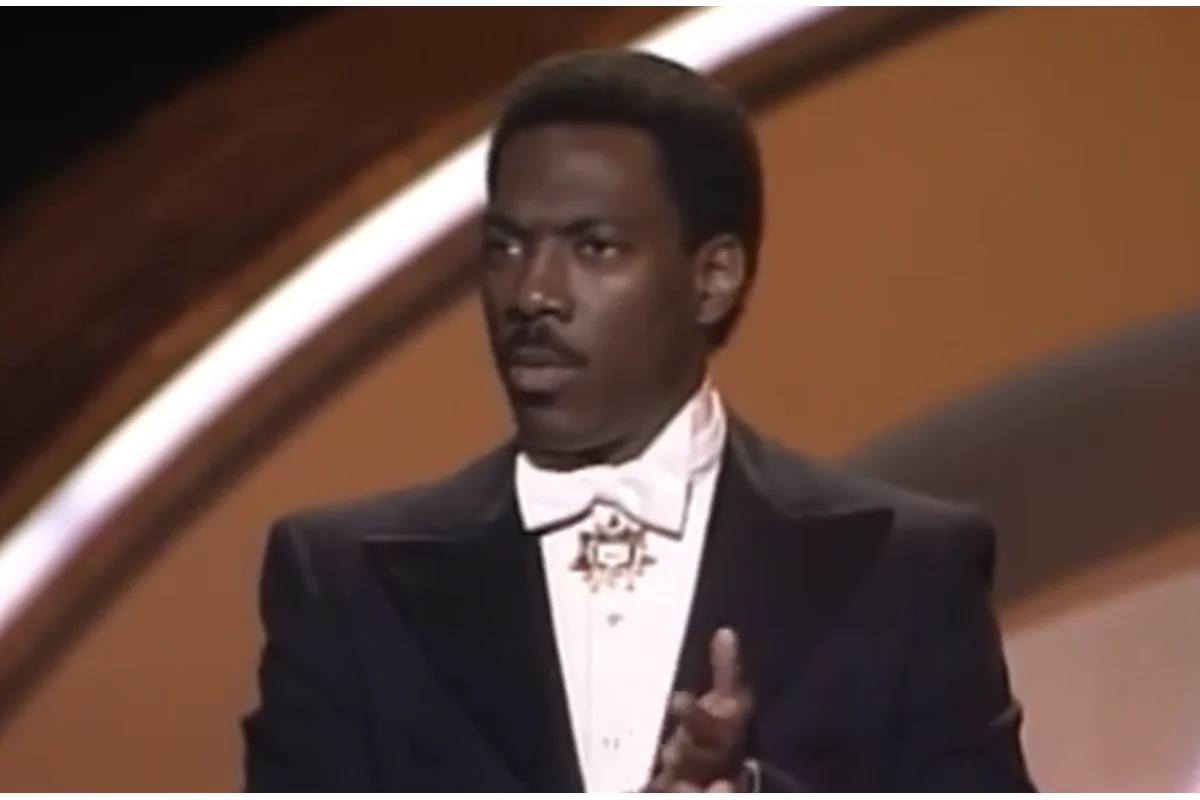
“My first reaction was to say, ‘No, I ain’t going,…I’m not going because they haven’t recognized Black people in the motion pictures.”
—Eddie Murphy, as recalled in documentary
This speech became memorable for Murphy’s willingness to address uncomfortable truths directly in front of the audience and the Academy members, even with the knowledge that it could hurt his future chances for recognition.
“I’ll probably never win an Oscar for saying this, but hey, what the hey, I got to say it.…”
—Eddie Murphy, as recalled in documentary
Murphy was later nominated for his role in “Dreamgirls” but ultimately lost to Alan Arkin, who was awarded for “Little Miss Sunshine.” Reflecting on his achievements and this loss, Murphy expresses both frustration and resignation about the lack of acknowledgment.
“I haven’t gotten an Oscar, and I’ve done everything. I’ve played everything and done everything. And I haven’t gotten an Oscar.”
—Eddie Murphy, in “Being Eddie” documentary
With a touch of humor, Murphy undercuts the idea that his speech was solely to blame, hinting at the complexities behind Oscar decisions.
“But I don’t think it’s because of that.”
—Eddie Murphy, in “Being Eddie” documentary
Industry Reaction and Immediate Consequences
Describing what happened in the days following his speech, Murphy recalled how it appeared as if the incident was quickly swept under the rug. He noted that no photographs, press coverage, or official acknowledgment followed his comments, as if his presence at the Oscars had been erased.
“The next day, it was like I didn’t say anything. There were no pictures of me at the Oscars. There was no coverage of me.”
—Eddie Murphy, in “Being Eddie” documentary
“There was no mention that I said that. It was like I wasn’t at the Oscars.”
—Eddie Murphy, in “Being Eddie” documentary
Looking Forward: The Lasting Impact of Speaking Out
The Eddie Murphy Oscar controversy, highlighted in his new documentary, raises ongoing questions about Hollywood’s attitude toward outspoken stars and the slow pace of change regarding diversity and acknowledgment at major awards ceremonies. As Murphy reflects on his experiences with Hollywood and the Academy, his forthright comments illuminate the emotional and professional stakes involved in challenging the status quo. The discussion started decades ago remains relevant, as industry observers and fans watch to see whether institutions like the Oscars will become more inclusive in their recognition of talent moving forward.
