
Ten years after the release of Fantastic Four, Miles Teller has spoken publicly about the film’s critical and commercial shortcomings, attributing the failure to a significant, but unnamed, individual. The Miles Teller Fantastic Four flop has continued to attract attention as the actor shares fresh insights on the circumstances surrounding the 2015 superhero movie’s box office disappointment.
Teller Reveals Frustration Over 2015 Film’s Fate
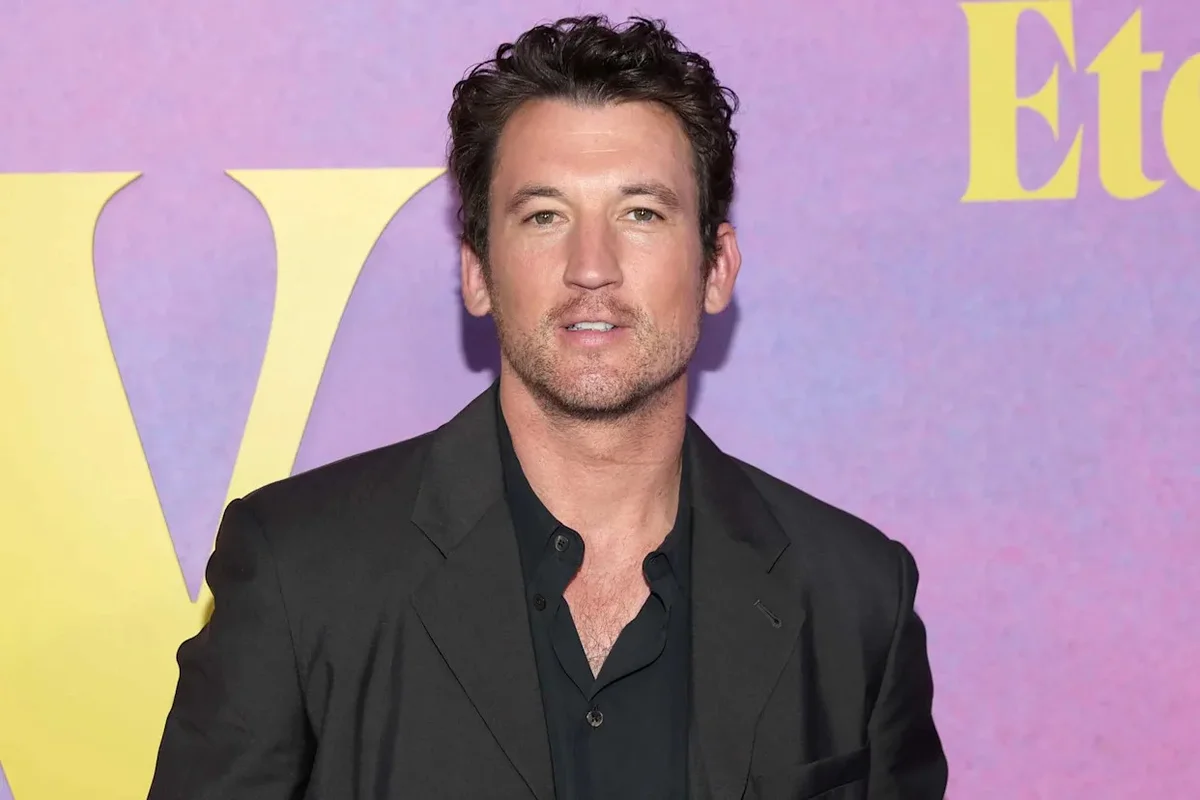
During a recent appearance on SiriusXM’s Radio Andy with Andy Cohen, Miles Teller, now 38, reflected on the collaborative effort behind Fantastic Four and his lingering disappointment with its outcome. Although he refrained from naming the person he blames, Teller emphasized the hard work of the cast and crew, and expressed his frustration that one decision-maker may have been responsible for derailing the project. Miles Teller said,
“It’s unfortunate for that [film], because so many people worked so hard on that movie,”
Andy Cohen Live, SiriusXM’s Radio Andy. He further conceded,
“And honestly, maybe there was one really important person who kind of f***ed it all up.”
Teller’s comments suggest that he does not fault his costars, signaling that problems arose from decisions at a higher level, rather than from the performances of the actors involved. Reflecting on his career at that time, Teller described his mindset as a young actor seeking to establish himself in the industry, saying,
“As a young actor at that time, it’s like, ‘Alright, if you want to be taken seriously as a leading man, you got to get on this superhero train.’ That was our chance,”
and
“And the casting, I thought, was spectacular. I love all those actors.”
Fantastic Four’s ensemble included Teller alongside Kate Mara, Michael B. Jordan, and Jamie Bell as the famous Marvel superheroes—Reed Richards, Sue Storm, Johnny Storm, and Ben Grimm. The 2015 film was positioned to reboot the franchise after a prior iteration that starred Ioan Gruffudd, Jessica Alba, Chris Evans, and Michael Chiklis. Despite the excitement over a fresh start, Teller recounted that doubts crept in before the film even reached theaters. He recalled,
“When I first saw the movie, I remember talking to one of the studio heads and said, ‘I think we’re in trouble,’”
SiriusXM’s Radio Andy.
Box Office Performance and Fallout
Directed by Josh Trank, Fantastic Four had a production budget of $120 million and grossed $168 million globally. However, the weak financial performance combined with negative reviews led Marvel to forgo sequels featuring Teller, Mara, Jordan, or Bell. In the years that followed, the studio instead rebooted the iconic characters once again for the new film The Fantastic Four: First Steps, which introduced a new lineup, including Pedro Pascal, Vanessa Kirby, Joseph Quinn, and Ebon Moss-Bachrach.
Trank himself addressed the controversy in a reflective review posted on Letterboxd. He praised the acting talent involved, writing,
“Movie review: Great cast. Everyone in the film is a great actor, and overall there is a movie in there, somewhere,”
and added,
“And that cast deserves to be in THAT movie. Everyone who worked on Fant4stic clearly wanted to be making THAT movie. But … ultimately … It wasn’t.”
Trank pointed to the struggle between differing creative visions, suggesting,
“What I can tell is there are TWO different movies in one movie competing to be that movie. Is there a #releasethetrankcut? Doesn’t matter,”
and explained,
“I’m not Zack Snyder. Zack Snyder is a storied, iconic, legendary filmmaker who has been knocking it out of the f***ing park since I was in high school. Me? Then? I was 29 years old, making my 2nd film, in a situation more complicated than anything a 2nd time filmmaker should’ve walked into.”
Despite the difficulties and outcome, Trank asserted that he does not regret his experience with the movie, calling Fantastic Four “a part of me.”
Teller’s Perspective on the Aftermath and Career Impact
Miles Teller has consistently been open about the reaction to the Miles Teller Fantastic Four flop and its effect on his personal viewpoint as an actor. In a 2016 interview, he said,
“Even though it was critically thrashed, I don’t see that as a scarlet letter on me as an actor.”
He explained,
“Me, Mike, Kate and Jamie — all fairly young actors — were the leads of a $150 million movie. At the time I filmed it, I think I had been in the business five years. Five years [in] to have that opportunity, it’s not something I feel ashamed of.”
Teller further stated,
“I don’t look at my experience on Fantastic Four any differently than I look at other movies that I’ve done that have been critically praised.”
Emphasizing the positive relationships among the cast, he noted that they
“really enjoyed working with each other and we all wanted to make something great.”
He also reflected on the limitations actors face in the filmmaking process, admitting that over time, you
“realize that you have little control”
over creative decisions or how a film is ultimately received by audiences and critics.
Future Possibilities for Fantastic Four
Despite the film’s negative reviews and the fact that neither the cast nor director returned for a sequel, Teller remains open to revisiting the Fantastic Four universe. He remarked that he would consider a return
“if they brought a pretty good script and the same actors were involved,”
adding,
“I think all of us would certainly be open to it.”
The lingering conversation around the 2015 movie showcases how a single decision or figure can influence the legacy of a major franchise. The outcomes for actors like Miles Teller and his costars—Mike (Michael B. Jordan), Kate Mara, and Jamie Bell—demonstrate both the risk and reward in starring in high-profile superhero films. As Marvel pushes forward with new iterations and a refreshed cast, figures such as Pedro Pascal, Vanessa Kirby, Joseph Quinn, and Ebon Moss-Bachrach are set to chart a new course for these iconic characters.
The story surrounding the Miles Teller Fantastic Four flop remains a testament to the complexities of film production, the limitations of creative control, and the far-reaching impact of leadership decisions on blockbuster projects. The legacy of the 2015 film continues to influence how studios, actors, and audiences approach major franchise reboots and the expectations placed on them.
