
Osgood Perkins puts a chilling spin on the classic cabin-in-the-woods trope with his latest film, as the Osgood Perkins Keeper movie unsettles audiences by blurring the roles of monsters and victims. Now in theaters, Keeper dives into the haunting ordeal of a couple’s getaway, unraveling truths where appearances are deceiving and no one is safe from horror’s grip.
Osgood Perkins Unleashes Another Psychological Horror
Director Osgood Perkins, known for his twisted storytelling style, has already delivered two intense horror releases this year: the gory Stephen King adaptation The Monkey, and now Keeper, a supernatural thriller centered around a remote, ominous cabin. Fans of Perkins’ past horrors, such as Longlegs and The Blackcoat’s Daughter, may recognize his signature tension in Keeper, which upends expectations as the story progresses.
The film stars Tatiana Maslany as Liz and Rossif Sutherland as Malcolm, a couple seeking solace in a forest cabin. What begins as a rustic escape swiftly devolves into a nightmare when Liz experiences visions of undead spirits, foretelling the darkness that lies within the woods and, more crucially, within Malcolm himself.
Malcolm’s Sinister Secret and Keeper’s Ancient Curse
As the narrative approaches its climax, viewers discover that Malcolm’s persona as a dedicated doctor is a façade. The reality is far darker: Malcolm is an immortal manipulator, preying on women brought to the secluded cabin to fuel his unnatural longevity. The origins of this horror are unveiled in a flashback set 200 years prior, where a younger Malcolm and his cousin encounter a pregnant woman trespassing on their land. This woman is revealed to be some form of witch; her offspring turn out to be monstrous, ultimately forging a pact with Malcolm and his cousin—eternal life in exchange for the lives of women brought as sacrifices.
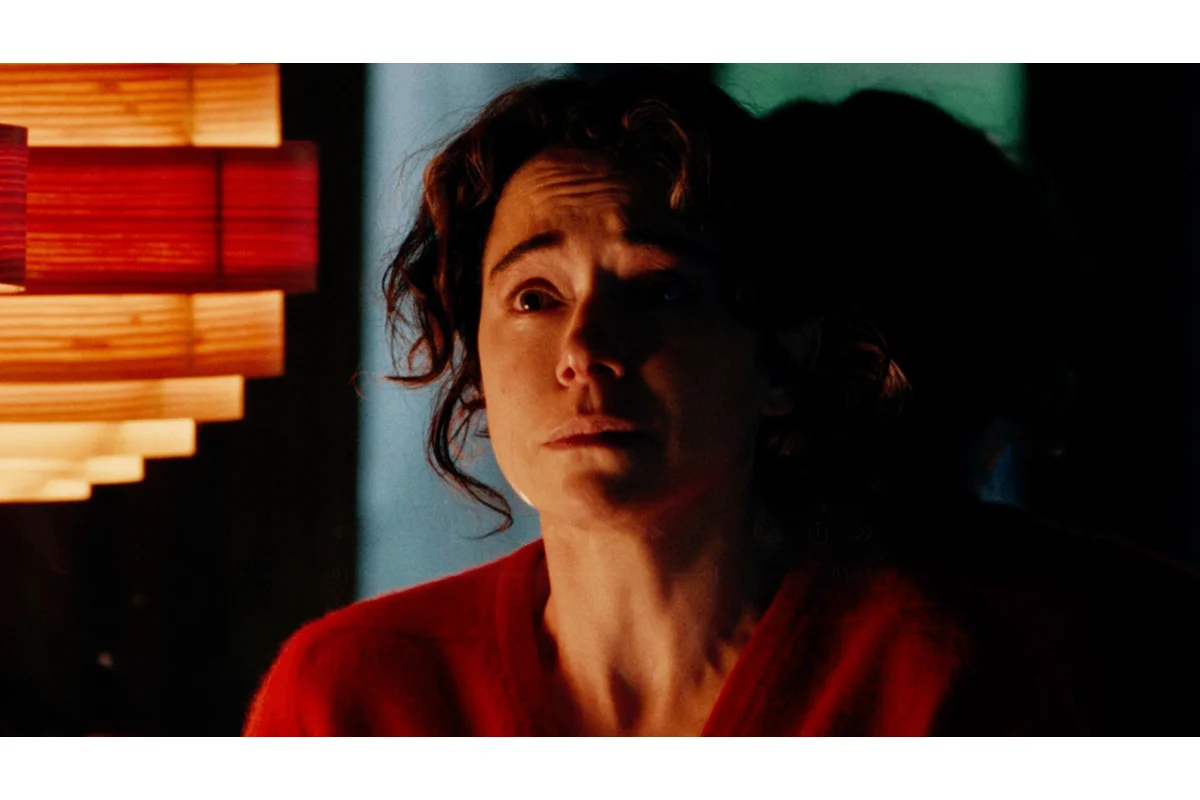
This pact also explains the spectral figures Liz encounters: the ghoulish woman with a bloodied bag on her head, a spirit with an elongated neck, and a terrifying white-faced creature exuding sludge. Each serves as a remnant of the cabin’s violent past, bound to the fate of those who enter.
Unexpected Alliances and the Reversal of Victimhood
Instead of succumbing to Malcolm’s deadly plot, Liz finds herself imprisoned in the basement. The tables turn when the monstrous entities, rather than tearing Liz apart, embrace her as one of their own. A striking revelation connects Liz to the mysterious pregnant woman from two centuries earlier, as they share an uncanny resemblance, making the creatures view Liz as their long-lost mother. One of the monsters, bearing multiple eyes and mouths, even calls herself Liz’s child, reinforcing the eerie familial bonds within the undead brood.
The Final Fate: Who Are the Real Monsters?
As night turns to day, Malcolm awakens to find himself aged dramatically; his previous immortality fading as Liz seizes control, aided by her grotesque offspring. Demonstrating the ultimate reversal, Liz suspends Malcolm upside down and repeatedly submerges his head in a pot of honey. In the closing moments, her face mirrors the jet-black eyes of her supernatural children, suggesting that she has fully transformed and now holds power as the matriarch of the strange family.
In a disturbing subversion, Keeper reveals that the true peril did not stem from the grotesque spirits haunting the woods, but from the human acts of manipulation and cruelty within the cabin’s walls. This pivotal twist complicates the idea of monsterhood, raising questions about innocence and guilt, and leaving audiences unsettled by the blurred line between villain and victim. With Keeper, Osgood Perkins cements his reputation for crafting horror where evil is rarely what it seems, suggesting that the deadliest threats often wear a human face.
