
The Stephen King Running Man adaptation, directed by Edgar Wright, is making waves after King himself praised the film’s updated ending, according to recent interviews. Wright’s new take on the classic dystopian story caught the celebrated author’s attention, raising anticipation for how this retelling will resonate with both long-time fans and newcomers.
Edgar Wright’s Vision Brings Fresh Life to The Running Man
Director Edgar Wright, widely known for his distinctive filmmaking, took on the challenge of bringing Stephen King’s 1982 novel, first published under the pseudonym Richard Bachman, to modern audiences. Unlike the 1987 adaptation, Wright’s version leans into the spirit of the source material while deviating from some of its darker themes. The new film replaces certain bleak elements with a dynamic, action-driven approach more in line with current tastes, but strives to remain true to the book’s core message.
Speaking with GamesRadar+, Wright elaborated on the creative process and, importantly, Stephen King’s involvement in the project. The author retained script approval rights, a significant hurdle for any filmmaker eager to adapt a major work, and Wright’s collaboration with screenwriter Michael Bacall focused on both honoring and refreshing the narrative. In describing King’s response to the script, Wright shared:
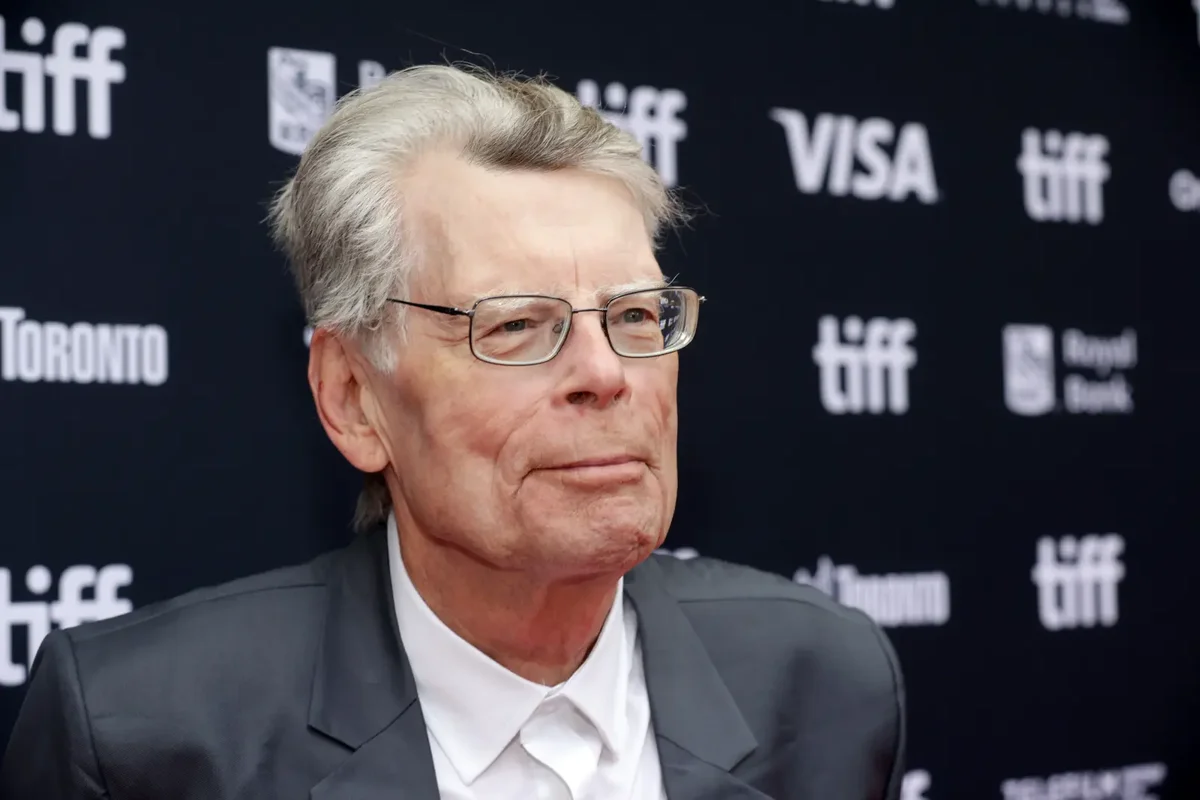
“What we settled on very early, in terms of talking about the adaptation, is a different way of doing it that still has the same fire. It needed to kind of have the same spirit of the book, but in a different way. What was very gratifying to me is Stephen King had to sign off on the adaptation, so there was a point in the production where we had to send him the script to get his approval, and he loved the script, and he said, ‘I think you did a great job with the ending.'”
Wright’s remarks highlight how adapting such a well-known novel is not just a matter of creative interpretation, but also of meeting the high bar set by its creator.
Gaining Stephen King’s Approval: A Rare and Daunting Task
Stephen King stands as one of the most adapted authors in modern literature, with dozens of his books reimagined for the screen or stage. However, not all adaptations have met King’s personal standards. While King has become more restrained in voicing his opinions over time, securing his endorsement is highly coveted by filmmakers and often seen as a stamp of legitimacy.
Wright openly addressed the tension and exhilaration that comes with adapting a beloved work when the author’s feedback is so central to the project. Elaborating on the pressures involved after earning King’s approval, Wright stated:
“So for the man himself to say that, we were like, ‘Okay, great.’ And then it adds a new pressure as well, because, like, oh, now we have to make it. When you’re making a movie, you’re always trying to live up to the version that’s in your head, even the version that I thought of that I had in my head when I read it when I was 14. But now I also have to live up to what’s in Stephen King’s head as well. So I think then, for the rest of the movie, you’re almost making it for an audience of one.”
King’s rare public praise not only gives extra motivation to Wright and his team but signals to audiences that this adaptation could stand out among the many attempts to capture the essence of the author’s diverse works.
Main Cast Highlights the Ambitious New Take
The new adaptation stars Glen Powell as Ben Richards, the story’s central character forced to participate in a life-or-death game show. Supporting him is Josh Brolin in the role of Dan Killian, a new interpretation of a key figure from the original narrative. These casting choices further reflect Wright’s emphasis on revitalizing the classic characters, aiming to bring both gravitas and humanity to their struggles within a reimagined dystopian landscape.
What the Future Holds for The Running Man and Its Adaptations
Wright’s adaptation of Stephen King’s The Running Man underscores the ongoing challenge of bringing popular fiction to the screen while satisfying both new viewers and longtime followers of King’s novels. With the author expressing strong approval, especially of the updated conclusion, there is heightened curiosity and expectation around how this story will connect with audiences. As adaptations of King’s works continue to proliferate across various mediums, this project sets a high bar, showing that respecting the intentions of the original author can yield creative and impactful results for modern storytelling.
