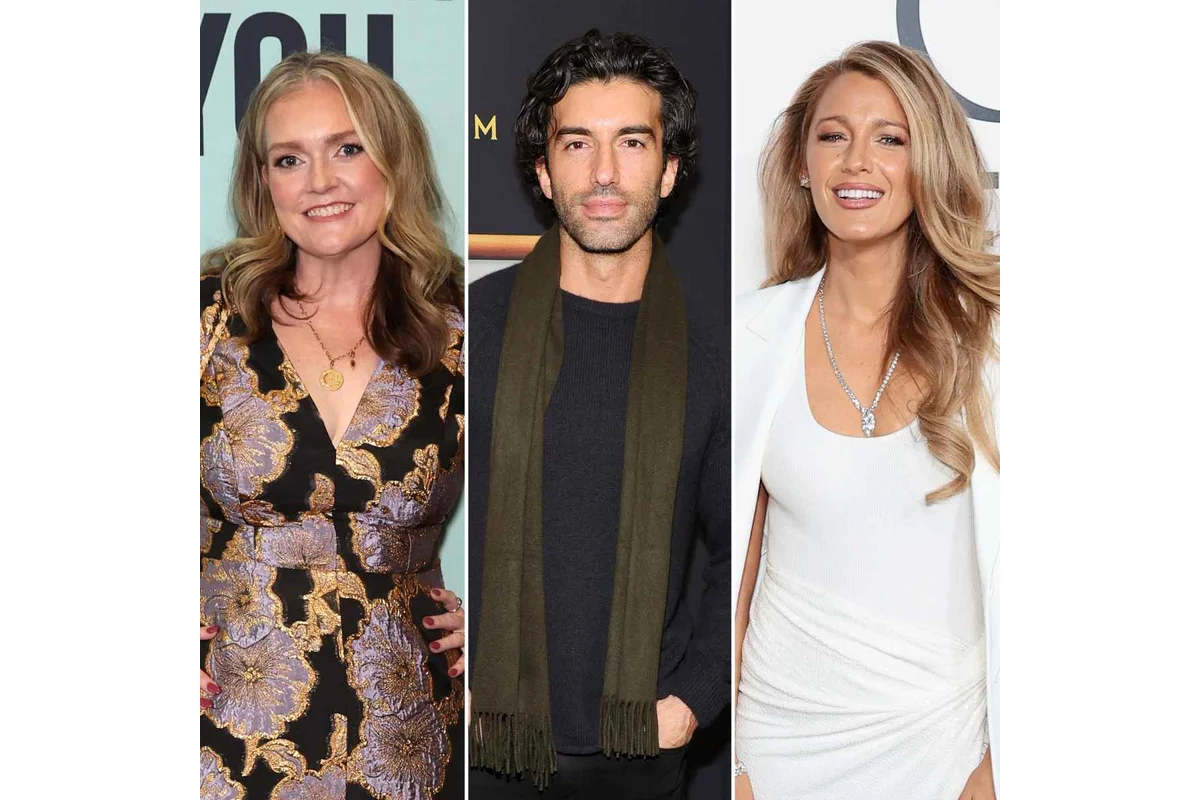
Blake Lively, Blake Lively unscripted kiss controversy [Image Source: YIMG]
A recent legal dispute has emerged between actors Blake Lively and Justin Baldoni over an alleged unscripted kiss during filming, drawing significant attention to the Blake Lively unscripted kiss controversy. The situation escalated after Baldoni’s lawyers submitted a video to the court, stirring debate about what occurred on set and raising new questions about professional boundaries in filmmaking.
Disputes Arise Over On-Set Improvisation
The controversy began when attorneys for Justin Baldoni presented a video as evidence in a legal proceeding, as reported by People. The footage reportedly documents a scene inside a hospital, where Blake Lively kisses Baldoni’s character, despite claims that no such moment was originally included in the script. The timing and nature of the kiss, as shown in the video, have become a focal point in the ongoing legal battle.
Baldoni’s legal representatives assert that the kiss was not written into the script, stating,
“herself added to the script, in which her character kissed Baldoni’s character in every take, although there was no kiss in the script.”
According to their claims, Lively inserted the kiss herself, improvising in multiple takes. However, details remain unclear about whether the filing accuses Lively of amending the script directly or acting outside its boundaries in the moment.
Conflicting Accounts of the Scene
The legal discourse has further complicated as both parties continue to dispute the facts. Blake Lively has stated that two kissing scenes done prior to a filming break were unscripted. In contrast, Justin Baldoni’s lawyers claim the only kisses recorded during the early phase of shooting were planned and written into the official script. As documented,
Image of: Blake Lively
“Lively also complains that there was inappropriate and improvised kissing during the first period of filming, before the strike break. But in fact, the only two kissing scenes filmed during the initial filming period were both scenes that included kisses as written in the script. These kissing scenes were not improvised.”
The disagreement over these events highlights the complexity of proving improvisation versus script adherence, especially when documentation and interpretations diverge.
Author Colleen Hoover Caught in the Middle
The escalation of the Blake Lively unscripted kiss controversy comes amid broader fallout involving Colleen Hoover, the author whose work is the basis for the movie. Newly filed legal documents reveal private text exchanges between Hoover and Baldoni. In a message reflecting the emotional strain the dispute has caused, Hoover wrote to Baldoni:
“It just feels like I’m on an island here. When the hate is being directed at me, you guys posting that article and allowing it to fuel the comments is hurtful. And the timing of it just feels like you’re worried about your image but not the women who are behind this story. I know things took an awful turn, and I felt forced to choose when I did not want to, but the back and forth articles from both camps are just so upsetting and ridiculous. It’s making everyone working on this movie look immature. Everyone is out there trying to save themselves and now this has turned into a huge mess. […] And I know you guys think I’ve made decisions for certain reasons but I have felt the rift from long before I ever was in contact with Blake.”
— Colleen Hoover, Author of ‘It Ends With Us‘
The messages discuss not just the kiss, but deeper frustrations over public perception, communication, and decision-making related to the project. Hoover’s comments reveal disappointment at how the movie’s narrative and production have been managed, showing she feels caught between competing interests and public fallout.
Hoover’s Criticisms of Project Management and Communication
Beyond her concerns over public commentary, Colleen Hoover articulated her dissatisfaction with some of Baldoni’s actions and how she was included in the production process. In another text to Baldoni, she said:
“It started with me not being allowed to read the script until I was sat with readers, but then all the interviews made it seem like you included me in the script from the beginning. […] And the book, when I asked you guys to at least donate a portion of the proceeds to DV and then I was told the only way a donation would be made is if I took 1% and donated that myself. Then the whole tattoo thing, all the texts of you blaming Blake for that and reiterating that she didn’t read the book every time, I’d just try to ask you what to say to readers. I have been disappointed personally by your actions, many times. I appreciate that you haven’t directly said anything negative. That’s how it should be. But you are grown men with a platform. You know how to use it to protect your image. Please don’t continue to use it to harm me or mine. That’s all I’m asking.”
— Colleen Hoover, Author of ‘It Ends With Us’
Hoover detailed experiences of being sidelined during the scripting process, requests for charitable donations tied to the project, and conversations about responsibility for creative choices. Her words illustrate the emotional burden of being drawn into a public rift, as well as broader issues with transparency and recognition within film adaptations.
What Lies Ahead for the Movie and Its Stakeholders
The fallout from the Blake Lively unscripted kiss controversy continues to ripple through the production, affecting relationships between key players such as Lively, Baldoni, and Hoover. The conflicting claims and emotional exchanges illustrate how quickly a single unscripted moment can escalate into wider disputes both in and out of court.
As legal proceedings move forward, the outcome may establish clearer standards for improvisation, script handling, and consent on film sets. For now, the ongoing drama serves as a stark reminder of the high stakes involved in adapting popular works, managing public narratives, and maintaining trust among creative teams.