
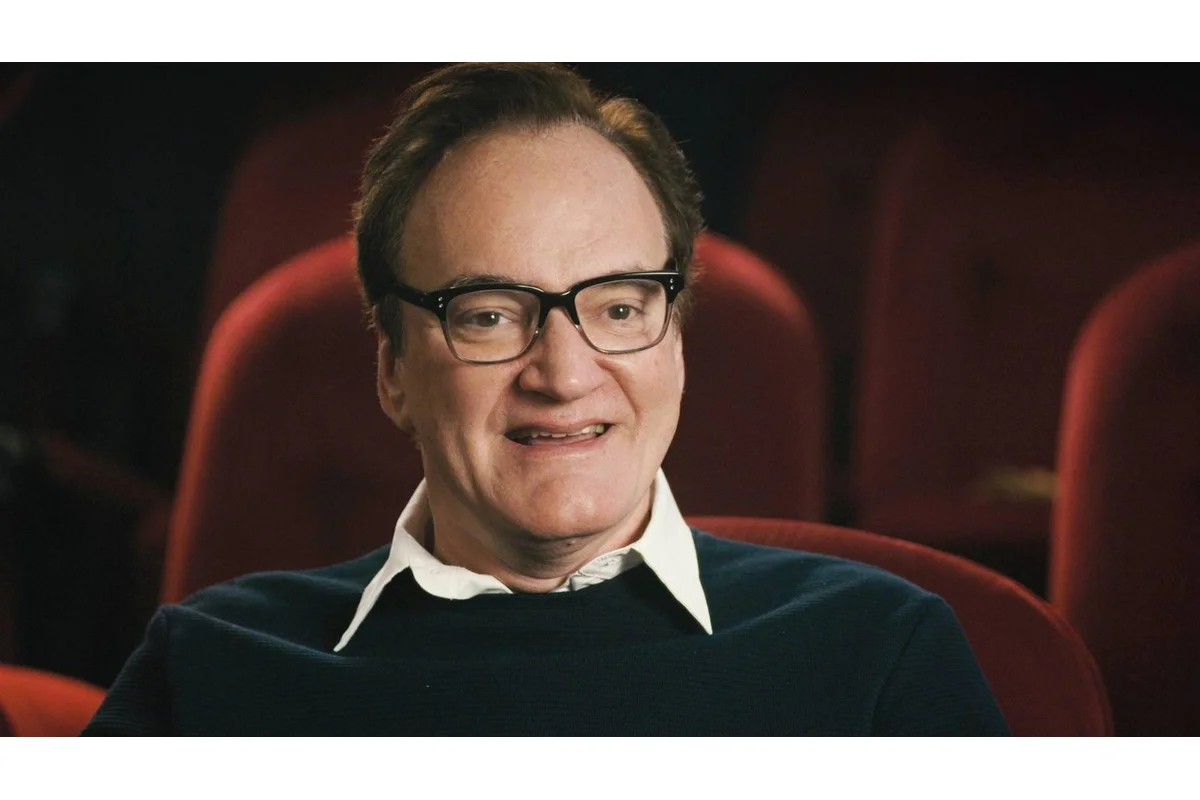
Quentin Tarantino, acclaimed for his remarkable work as a director, recently revealed one of his top picks among thriller films, highlighting William Friedkin’s 1977 movie Sorcerer as a standout. The discussion of Quentin Tarantino favorite thriller movies offers a glimpse into the films that have fueled his creativity and passion throughout his career.
Tarantino’s Deep Appreciation for Cinema History
Quentin Tarantino is recognized not only for his directorial achievements but also for his profound enthusiasm as a movie aficionado. Over the years, he has frequently spoken about works that inspire him, including television like Justified—the show led by Timothy Olyphant, whom Tarantino later cast in Once Upon a Time in Hollywood. His affection extends to blaxploitation and spaghetti Westerns, genres that have visibly shaped his filmmaking voice.
One film that Tarantino has repeatedly praised is Sorcerer, a thriller from the late 1970s directed by William Friedkin. Despite its lackluster box office performance at the time, Tarantino called it
“one of the greatest movies of all time.”
Sorcerer’s story follows four criminal outcasts in South America as they attempt to move a hazardous shipment of dynamite, knowing that disaster could strike at any moment.
Sorcerer’s Legacy and Influence on Modern Filmmaking
When Sorcerer debuted, audiences and critics were initially lukewarm, with the film being considered a commercial failure. However, as years passed, the film’s reputation soared, and contemporary retrospectives now celebrate it as a masterpiece that left a profound impact on the thriller genre. Exceptional action sequences, nerve-wracking suspense, and Friedkin’s masterful direction have won the admiration of respected filmmakers, from Tarantino to Francis Ford Coppola and Christopher Nolan. These directors have noted Friedkin’s influence on their own approaches to filmmaking, especially when it comes to creating tension and realism on screen.
The Bridge Scene: A Benchmark of Suspense
Among the tense moments in Sorcerer, one sequence has remained especially vivid in Tarantino’s mind: the harrowing trek across a crumbling wooden bridge with two trucks loaded with unstable explosives. This scene stands out not just for its dramatic power but also for its execution and realism.
“The bridge scene is just one of the great suspense moments in cinema,”
Quentin Tarantino, Director (from Friedkin Uncut).
What makes the scene even more remarkable is that it was filmed using practical effects, not miniatures or other visual trickery. Two actual trucks, with prop explosives, crept over a swinging wooden bridge above a treacherous river—the risk was present and real for all involved.
“If you wanted to show something extraordinary, you had to do something extraordinary, and photograph it,”
Francis Ford Coppola, Director (from Friedkin Uncut).
The Dedication Behind the Filming
Director William Friedkin explained that this iconic scene was painstakingly shot by capturing each element in detail. The film crew used a hydraulic system under the bridge, securing the truck without it being visible on camera, but that didn’t eliminate the danger.
“Many times, both trucks fell into the water.”
William Friedkin, Director
Friedkin even recounted that during one tense moment, he fell into the river while inside one of the trucks. Such anecdotes highlight the commitment to authenticity that drove the film’s crew and cast, a trait that has deeply resonated with Tarantino and peer directors like Christopher Nolan, who are also known for prioritizing genuine, practical effects over computer-generated imagery.
Contemporary Directors and Sorcerer’s Enduring Impact
Tarantino’s reverence for Sorcerer places him among a list of prominent filmmakers who continually draw from Friedkin’s bold vision. Christopher Nolan, Francis Ford Coppola, and other celebrated figures echo Tarantino’s sentiments, seeing Sorcerer as a powerful model for grounded, intense cinematic storytelling. Even though Sorcerer did not initially captivate mainstream audiences, its subsequent acclaim underscores how groundbreaking works can leave a mark on artists and the film industry alike.
Looking forward, Tarantino’s vocal admiration illustrates why Sorcerer remains a touchstone for directors seeking to evoke visceral suspense and dynamic character stakes in their films. The legacy of Sorcerer, amplified through the advocacy of luminaries such as Tarantino, continues to inspire new generations of creators who aim to balance practical effects, narrative tension, and cinematic innovation.
