
Steven Soderbergh, celebrated for redefining genres and visual storytelling, delved into new territory with his experimental HBO miniseries Mosaic, launched between 2017 and 2018. Fusing traditional crime mystery with interactive technology, the Steven Soderbergh experimental HBO miniseries stands as a bold example of the director’s willingness to challenge audience expectations while reshaping narrative techniques in television.
Soderbergh’s Shift Toward Innovation in Television Storytelling
Known for hits such as Traffic and Ocean’s Eleven, Soderbergh has consistently navigated between big studio films with A-list stars like George Clooney and Matt Damon, and smaller-scale, innovative projects shot with unconventional equipment, including MiniDV cameras and even iPhones. His distinction as an early adopter of streaming distribution reflects his enduring desire to explore new storytelling platforms, breaking conventional boundaries and offering audiences surprising new experiences. Within his prolific and diverse filmography, Mosaic remains one of his most intriguing, if overlooked, ventures. Though the HBO library is extensive and Soderbergh’s output fast-paced, Mosaic’s ambition sets it apart.
After a brief period away from feature films, spurred by dissatisfaction with major studios, Soderbergh returned to directing television with renewed zeal. In addition to his work on The Knick for Cinemax, he later created HBO’s Full Circle, collaborating with Men in Black writer Ed Solomon. Most directors hold tightly to reputation, but Soderbergh’s willingness to experiment—particularly with genre forms—distinguishes his approach, making Mosaic a natural extension of his creative ethos.
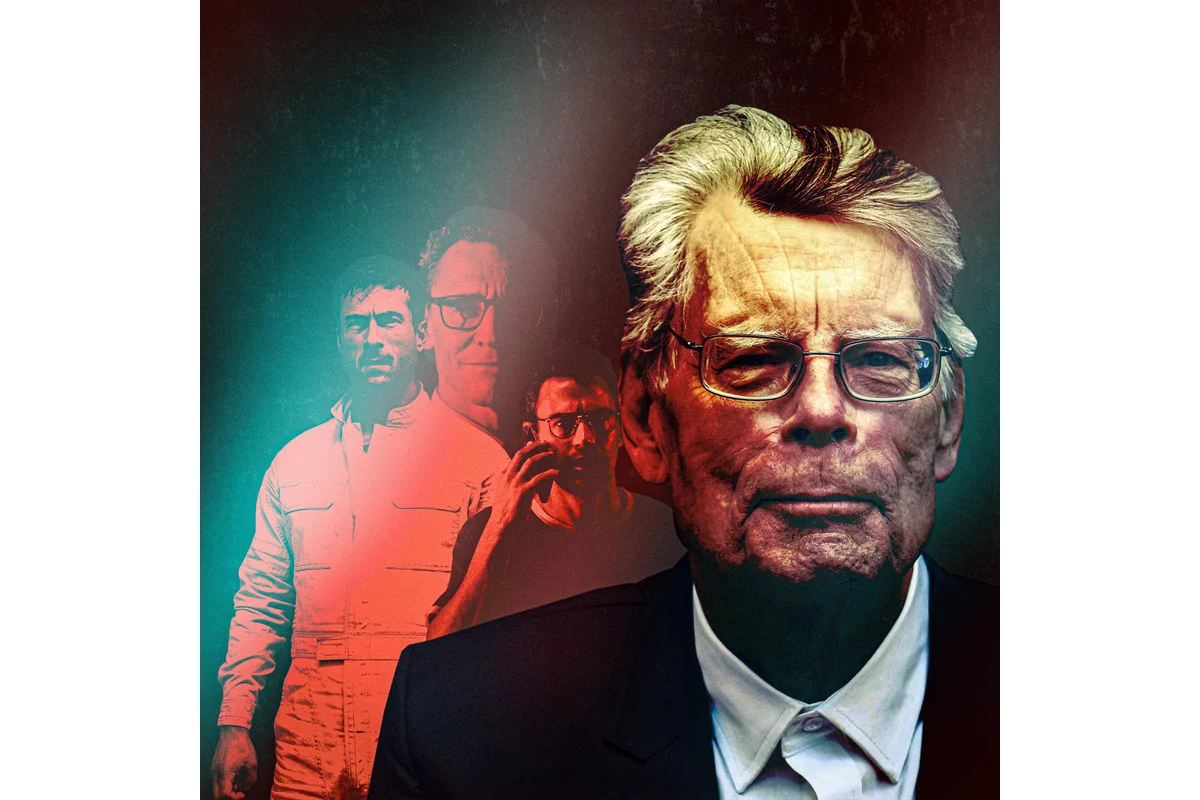
The Genesis of Mosaic: From Interactive Mobile Experience to Television Mystery
Mosaic began not as a conventional television show, but as an ambitious interactive film available on iOS and Android. Starring Sharon Stone as Olivia Lake, alongside Garrett Hedlund, Frederick Weller, Devin Ratray, Beau Bridges, and Paul Reubens, Mosaic invited users to engage directly with the story of a murdered children’s book author. The narrative unfolded from the perspectives of multiple characters, and users chose which angles and flashbacks to follow, determining the sequence and depth of the mystery themselves.
According to Soderbergh in a Vulture interview, the total interactive film comprised more than seven hours of unique content. This “choose your own adventure” approach gave viewers unprecedented involvement in solving the mystery of Olivia’s death. Critics expressed skepticism at the blending of video game mechanics with cinematic storytelling, but Soderbergh and Solomon forged ahead, challenging viewers to immerse themselves in an evolving digital narrative. The experimental format not only provided varied experiences for each audience member but also highlighted Soderbergh’s commitment to fresh, participatory storytelling.
Translating Interactive Cinema to the Episodic HBO Format
Soon after the mobile app’s release, Mosaic was refashioned into a six-part miniseries for HBO. The narrative was adjusted for linear viewing, beginning with events leading up to Olivia Lake’s murder. Frankie Hedlund plays Joel Hurley, an aspiring artist and bartender; Frederick Weller portrays Eric Neill, a con artist initially recruited by Michael O’Connor, a neighbor obsessed with Olivia and desperate to acquire her property. Yet Eric abandons deception for honesty, declaring his love for Olivia, only to face heartbreak when she discovers the truth and rejects him. Within minutes, Olivia is found murdered, launching the police and viewers into a maze of unresolved questions, with Eric quickly becoming the prime suspect behind bars.
Soderbergh’s signature suspense grips the audience, crafting an atmosphere of mistrust and uncertainty. The re-editing of an interactive, multi-path film into a conventional episodic series yielded unusual effects. Episodes featured abrupt transitions, and close-ups in constrained rooms betrayed the show’s roots as a mobile application, highlighting the unique visual language born from its original medium. The series, on cable television, lacked the participatory excitement of the app, sometimes leaving the core murder mystery feeling understated. Nevertheless, the director’s distinct style and vision permeated every frame, with Sharon Stone’s portrayal of Olivia Lake offering emotional complexity and intrigue essential to the series’ lasting impact.
Visual Style and Narrative Complexity: Mosaic’s Artistic Legacy
Soderbergh, no stranger to upending the expectations set by his Oscar-winning dramas like Erin Brockovich and Sex, Lies, and Videotape, pursued artistic freedom over prestige in Mosaic. Alongside films like Unsane and High Flying Bird, Mosaic’s decision to utilize iPhone filming techniques enabled dynamic filmmaking, producing scenes marked by canted angles and sweeping motion uncommon in traditional television. In another director’s hands, such methods could appear amateurish; Soderbergh, however, engineered a look that captured the digitized reality of modern life—sterile, remote, and laced with ambiguity.
The cold, muted palette, combined with reserved performances—especially by Sharon Stone—deepened the series’ atmosphere, prompting the audience to question the narrative’s reality as much as its plot. This emotional distance, blending with the unsettling murder at the story’s heart, gave Mosaic an air of purposeful detachment. The effect was not universally embraced, as some viewers were unsettled by Mosaic’s penchant for leaving questions unresolved and emotions simmering beneath the surface. Yet, these qualities exemplified Soderbergh’s intent, creating a mystery where the journey, not the solution alone, invited attention.
Mosaic’s Place Within Soderbergh’s Modern Creative Output
Recent Soderbergh works, including Black Bag and High Flying Bird, focus less on genre conventions than on subtextual themes—whether probing power struggles between employees and employers or dissecting relationships. Mosaic, similarly, looked past a traditional whodunit to analyze the tangled bonds between surrogate mothers, sons, and brothers, examining their differing goals and emotional complexities. Despite limited initial acclaim and quick passage from the HBO spotlight, Mosaic’s formal inventiveness and emotional undercurrents signal its lasting relevance.
Supporting roles, performed by actors such as Paul Reubens, Devin Ratray, and Beau Bridges, enriched the story’s tapestry, each adding their own shade to the narrative’s moral ambiguity. Jennifer Ferrin’s Petra Neill also provided a unique perspective as Eric’s sister, complicating the investigation and deepening the audience’s engagement. The audience, previously accustomed to standard murder mysteries, encountered a new kind of suspense—one rooted in introspection and unresolved tension.
Mosaic’s Cast: A Closer Look at Key Performers
The power of Mosaic rested in part on its diverse array of talent. Sharon Stone delivered a standout turn as Olivia Lake, capturing vulnerability and charisma in the role of the ill-fated author. Garrett Hedlund played Joel Hurley, the well-intentioned artist challenged by the swirling suspicions around the murder. Frederick Weller interpreted Eric Neill, a conflicted con man whose feelings for Olivia unspool the series’ emotional knots. Paul Reubens portrayed JC Schiffer, adding complexity and humor, while Jennifer Ferrin’s Petra Neill contributed nuance as Eric’s steadfast sibling. This ensemble, working within Soderbergh’s experimental vision, shaped Mosaic’s layered storytelling.
Long-Term Significance of Mosaic in Television Experimentation
While Mosaic may have faded from popular awareness, its creative ambition demonstrates Steven Soderbergh’s continuing passion for pushing artistic boundaries. Within the crowded HBO catalog, the Steven Soderbergh experimental HBO miniseries offered an approach to crime storytelling suited for a media landscape increasingly shaped by digital technology, interactivity, and non-linear narratives. Time may yet vindicate its daring, and future audiences might revisit Mosaic not only as a genre experiment but as a thoughtful meditation on reality, narrative, and the role of the viewer.
Soderbergh’s willingness to tackle uncharted concepts—whether experimenting with film equipment, interactive technology, or unconventional season structures—cements his reputation among critics and viewers as an innovator. Mosaic, with its blend of traditional drama and digital invention, stands as a testament to the rewards and risks of such creative ventures, promising lasting influence for those eager to embrace narrative reinvention on television.
