
Benedict Cumberbatch, well-known for his roles as Doctor Strange in the MCU and as Alan Turing in The Imitation Game, has openly expressed serious reservations about artificial intelligence and its growing influence, a topic drawing strong reactions in Hollywood. During an online Reddit AMA, he shared his concerns about the direction of AI, adding his voice to an ongoing conversation about the technology’s place in creative industries.
Cumberbatch voices deep unease about artificial intelligence
The actor did not shy away from noting his discomfort with the widespread adoption of artificial intelligence across creative fields, especially within the film and television sector. Responding to questions about AI’s rising popularity and presence in different areas, Cumberbatch admitted feeling disheartened about this technological shift. Drawing on his experience portraying Alan Turing, a key figure in the history of artificial intelligence, he recognized that every tool has a role to play but believes the current direction raises pressing concerns.
He said,
“I feel we are in danger of vanilla-fying and perfecting and asphalting over the thing that makes us human, which are our fallibility, our mess, and our inaccuracy, all of which creates the tension, conflict, and necessary friction for original creative thinking to occur. Our need for immediate results and our appetites are being overrun by the plentitude and, of course, the need for immediate gratification, which are all dangerous I feel for the human creative mindset.”
— Benedict Cumberbatch, Actor
Cumberbatch finds some merit in cautious AI use
While his overall view conveyed caution and worry, Cumberbatch did not fully reject artificial intelligence. Instead, he admitted that there are situations where these tools may offer benefits, provided their use does not override the authentic human imperfections that drive true creativity. He emphasized a crucial balance between leveraging AI’s capabilities and retaining unique human elements in art and storytelling.
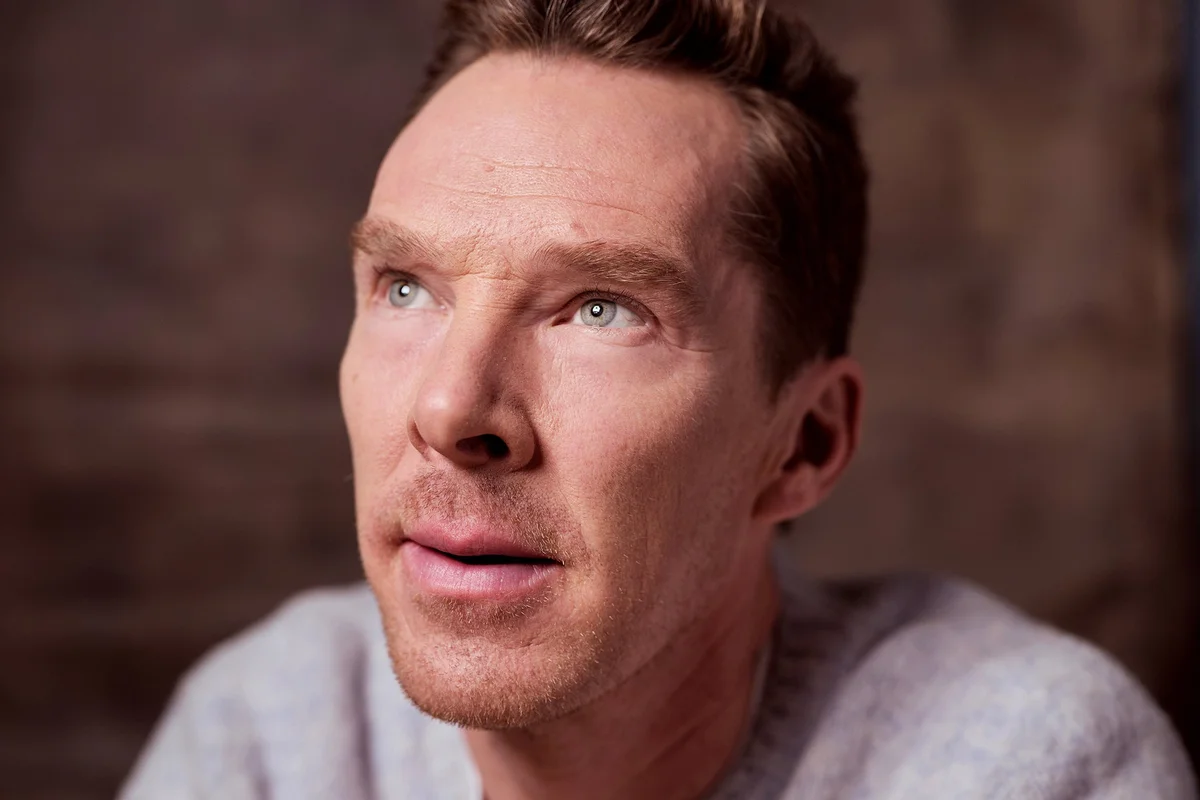
He remarked,
“I understand these tools can be used while maintaining the analog mess of the biochemistry wielding them and still have a great impact that isn’t to the detriment of authenticity. I also feel like Nick Cave, who if you haven’t read his letter he articulates it so perfectly, that our limitations are what make us human and stories are how we understand our humanity. The blank page, the challenge of slow thinking, failing, and thinking better, and the difficulties of the grind of our creative act are what make it so, so rewarding.”
— Benedict Cumberbatch, Actor
Other prominent voices in entertainment share their perspectives
Benedict Cumberbatch is not alone in raising questions about the adoption of artificial intelligence in entertainment. Director Guillermo del Toro, known for referencing classic literary characters like Frankenstein, has criticized careless implementation of generative AI, insisting that he would “rather die” than see it replace traditional art forms. Hideo Kojima, celebrated for his work in gaming, has pointed out that while AI might help people flourish in the modern era, it risks diminishing the value of creative work by making games and art feel less special. Additionally, some, like a Kingdom Come: Deliverance 2 actor, maintain a more optimistic view—hoping that generative AI can empower creators rather than undermine them, emphasizing the potential for new opportunities in performing arts.
The broader impact on creativity and the entertainment industry
The remarks made by Benedict Cumberbatch on AI concerns join a growing and divided debate about technology in Hollywood and beyond. As more performers and directors, such as Guillermo del Toro and Hideo Kojima, voice intense and conflicted opinions, the industry faces challenging questions about authenticity, human creativity, and the future of art. For Cumberbatch, retaining a sense of “mess” and embracing human imperfections are essential to generating original ideas and maintaining the emotional impact of creative work.
Cumberbatch’s take on artificial intelligence encourages both creators and audiences to reflect on how technological advancements affect the essence of storytelling and performance. With films like “The Thing with Feathers,” now showing in the UK and Ireland, Cumberbatch continues to advocate for the irreplaceable qualities that actors and human creators bring to art. As these debates deepen, the outcomes may shape future industry standards and the ways audiences experience culture.
