
J.K. Simmons Oz career highlights feature in the extraordinary story of Evan Seinfeld, a musician and actor whose unconventional path has woven through the worlds of hardcore music, television drama, adult film, and reality TV. From his days co-founding Biohazard in Brooklyn in 1987 to working alongside figures like Ozzy Osbourne and J.K. Simmons, Seinfeld’s journey has been marked by intense highs, crushing lows, and relentless reinvention across diverse scenes.
The Birth of Biohazard and Brooklyn Roots
Evan Seinfeld’s musical legacy began in the challenging neighborhoods and basements of Brooklyn, New York, where he formed Biohazard in 1987. The band stood out early as pioneers for blending metal, hip hop, and hardcore, carving a place among acts like Pantera in the 1990s before the nu metal wave had even crested. Their powerful grooves and genre-defying sound earned respect within the music community, setting the stage for the band’s rise through the decade.
Pain, Growth, and the Return to Biohazard
Seinfeld left Biohazard in 2011 after decades of collaboration and tension, but his story with the band wasn’t over. In 2022, after more than a decade away, he and his bandmates reconnected, rekindling their partnership and releasing “Divided We Fall” in October—their first album in over ten years. The period away gave Seinfeld space to reflect on fractured relationships and personal struggles.
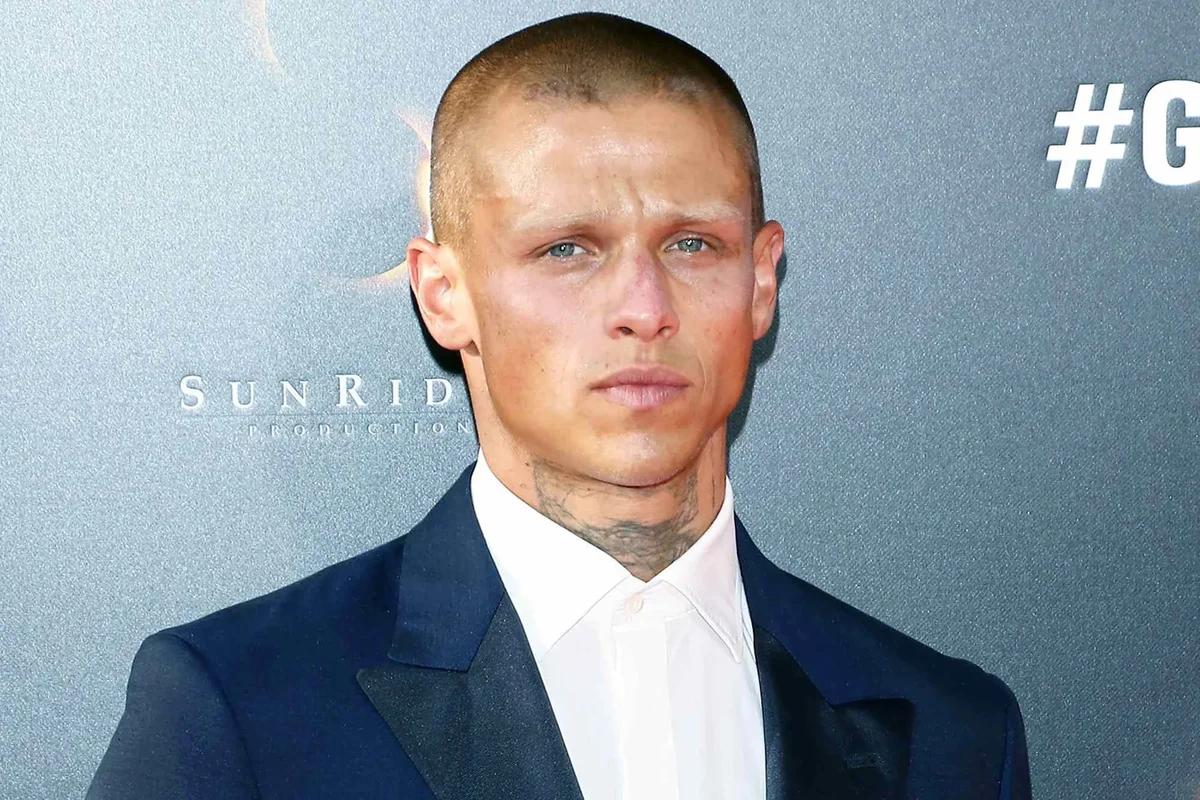
“I’m a knucklehead from Brooklyn and if I had a resentment with you, my intention would be to carry it to the grave. [The members of Biohazard] hadn’t spoken a word to each other in 12 years, but when we got the band back together, none of us were really sure why we’d broken up in the first place.
The band is a part of me, but when you grow up with people, sometimes you grow apart. I’ve been working on myself, and when I came to terms with why I had anger or resentment – not just with the band, lots of other people, family members – I realised my apartness didn’t serve me.”
Embracing Similarities in a Divided World
Reflecting on the formation of their comeback album, Seinfeld emphasized the need for unity in a society often focused on division. The title “Divided We Fall” is both a personal and cultural statement, inspired by his exhaustion with polarizing conversations in America and time spent living abroad over the past four years.
He stressed his preference for finding common ground, regardless of differences in politics or religion, highlighting the challenge of navigating a country where such differences often draw battle lines.
Struggles and Self-Discovery Amidst Collapse
Seinfeld spoke openly about his battles with depression, divorce, and financial hardship, hitting a personal low point at age 52 while navigating his third divorce and experiencing his fourth financial collapse. This brought about deep introspection, leading him on a soul-searching journey to Tulum, Mexico, during the pandemic.
There, he found solace in nature and began to recover a sense of self not tied to ego or old identities, describing Tulum as a spiritual vortex that helped prompt his personal awakening and gradual recovery.
The High Cost of Fame and Staying Grounded
Seinfeld has also considered the darker side of his musical era, reflecting on the fate of iconic 1990s rock singers like Chris Cornell, Scott Weiland, Kurt Cobain, Chester Bennington, and Shannon Hoon, many of whom battled intense mental health struggles, addiction, and ultimately, early deaths.
He acknowledged Biohazard’s success and the dangers of becoming disconnected from reality when constantly praised on stage. The pressures of fame, he said, are closely linked to the issues faced by so many in that generation of artists.
Addiction, Recovery, and Changing Views
Delving into his own experiences, Seinfeld described a period of chaotic substance abuse, recounting the risky behaviors that resulted from alcohol and drug dependence. His eventual decision to get sober, and the growing societal shift away from heavy drinking, marked a major turning point for both his personal growth and sense of well-being.
Acting with Realism: From HBO’s Oz to J.K. Simmons
Seinfeld’s acting career, most notably his role in HBO’s prison drama “Oz,” brought him alongside acclaimed actor J.K. Simmons. Drawing on lived experience and the authenticity of his background, Seinfeld found the transition to television natural. While he acknowledged humbly the differences between being a performer and an actor, his music background gave him an edge in bringing energy to his character.
“Most people can’t act because the camera turns on and they start thinking they’re on Broadway, and start over-speaking and exaggerating. You know, my range isn’t wide, but I was good at playing a biker in prison because there were many, many times in my life when I almost was a biker in prison.
I think my ability as a musical performer assisted me in the process, but I’m very humble to the difference between acting and being an actor. My counterpart in Oz was J.K. Simmons, who won an Oscar for Whiplash. Most of my acting scenes were things like me coming at him with a sharpened spoon trying to take out his eye!”
Exploring New Frontiers: Adult Film, Reality TV, and NSFW Hustles
After leaving Biohazard, Seinfeld carved out an unexpected and lucrative path in the adult film industry, working alongside his then-wife, Tera Patrick. The experience, which he described as accidental yet lucrative, lasted several years and was taken as seriously as any artistic pursuit. This unconventional chapter brought him more financial success than two decades in music, highlighting the shifting financial landscape of entertainment and the enduring appeal of sex as a primal interest.
Seinfeld also participated in reality TV, such as the VH1 series “Supergroup,” which teamed him with musicians like Ted Nugent, Sebastian Bach, Jason Bonham, and Scott Ian. The experience underscored his disdain for reality TV’s focus on manufactured drama over actual music, and reinforced for him where his true passions lay.
Legendary Encounters on Stage and in Life
Throughout his career, Seinfeld rubbed shoulders with rock royalty. As a devoted Kiss and Black Sabbath fan, he relished the chance to perform with his heroes, including sharing the stage with Kiss and befriending Ozzy Osbourne. He also spoke of his interactions with David Bowie, whom he holds in the highest regard, and described Robert Plant as exceptionally approachable.
He took great pride in being selected as one of the presenters for Lemmy’s Lifetime Achievement Award at Bass Player Live!, standing on stage with Lita Ford and a host of musicians to honor the Motörhead icon—though Lemmy’s typically irreverent response to the award brought levity to the occasion.
Inspiration, Influence, and Navigating Comparisons
Seinfeld addressed the pressures of comparison in the late 1990s, when bands like Limp Bizkit skyrocketed to fame. He made clear that while flattered by the recognition, Biohazard’s work was an independent force that predated similar trends. He acknowledged that music, like all art, is a cycle of influence and homage, openly stating he drew from legends such as Lemmy, Gene Simmons, Steve Harris, and Rakim.
Championing Growth at Every Age
Probably my biggest passion at the moment is really fitness and yoga, self-development, and really inspiring everybody around me and everybody that comes into the circumference of my blast zone, that you can be getting better as you get older forever. You can get more fit, you can get smarter, you can get more successful, you can become more mindful. Happiness is a choice and you can make changes at any age you want.
The Satisfaction of Influence and Real Success
Though Biohazard’s financial rewards never matched those of bands they influenced, Seinfeld valued respect from within the industry. Recognition from artists like Chester Bennington and Liam Howlett of The Prodigy reaffirmed that the band’s impact reached far beyond charts and sales.
The Ultimate Reward: Audience Connection
We get our credit due every night when the kids mosh to Urban Discipline. It doesn’t matter if it’s at a festival with half a million people or a small club with 200. You’re going to start playing and people are going to come unglued and go out of their skin and forget about their problems for five minutes. That was the only fucking credit we ever really needed.
Looking Forward: A Legacy Continues
Biohazard’s latest album, “Divided We Fall,” is now available on BlkIIBlk, marking a new chapter for the band and for Seinfeld. Their upcoming performance at the Bloodstock Festival on August 7, 2026, will bring the group back to the stage, continuing to connect with fans and reaffirming their enduring relevance in hardcore and metal music culture.
Evan Seinfeld’s trajectory—from the gritty beginnings in Brooklyn through celebrated tours, television and film gigs alongside talents like J.K. Simmons, and memorable moments with icons such as Ozzy Osbourne and Lemmy—underscores the unpredictable, tumultuous, and ultimately impactful nature of a truly unconventional life in music and beyond. His openness about struggle and renewal, paired with a commitment to self-improvement and authenticity, ensures that his name remains woven into the rich fabric of rock and hardcore history.
