
Jordan Peele Black cowboy docuseries High Horse: The Black Cowboy sheds light on the overlooked contributions and complex history of Black cowboys in America, streaming now on Peacock. Through rare footage, revealing interviews, and passionate perspectives, this series brings renewed intensity and energy to a vital piece of American history long shrouded in myth and erasure.
Reclaiming the Real Story of Black Cowboys in America
The docuseries draws from a wide array of sources, including footage and stories from Texas and beyond, to challenge the stereotypical images associated with cowboy mythology. Hip-hop duo UGK, consisting of Bun B and Pimp C, feature prominently, using their music and lived experiences to bridge cowboy heritage with contemporary Black culture. Referencing their work and presence at the Houston Livestock Show and Rodeo, Bun B speaks to a sense of authenticity long missing from mainstream depictions of cowboys.
Bun B, the first and only Black male hip-hop headliner in the rodeo’s history, describes his role as an ambassador and his drive to correct misconceptions. The series highlights that, according to historian Bruce Glasrud, up to a quarter of all cowboys in the late 19th century were Black, despite their community representing a much smaller part of the overall population. Nevertheless, popular history has often ignored or distorted this fact, reinforcing stereotypes while leaving out the foundational presence of African Americans in cowboy culture.
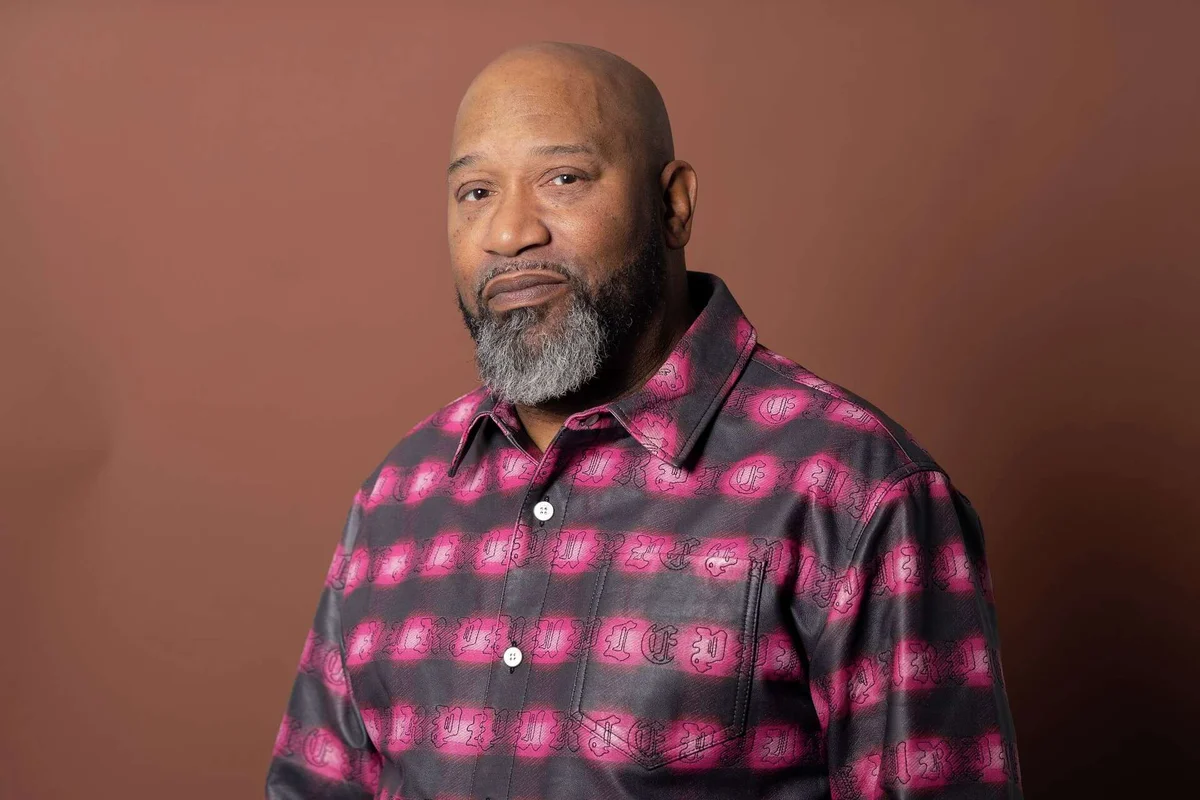
Through interviews and first-person accounts, the series sets out to reclaim the narrative. Bun B emphasizes that
“this is not Black people trying to assimilate with this country Western lifestyle. Black people across this country – East Coast to West Coast – have been prevalent in this space for years,”
Bun B, Artist. He further shares,
“Being a Black performer at this 90-plus year concert series has been amazing for me, but it’s also given me a deeper perspective of understanding the Black cowboys’ place in American history,”
Bun B, Artist. Bun B’s passion is rooted in giving audiences a clearer, more accurate context, stating,
“It’s really energized me to try to fill this void of confusion where people who are somewhat aware typically will have a distorted view,”
Bun B, Artist.
Exploring Erasure, Representation, and Historical Impact
The three-part series, directed by Jason Perez, follows the legacy of Peele’s 2022 film Nope, starring Daniel Kaluuya and Keke Palmer as siblings operating the only Black-owned horse ranch in California for Hollywood productions. The documentary investigates why Black cowboys have been largely erased from collective memory, probing who and what forces contributed to this disregard. Executive producer Keisha Senter of Monkeypaw Productions comments on the intention behind the project, saying,
“We just decided to go on this journey to really figure out, or to pose the question, what happened to the Black cowboy? Who erased the Black cowboy?”
Keisha Senter, Executive Producer. She adds,
“At Monkeypaw, we really think erasure is a horror story,”
Keisha Senter, Executive Producer.
High Horse interweaves archival material and personal narratives with images from history and the present, documenting the endurance of Black cowboy communities despite adversity and systematic exclusion. The documentary not only enriches the story of the Old West but also punctuates the resilience of African Americans in rural and urban settings alike. Research by experts such as Bruce Glasrud underscores how Black cowboys helped shape the culture and economy of the West, yet their legacy remains largely unacknowledged.
Comparisons are made to Eadweard Muybridge’s iconic motion photographs, which celebrate the racehorse Sallie Gardner but barely acknowledge the Black jockey—a microcosm of the documentary’s larger argument regarding visibility and recognition.
Addressing Systemic Barriers and Ongoing Struggles
The series directly confronts issues such as systemic racism, land dispossession, and the lingering effects of Reconstruction. It also highlights the challenges Black Americans continue to face in gaining and preserving property rights. Touching on the current political moment, the docuseries points out how recent actions, such as the elimination of diversity, equity, and inclusion programs, mass layoffs at federal agencies, and cuts to essential services like SNAP benefits, Medicare, and Medicaid, disproportionately harm Black citizens. These obstacles echo the historic struggles faced by Black cowboys seeking stability, prosperity, and respect.
In addition to Bun B, a diverse group of voices shape the narrative: Peele himself, Glynn Turman, Pam Grier, Tina Knowles, Rick Ross, and others share how cowboy life and country culture have intersected with music, film, and everyday reality for African Americans. Raphael Saadiq’s original score underlines the docuseries’ blend of history and modern energy.
Glynn Turman, who has lived on a California ranch for decades and recently received a star on the Hollywood Walk of Fame, reflects deeply on the moment:
“This is an important time in history, and I can see the writing on the wall,”
Glynn Turman, Actor. Calling the documentary “a survival tool,” Turman, Actor, emphasizes the educational power of storytelling. He adds,
“I’m from the generation where we made great strides — strides at great costs. And to see us in a time where the institutions are trying to indeed negate those strides, it’s disheartening,”
Turman, Actor. Turman’s experience playing Bradford Taylor in the 1990s sitcom A Different World connects his lifelong passion for using media to highlight untold stories within the African American experience.
Pop Culture’s Renewed Interest in Cowboy Heritage
The reclamation of cowboy culture by Black artists has grown more public and visible, moving beyond history into music, film, and viral moments. The documentary reflects on this trend, noting the influence of Beyoncé’s Cowboy Carter album and her Grammy win, Lil Nas X’s chart-topping Old Town Road, and viral dances like Boots on the Ground by 803Fresh. Hollywood has also begun to embrace the theme, with productions like The Harder They Fall and Lawmen: Bass Reeves, and the publication of Ivan McClellan’s Eight Seconds: Black Rodeo Culture.
High Horse frames these phenomena within a broader cultural shift, as Black performers and artists reclaim and celebrate elements of American history once closed or inaccessible to them. At its core, Bun B describes the motivation behind the series, saying,
“It’s not a Black story — this is an American story,”
Bun B, Artist. He continues,
“This will turn everything that you know about the American cowboy on its head in the right way, and put these things into proper historical context. And that benefits all Americans,”
Bun B, Artist.
The Larger Impact and What Lies Ahead
By placing the spotlight on Black cowboys and their enduring communities, the Jordan Peele Black cowboy docuseries challenges audiences to reconsider their understanding of the American West and the forces that shape collective memory. The documentary does not merely recount history but also addresses contemporary issues—from representation and land rights to the ongoing fight for recognition and equality in cultural spaces and politics. The voices of figures like Bun B, Glynn Turman, Keisha Senter, and other participants ensure the message is delivered with intensity and passion, affirming the documentary’s aim to reclaim and energize a critical aspect of American identity.
As High Horse: The Black Cowboy reaches viewers nationwide, it invites open dialogue about history, identity, and the continuing journey toward inclusion. The docuseries promises to inspire new conversations and perhaps motivate further research and creative projects centered on the true diversity of American heritage. Jordan Peele and his team illuminate stories that have for too long ridden in the shadows, pushing audiences to confront the uncomfortable truths of erasure and to recognize the depth that Black cowboys bring to the nation’s ongoing story.
